China Outlines Plan to End US-China Trade War
China Sets Conditions for Restarting Trade Talks with the Trump Administration
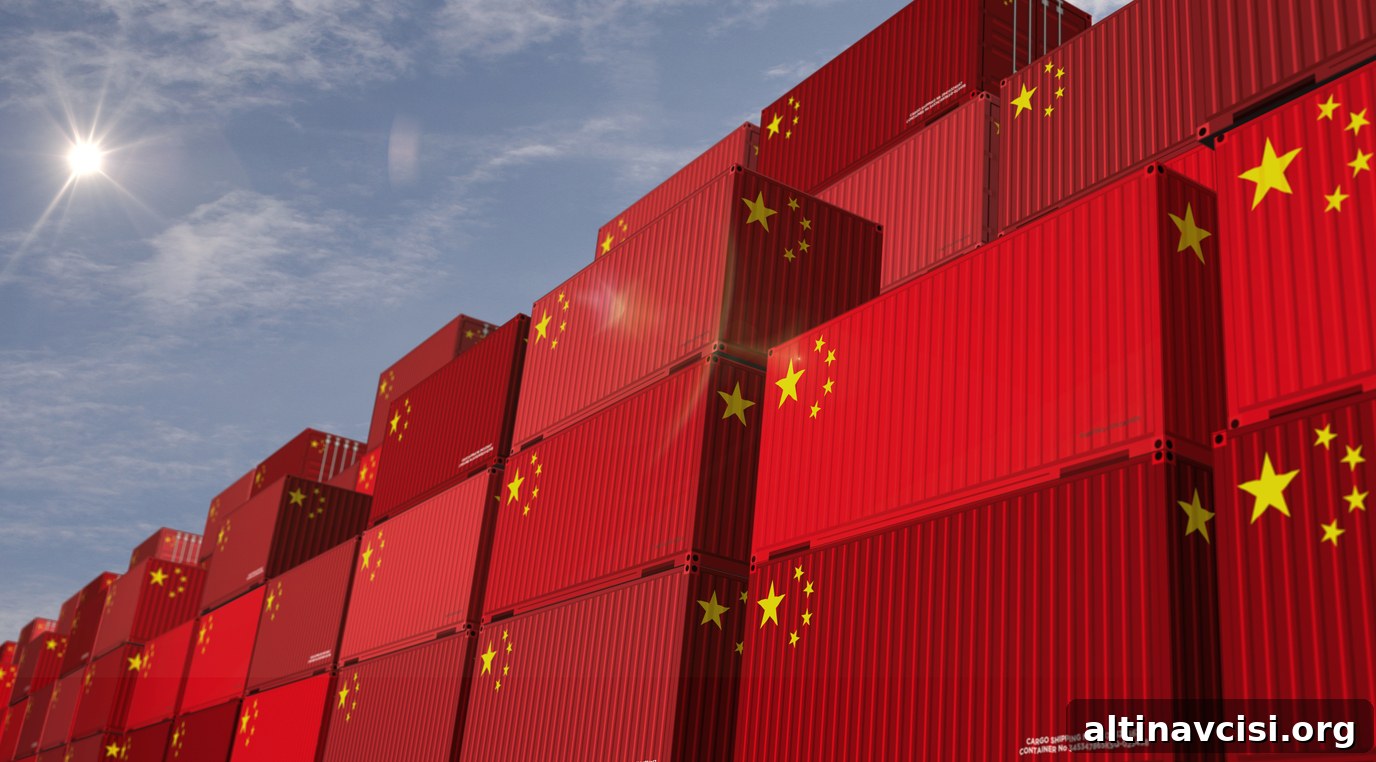
China has outlined a set of conditions for resuming trade negotiations with the Trump administration, signaling that any renewed talks will require clear changes in tone, consistency in policy, and concrete steps to address Beijing’s key concerns. These demands reflect broader tensions in the ongoing trade dispute and underscore Beijing’s desire for a predictable, respectful negotiating environment that can lead to a durable agreement signed by both leaders.
Key Conditions Beijing Wants Met
Chinese officials have specified several prerequisites for restarting formal discussions. The main points include:
- More respectful rhetoric from U.S. officials: Beijing has called for a reduction in hostile public statements and inflammatory language from American leaders and spokespeople. Officials say a calmer tone would help restore confidence and make productive negotiation possible.
- Consistency in the U.S. position: China wants stable, coherent U.S. policy signals. Frequent shifts or mixed messages complicate the process of reaching an agreement and undermine trust between negotiating teams.
- Addressing concerns over sanctions and Taiwan: Chinese demands include resolving or mitigating specific U.S. actions that Beijing views as punitive or interfering in China’s core interests, particularly in relation to sanctions policies and Taiwan-related issues.
- A designated, empowered point person: Beijing seeks a named U.S. representative who has the explicit backing of President Trump and the authority to craft a comprehensive deal. China wants this person to coordinate negotiations and prepare a compact that both President Trump and President Xi Jinping could sign.
Why These Conditions Matter
China’s list is aimed at creating the diplomatic and procedural framework necessary for high-level agreement. For Beijing, respectful language and policy consistency signal seriousness and reliability; addressing sanctions and Taiwan touches directly on matters China considers central to its sovereignty and national security. A designated point person, meanwhile, would streamline negotiations and ensure that any proposal presented to the heads of state is fully prepared and politically feasible.
Broader Context of the Trade Dispute
The trade standoff between the United States and China has had far-reaching economic and political implications. The dispute has affected trade flows, investor confidence, and manufacturing supply chains across the globe. Reports indicate that U.S. tariffs on Chinese goods have increased dramatically since President Trump took office, contributing to heightened tensions and prompting strong public support in China for measures to counter or retaliate against U.S. actions.
That public sentiment in China for retaliation reflects national concern over what many Chinese see as unfair or aggressive economic measures. For the United States, the administration has framed tariffs and trade pressure as necessary to address long-standing grievances related to intellectual property, market access, and trade imbalances. The clash of narratives makes diplomacy more difficult, which is why Beijing is emphasizing both tone and substance in its conditions for talks.
Implications for Global Economic Stability
Observers warn that prolonged friction between the two largest economies could threaten global economic stability. Disruptions to bilateral trade can ripple through international supply chains, affecting manufacturers, exporters, and consumers worldwide. Financial markets respond to uncertainty, and persistent trade conflict tends to weigh on investment and growth forecasts. Both sides therefore have an interest in finding a pathway back to negotiation that can produce measurable, enforceable outcomes.
What Comes Next
To move forward, Washington would need to respond to Beijing’s demands in a way that preserves U.S. negotiating goals while creating the diplomatic conditions China seeks. That could mean appointing a clearly authorized lead negotiator, clarifying U.S. policy positions to reduce unexpected shifts, and engaging in private diplomatic exchanges to rebuild trust. Any breakthrough would likely require careful sequencing: preliminary confidence-building steps, focused technical talks, and finally a leader-level meeting to formalize a deal.
For now, the ball remains in the political arena, where rhetoric, policy consistency, and mutual willingness to compromise will determine whether formal talks can resume and whether those talks can produce a lasting agreement beneficial to both countries and to the global economy.
Popular Topics
Picked from the archive
-
01
 Topics
Goldman Sachs Sees Gold Rally Reaching $4,500 on Tail Risk
-
02
Topics
US Launches Tariff Probe into China’s Critical Minerals Supply
-
03
Topics
Precious Metals Drop After US China Tariff Cut
-
04
Topics
Is Gold Overcrowded for Investors? Data Says No
-
05
Topics
Powell Says Tariffs Fuel Tension Between Inflation and Growth
-
06
Topics
Gold Drops 3% as U.S.-China Trade Deal Calms Markets
-
07
Topics
Foreign Treasury Selloff Threatens U.S. Borrowing Costs
-
08
Topics
Why Investors Remain Bullish Despite 60 Percent Recession Odds