
Gold’s impressive 27% rally in 2024 has unfolded with a notable anomaly: gold ETFs experienced outflows even as prices climbed, a departure from historical patterns.
Historically, major gold bull markets over the last two decades were accompanied by strong ETF inflows — roughly averaging 30 tonnes per month during the 2005–2007, 2009–2012 and 2019–2020 rallies. In contrast, the recent run-up has seen ETFs shed holdings, creating an unusual dynamic between price action and investor positioning.
State Street Global Advisors highlights this divergence as a potential catalyst. They argue that if ETF outflows that began in late 2020 reverse into even modest inflows in 2025, the sudden increase in demand could trigger a powerful price shock, pushing gold considerably higher.
“An ETF re-stocking cycle could be very bullish and help justify our case for gold to reach $3,100/oz.”
Gold isn’t the only precious metal attracting attention — silver shows signs of a potential major move as well.
Triple-Digit Silver Isn’t Just Possible — It’s Inevitable
Current indicators point to a tightening silver market: a growing supply deficit, rising industrial demand, and increased safe-haven interest are converging to create a strong bullish case.
For investors, this combination suggests that silver’s current price may not reflect its true upside potential.

On “The Gold & Silver Show,” Mike Maloney joined Alan Hibbard to explain why silver could be dramatically undervalued today. Maloney pointed to the combination of structural supply challenges, rising industrial uses, and the possibility of a flight to safety during a crisis as reasons silver could experience a significant revaluation.
“Silver is incredibly undervalued and has huge potential in front of it… and then, when you add that supply deficit to these factors, and then the potential for some sort of crisis with a rush to safe haven assets, that’s when you realize just how undervalued silver is…” — Mike Maloney
The episode offers detailed discussion on market ratios, production constraints and investment strategies that could prove relevant if silver’s market turns sharply bullish.
See Why Silver is Deeply Undervalued
Treasury Yields Jump After Strong Jobs Report
Treasury yields climbed after December’s unexpectedly strong jobs report altered expectations for Federal Reserve rate cuts. The 30-year Treasury yield rose above 5% for the first time in more than a year, and markets pushed the anticipated timing of the Fed’s first rate cut from June to September.
Since the Fed’s cutting cycle began in market expectations, yields have moved roughly 100 basis points upward, highlighting a reassessment of financial conditions and the pace of monetary easing.
Gold Shows Strength Despite Traditional Headwinds
In early 2024, gold has defied typical headwinds—rising even as the dollar strengthened and Treasury yields increased. Gold futures have traded near $2,690.80 per ounce, and the metal’s resilience points to growing concern about U.S. fiscal health.
Several analysts interpret this behavior as reflecting investor unease over U.S. debt levels and deficits, driving increased interest in gold as a reliable store of value and hedge against macroeconomic risk.
Fed Takes Conservative Stance on 2025 Rate Cuts
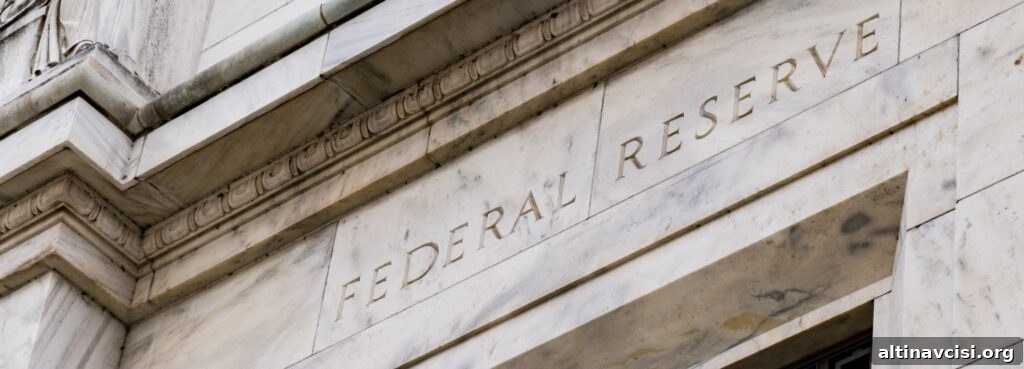
The Federal Reserve has signaled a cautious approach to rate cuts in 2025. Multiple officials have emphasized that, while rate reductions remain likely at some point next year, the Fed is not in a hurry to ease policy aggressively.
- Fed Governor Chris Waller, speaking in Paris, noted confidence in inflation’s downward trend but warned that potential tariffs on trade partners could exert upward pressure on prices. As a result, the Fed’s internal projections for 2025 rate cuts have been scaled back from four to two.
- Philadelphia Fed President Patrick Harker described the current environment as “very unsettled,” acknowledging strong economic fundamentals and improved inflation readings but stressing that inflation remains above the Fed’s 2% target and that financial stress among lower-income households is a concern.
- Boston Fed President Susan Collins and other officials, including Lisa Cook and Adriana Kugler, have similarly urged patience. Their comments emphasize the importance of balancing continued progress on inflation with the goal of maintaining a stable jobs market.
In short, 2025 is likely to feature lower rates than today, but the reduction is expected to be gradual. That prolonged uncertainty and the persistence of inflation above target levels help explain why many investors are adding precious metals to portfolios as a hedge against volatility and macro risk.
If you’re weighing the addition of precious metals to your investment strategy, consider consulting with knowledgeable advisors to align any purchases with your long-term goals and risk tolerance. Opening an account to buy physical metals or allocate to related products can typically be done quickly if you’re ready to proceed.
Log In Now to Buy Precious Metals
Supporting your path to financial security,
Brandon S.
Editor
GoldSilver