
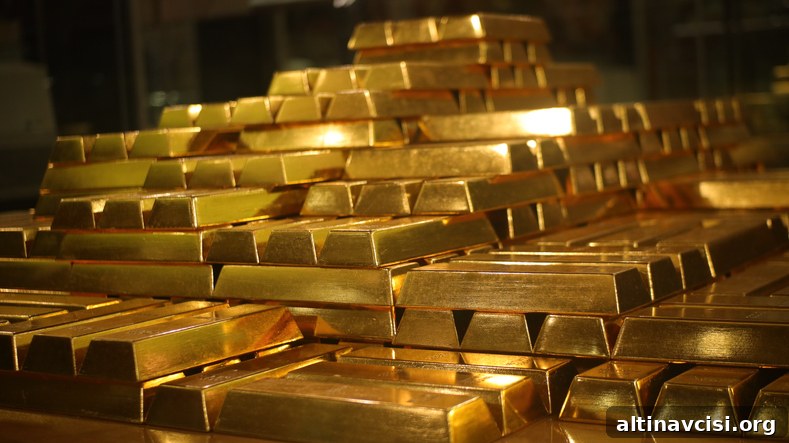
Gold prices climbed above $3,305 per ounce as a softer U.S. dollar and worries about the country’s expanding fiscal deficit and political stalemate over tax cuts encouraged demand for the metal.
Investors increasingly view gold as a defensive asset amid rising concerns about the U.S. fiscal outlook. With budget deficits widening and lawmakers struggling to reach agreement on tax policy, market participants are seeking safe-haven holdings to protect capital against policy uncertainty and potential financial volatility.
The retreat in the dollar has also helped lift gold’s appeal for international buyers. A weaker dollar lowers the local-currency cost of gold for holders of other currencies, boosting physical and investment demand and providing additional support to prices.
Other factors contributing to gold’s strength include persistent inflationary pressures and cautious central bank messaging. While interest-rate expectations remain a key driver of bullion prices, the combination of slower growth projections, elevated government borrowing, and political gridlock has pushed some investors toward metals as portfolio hedges.
Looking ahead, gold’s direction will depend on developments in fiscal policy, shifts in the dollar’s trajectory, and changes in global growth and inflation expectations. Should budget concerns deepen or negotiations over tax measures remain stalled, demand for safe-haven assets like gold may persist, keeping prices supported.
In the shorter term, traders will likely focus on incoming economic data, central bank commentary, and any signs of progress or further deadlock in Washington. These factors will determine whether the current rally sustains, moderates, or reverses as markets reassess risk and return across asset classes.