Gold and silver market update — April 29, 2026
In today’s update: Why is gold falling while inflation rises? With Brent crude near $114, the Fed paused at 3.50–3.75%, and Kevin Warsh one Senate vote from the chair, traditional relationships are strained — and Thursday’s GDP and PCE releases could shift the outlook.
What Does Kevin Warsh as Fed Chair Mean for Gold?
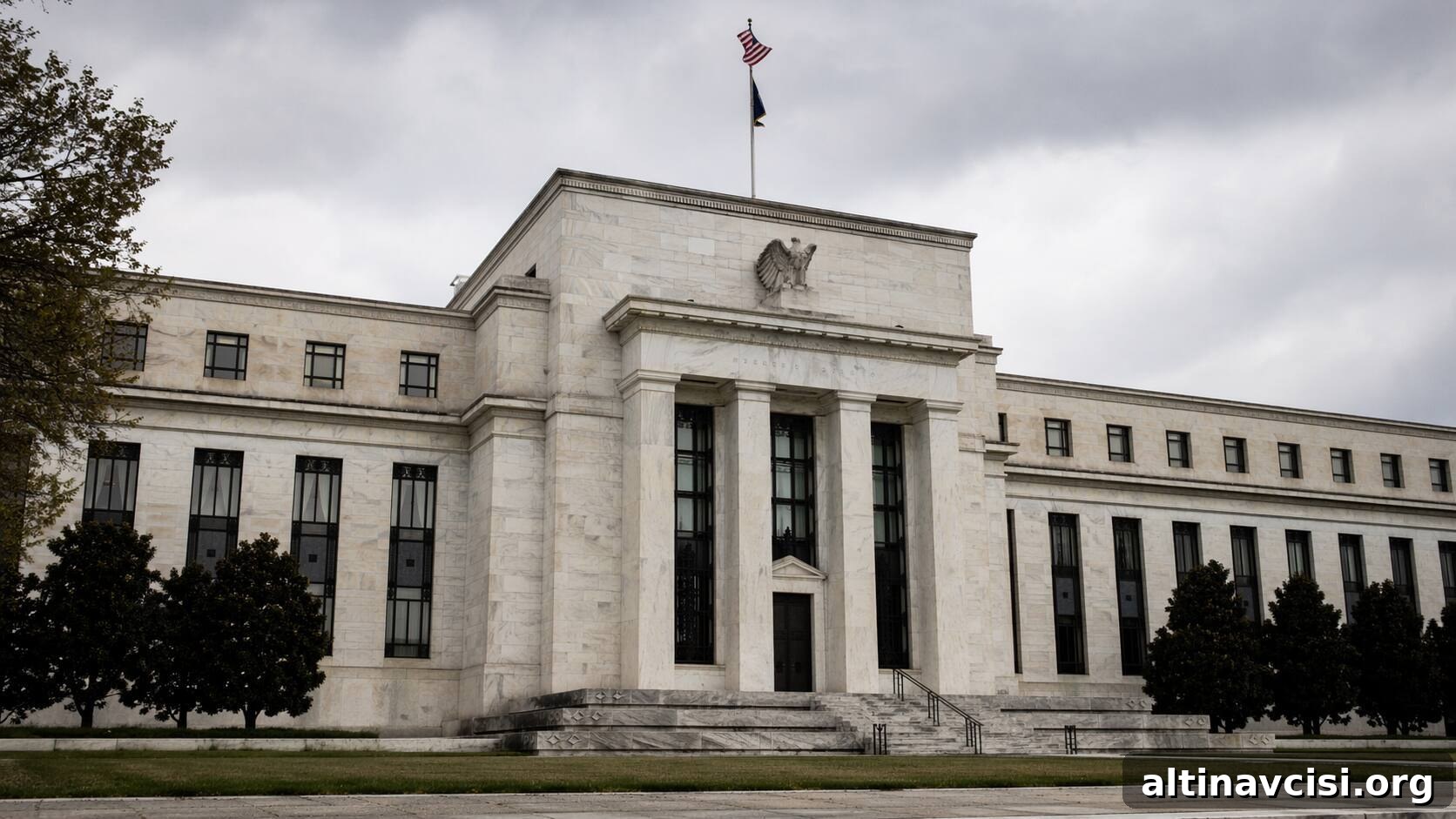
On April 29, 2026 the Senate Banking Committee advanced Kevin Warsh’s nomination to be Fed chair by a 13–11 party-line vote. With Jerome Powell’s term ending May 15, a transition is expected before the June 16–17 FOMC meeting.
For precious metals, the important issue is policy direction rather than the person. Warsh has advocated a “regime change” at the Fed: a smaller balance sheet, an end to formal forward guidance, and elimination of the dot plot. Those shifts would reduce the Fed’s transparency about future rate paths.
Reduced predictability tends to push some capital into physical stores of value. When markets can’t reliably forecast central-bank moves, investors often reweight into gold and silver as hedges against policy uncertainty.
The Edge Every Investor Needs
Smarter precious metals investing starts here. The Nuggets Newsletter brings concise market insight, Fed updates, global developments, and educational resources.
Why Is Gold Falling When Inflation Is Rising?
On April 29, 2026 gold slid below $4,600 per ounce, reaching a one-month low after a nearly 2% drop the previous session. Silver fell to $72.81 per ounce after a more than 3% decline earlier in the week.
The drivers are straightforward: a sharp rise in oil lifts inflation expectations. If markets expect elevated inflation, the Fed is likely to keep policy rates higher for longer. Higher nominal rates combined with still-elevated inflation can raise real yields — the inflation-adjusted return on Treasury securities. Higher real yields increase the attractiveness of interest-bearing assets relative to non-yielding gold, pressuring bullion prices. That same dynamic sent gold more than 10% lower in March 2026, its weakest monthly performance since June 2013.
Inflation that the Fed appears unable to fight is not automatically bullish for gold. Gold benefits when markets believe the Fed will be forced to fall behind the inflation curve — when real policy loosening becomes likely. Key macro releases in the coming days could be the signal investors need to reprice that risk.
What Do Thursday’s GDP and PCE Numbers Mean for Gold?
At 8:30am ET on Thursday, April 30 the Bureau of Economic Analysis will publish Q1 2026 GDP and March’s personal consumption expenditures (PCE) data, the Fed’s preferred inflation measure.
Consensus estimates projected roughly 1.8% annualized GDP growth and a core PCE near 3.1% year-over-year. The Atlanta Fed’s GDPNow model was tracking weaker growth, pointing to downside risk. If GDP prints near or below expectations while core PCE remains elevated, the Fed faces a classic policy dilemma: growth slowing at the same time inflation stays above target.
That combination constrains the Fed’s ability to cut rates without risking renewed inflation, or to hike without deepening a slowdown. If the market concludes that constraint will push real yields lower over time, gold’s appeal as a hedge against policy and inflation uncertainty strengthens.
Why Is Oil at $114 and Gold Still Falling?
Brent crude traded near $114 per barrel on April 29, 2026, marking multi-year highs after consecutive sessions of gains. Supply disruptions in the Middle East, including closures affecting the Strait of Hormuz, have been cited as a major shock to global flows.
Normally, a large oil shock helps support gold because higher energy prices can stoke inflation and economic uncertainty. In the current environment, however, oil-driven inflation expectations are keeping rate expectations elevated. That pushes real yields up and creates a headwind for gold. This is a rate-driven pressure rather than a structural change in gold’s long-term fundamentals; falling real yields would likely reverse the current downward pressure.
What Did the Fed Actually Say Today That Matters for Gold?
On April 29, 2026 the Federal Reserve left its target range unchanged at 3.50%–3.75% — the third pause this year. Markets were fully priced for a hold heading into the decision.
The Language Is What Matters
The policy statement reiterated the March language describing inflation as “somewhat elevated,” maintained that uncertainty is elevated, and explicitly cited Middle East developments as a risk to the outlook. Crucially, it contained no signal pointing toward imminent rate cuts. As long as inflation remains above target and the Fed shows reluctance to ease policy, real yields are likely to stay relatively elevated — a condition that favors interest-bearing assets over non-yielding gold.
Each month the Fed remains on hold while inflation is elevated strengthens the case for owning physical gold as protection against policy uncertainty and potential future monetary surprises.
Stay On Top of Gold & Silver Prices
Get important market alerts sent straight to your inbox.
SOURCES
1. CNBC — Trump Fed Pick Kevin Warsh Clears Key Senate Hurdle
2. CBS News — Senate Banking Committee Votes to Advance Kevin Warsh’s Nomination
3. Federal Reserve — FOMC Meeting Calendars and Information
4. American Action Forum — Tracker: The Federal Reserve’s Balance Sheet Assets
5. CNBC — Warsh Emerges From Difficult Hearing With His Fed ‘Regime-Change’ Plan Intact
6. Trading Economics — Gold Price, Chart and Historical Data
7. Trading Economics — Silver Price, Chart and Historical Data
8. CNBC — Gold on Track for Worst Month Since 2008 as Iran War Drags On
9. Bureau of Economic Analysis — Gross Domestic Product
10. Investing.com — PCE Inflation and Q1 GDP: Determining the Fed’s Next Move
11. Federal Reserve Bank of Atlanta — GDPNow Forecast Model
12. Fortune — Current Price of Oil as of April 29, 2026
13. Trading Economics — Brent Crude Oil Price, Chart and Historical Data
14. CBS News — Will the Fed Cut Interest Rates? What to Expect at Wednesday’s Meeting
15. Kiplinger — April Fed Meeting: Live Updates and Commentary
16. Federal Reserve — FOMC Statement, March 18, 2026
Disclaimer: This article is for informational purposes only and does not constitute financial or investment advice. Always consult a qualified financial adviser before making investment decisions.
You May Also Like:
- Why Turkey Sold Its Gold Reserves — And What It Proves About Sound Money
- Why Gold Spikes Every Time Hormuz Opens — And Why It Never Holds
- Oil Hits $100 and OPEC Is Fracturing. Gold Knows Why
- How China Restricts Silver Supply Without Touching Silver
- Powell Press Conference: What It Means for Gold
- Iran Blinked — And One Word From Powell Decides What Happens Next
- COMEX Silver First Notice Day April 30: What to Watch
- What Warsh as Fed Chair Means for the Gold Price