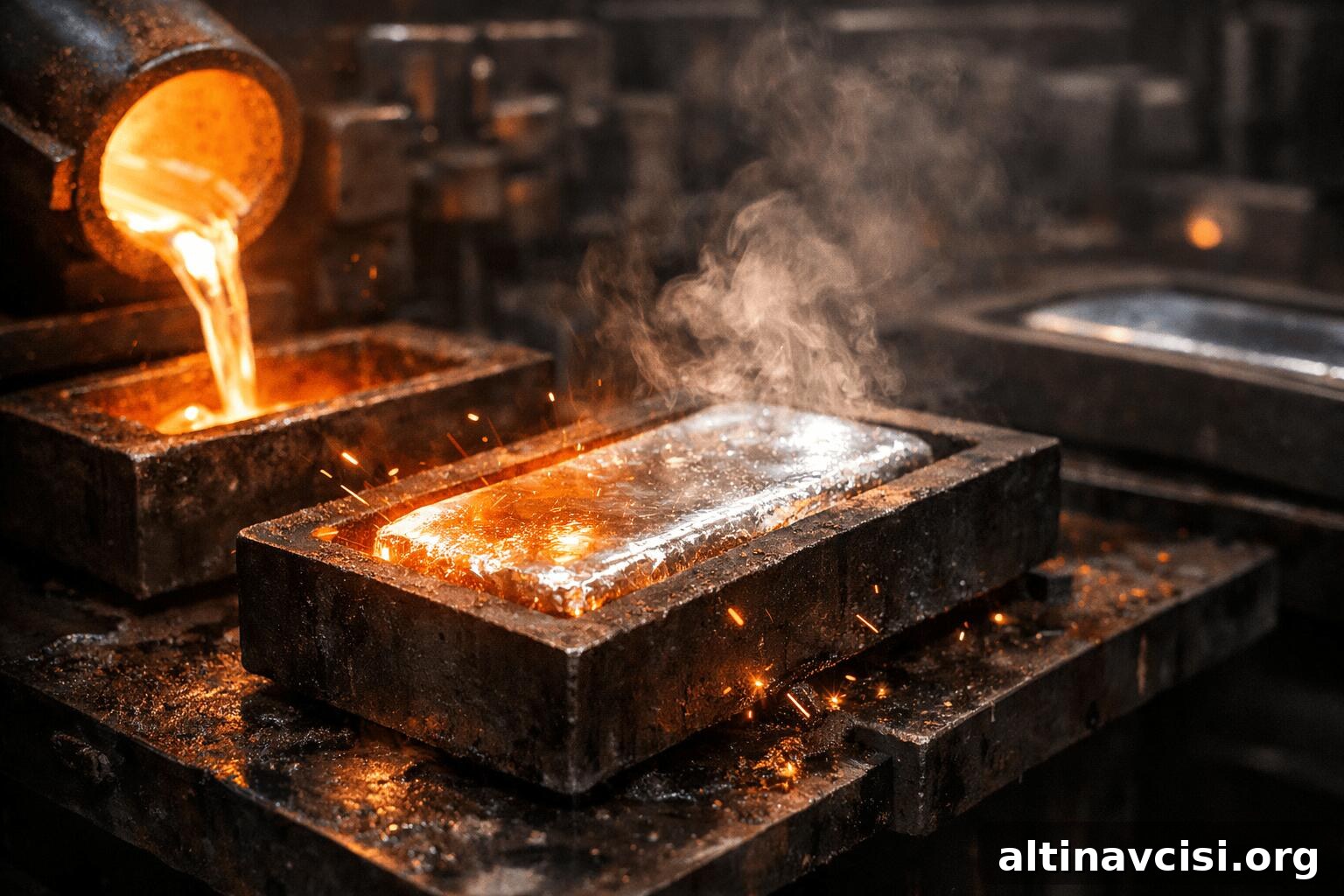
If you’ve shopped for physical silver, you may have noticed a puzzling gap: the quoted spot price can look reasonable, yet the price you pay or receive when selling is often quite different. Knowing the components of silver pricing is essential for investors, especially now when bid/ask spreads in the physical market have widened.
This article explains the basics—spot price, premiums, and dealer markup—then explores why bid/ask spreads are wider in physical silver right now and what that tells us about the market.
The Three Core Components of Silver Pricing
To understand wider spreads, start with how physical silver is priced.
1. Spot Price: The Paper Benchmark
The spot price of silver is the global reference often quoted in financial media. It’s discovered primarily through futures markets—large, liquid exchanges where silver contracts trade electronically.
Spot prices are useful for gauging investor sentiment and macro trends, but they represent paper silver, not the bars and coins that move through the physical supply chain.

Get Expert Insights from Alan Hibbard
Learn from Alan Hibbard, a trusted voice in precious metals delivering clear, actionable analysis on gold, silver and the global economy.
2. Premium: The Cost of Making Silver Physical
The premium is the amount added to spot to cover:
- Minting and fabrication
- Refining and assaying
- Transportation and insurance
- Wholesale and retail distribution
Coins and small bars usually carry higher premiums than large bars because they require more labor and processing.
3. Dealer Markup: Staying in Business
Dealer markup covers operating costs and risk, such as:
- Inventory financing
- Storage and security
- Price volatility while holding metal
- Compliance, staffing, and logistics
Markup isn’t arbitrary—it reflects the real cost of operating in the physical precious metals market.
Why Are Bid/Ask Spreads Wider in Physical Silver Right Now?
Short answer: silver hasn’t become weaker—it’s simply more expensive to convert into cash.
Key factors behind wider spreads include the following.
Physical Silver Is Not Instantly Liquid
Unlike stocks or ETFs, physical silver doesn’t trade instantly. When a dealer buys physical silver back, the metal must be:
- Shipped
- Verified and assayed
- Melted
- Refined
Refining capacity is tight today, which slows the process and delays monetization. For example, a dealer buying a 100-oz bar may wait weeks for shipment, assaying, melting and refining—during which they carry substantial inventory costs and financing risk.
What this means: bids reflect longer timelines and higher process costs, not weaker demand.
Dealers Are Carrying Inventory Longer
Because processing takes longer, dealers may hold metal for weeks or months. During that time they absorb price risk, storage and insurance costs, and financing expenses.
What this means: bid prices adjust upward to account for longer holding periods and higher carrying costs.
Higher Silver Prices Increase Carry Costs
Silver is priced higher than in prior years, so each bar or coin ties up more capital. With elevated interest rates, the cost to finance inventory has risen substantially.
What this means: today’s spreads reflect both current silver prices and the prevailing interest-rate environment.
Refiners Face Tighter Credit Conditions
Refiners often rely on short-term credit to process metal. When credit is tighter and more expensive, refiners bid less aggressively for melt material, which slows the upstream flow of physical metal.
What this means: wider spreads are driven by credit and logistics constraints rather than a collapse in silver demand.
Paper Prices and Physical Prices Can Diverge
Spot prices trade electronically in milliseconds, while physical silver moves at the speed of trucks, refineries and wire transfers. When these two markets disconnect, bid/ask spreads widen.
What this means: physical pricing reflects real-world constraints—storage, transport, processing and financing—rather than paper-market liquidity.
The Key Takeaway for Investors
A wider bid/ask spread does not mean silver is broken. It means:
- The price of silver is strong
- The cost of converting silver back into cash is higher
- The market is stressed, not dysfunctional
A wide spread is better than no bid at all. Physical silver operates on the timeline of logistics and refiners, not algorithms. When prices rise, credit tightens, and bottlenecks appear, spreads naturally expand.
For long-term investors, separating spot, premiums, and dealer markup helps distinguish short-term friction from long-term value: silver didn’t get weaker; it became more expensive to carry, finance, and move.
Stay On Top of Gold & Silver Prices
Get important market alerts sent straight to your inbox.
People Also Ask
Why are silver prices higher than the spot price?
Physical silver prices include premiums for minting, refining, transportation and distribution, plus dealer markup for operating costs and risk. The spot price reflects paper trading and does not include these real-world costs.
What is the difference between silver spot price and physical silver prices?
Spot price comes from futures markets and reflects paper silver. Physical prices add premiums and dealer costs tied to manufacturing, logistics and financing, which is why they typically trade above spot.
Why are silver bid/ask spreads so wide right now?
Spreads are wider because converting physical silver back into cash takes longer and costs more. Refining delays, higher interest rates and tighter credit increase carry and financing costs; these are operational issues, not a sign of weak demand.
Does a wider bid/ask spread mean silver demand is falling?
No. Wider spreads point to market stress and higher transaction costs; they do not necessarily indicate falling demand. Silver prices can remain strong while spreads expand due to logistics and credit constraints.
Will silver premiums and spreads come back down?
They can narrow if refining capacity increases, interest rates fall, and credit conditions ease. Premiums and spreads historically fluctuate with market conditions, which is why long-term investors focus on fundamentals rather than short-term friction.
You May Also Like:
- Silver Price Forecasts Revisited: Why Wall Street Got It Wrong
- Gold’s Purchasing Power: What One Ounce Buys Over Time
- Foreign Investors Are Selling U.S. Debt — Here’s Why Gold Is Surging
- Why Metals Dominated Every Asset Class in 2025 [and What It Means for 2026]
- Why New CME Trading Rules Could Push Silver to $100
- Best Investment Of 2026: Silver’s Setup Is Hard To Ignore