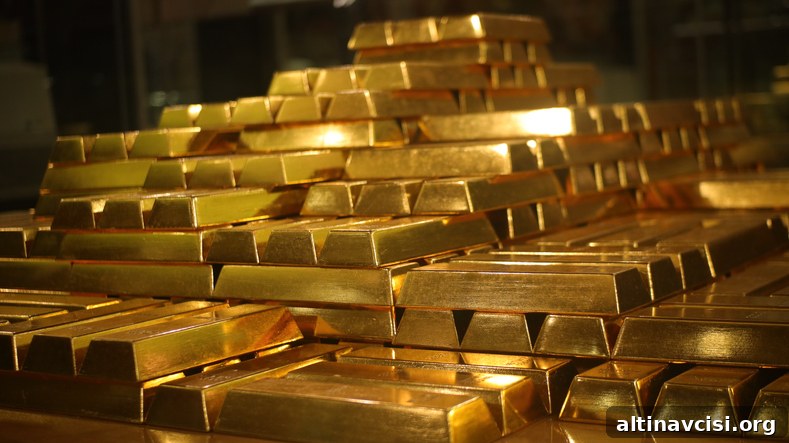
In a significant policy shift, Serbia’s National Bank has decided to keep all of the country’s gold reserves within its own borders rather than storing them in traditional international bullion centers such as Switzerland, the United Kingdom or the United States.
Since 2019, Serbia acquired 17 tonnes of gold on international markets and purchased another 19 tonnes from the local unit of Zijin Mining, bringing the nation’s total reserves to 50.5 tonnes, with an estimated value near $6 billion. The move to repatriate gold began in 2021 as geopolitical tensions rose—most notably after Russia’s reserves were frozen in 2022—highlighting the political risks associated with holding strategic assets overseas.
Storing gold domestically strengthens Serbia’s control over a critical financial asset and reduces exposure to foreign political or legal actions that could restrict access in times of crisis. At the same time, the National Bank recognizes that keeping bullion in major international hubs can make transactions such as lending or selling the metal more straightforward and faster than domestic custody.
Governor Jorgovanka Tabakovic has indicated that the final five tonnes still held in Switzerland will be returned “as soon as possible,” completing the transfer of Serbia’s reserves to domestic vaults. The decision illustrates a broader trend among some countries to reassess where strategic reserves are stored in light of shifting geopolitical dynamics.
By centralizing its gold holdings at home, Serbia aims to enhance financial sovereignty and crisis resilience while weighing trade-offs related to liquidity and market access that international storage traditionally provides. The National Bank’s approach balances these priorities by retaining physical control of reserves without ruling out future operational arrangements that could facilitate market operations when necessary.