UBS Predicts Gold Could Top $6,000 – Is Now the Time to Buy?

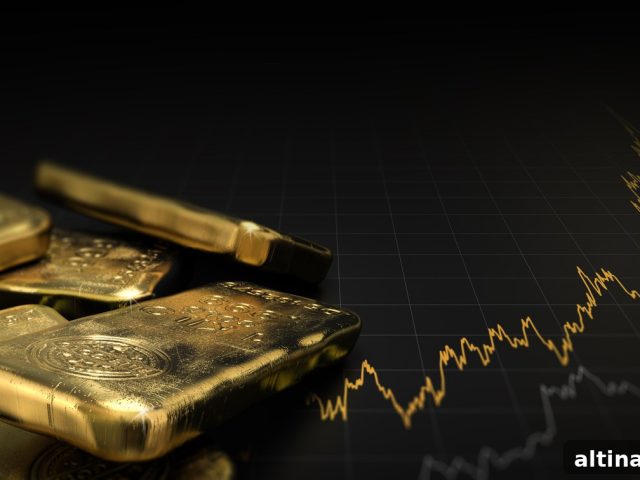
Gold surged about 65% in 2025 — its strongest annual gain in decades. After a pullback to roughly $4,400 per ounce, many investors are asking: is the rally over or is this a buying opportunity?
UBS, one of the world’s leading financial institutions, argues it’s an opportunity. The bank has set a mid-2026 gold price target of $6,200 per ounce and expects a modest decline to $5,900 by the end of 2026, implying about 34–41% upside from current levels. In a severe geopolitical escalation scenario, UBS sees a possible peak around $7,200 per ounce.
So, should you buy now, wait, or hold what you already own?
What Is UBS’s Gold Price Target for 2026?
UBS projects gold at $6,200 per ounce through the March–September 2026 period, easing to $5,900 by year-end. That outlook rests on three structural pillars:
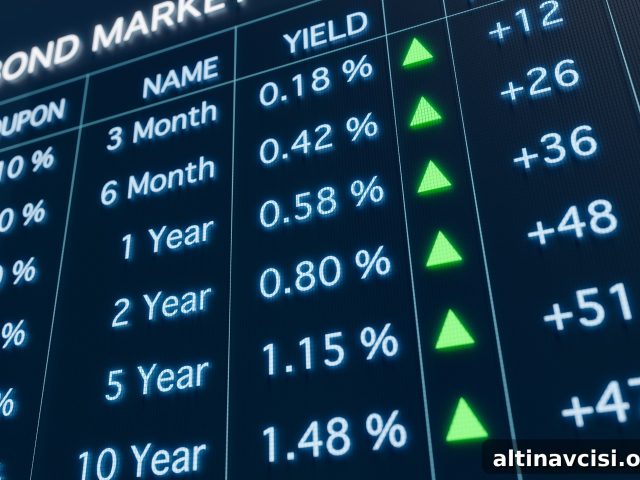
Federal Reserve rate cuts — UBS expects two 25-basis-point cuts by September 2026. Lower real rates reduce the opportunity cost of holding gold versus bonds or cash.
Sustained central bank buying — Global central banks are projected to acquire around 950 metric tons of gold in 2026. Moves such as Poland raising its reserve target reflect durable institutional demand.
Record investment demand — Exchange-traded funds and other investment vehicles have pushed global holdings to record levels (4,171 tonnes in February 2026), supporting price momentum even after recent consolidation.
UBS’s upside case — up to $7,200 — assumes sharp geopolitical escalation. Its downside scenario of $4,600 would require a materially more hawkish Fed or a sudden shift in investor sentiment; UBS treats that as a tail risk rather than the base case.
What Happened in 1971?
The guide explaining the moment our financial system changed.
Download the free guide to understand how shifts in monetary policy and reserve settings changed the global financial landscape. (No signup embedded here.)
What’s Driving Gold Right Now?
1. The Federal Reserve Is Under Pressure to Cut Rates
The Fed faces a delicate balancing act: inflation remains a concern, but rising national debt and economic considerations increase the political and economic cost of aggressive tightening. UBS expects easing rather than further tightening. Lower real rates make gold relatively more attractive compared with bonds and cash.
2. Central Banks Are Buying Gold Systematically
Many emerging-market central banks are diversifying away from the dollar by adding gold to reserves. This institutional demand is structural and tends to persist through short-term price swings. Physical demand in China has stayed resilient despite high prices, and recent moves by countries to raise reserve targets suggest broad, steady appetite for metal.
3. Geopolitical Risk Keeps Capital Flowing Into Safe Havens
Ongoing conflicts and political instability provide near-term support for gold as a safe haven. Beyond immediate flows, UBS highlights a longer-term channel: geopolitical stress tends to lead to higher deficits, rising debt and currency debasement, environments in which gold typically benefits.
4. Gold Has Pulled Back — And That’s Happened Before
After earlier highs above $5,000 this year, gold corrected to around $4,400. UBS interprets that consolidation as a typical reset within a broader bull market — a pattern that has preceded major upward moves historically. The bank believes the core structural drivers remain intact.
What Does a $6,000 Gold Price Forecast Mean for Investors?
UBS’s target is more than a price label; it reflects institutional conviction across multiple themes: expected monetary easing, persistent central bank purchases, currency risk and fiscal strain. Institutional flows amplify price trends, and continued ETF accumulation has already pushed holdings to record levels.
For investors, a UBS year-end target near $5,900–$6,200 from roughly $4,400 implies substantial upside potential. That is the base case from a large global wealth manager, not a fringe estimate.
What Should You Actually Do Now?
Step 1: Assess Your Current Allocation
If gold makes up less than 5% of your portfolio, you may be underweight relative to the risk environment UBS describes. Many advisors recommend holding 5%–15% in precious metals depending on risk tolerance:
- Conservative investors: 8–10% in gold and 2–3% in silver
- Moderate investors: 5–8% in gold and 3–5% in silver
- Aggressive investors: 3–5% in gold with higher allocations to silver (7–10%) and potential platinum exposure
Step 2: Don’t Wait for a Perfect Entry Price
Attempting to time a single perfect entry is risky. Gold’s recent correction from above $5,000 to about $4,400 can be viewed as a reset rather than a signal to exit. A dollar-cost averaging strategy — building a position with regular purchases over time — reduces timing risk and helps capture upside while smoothing volatility.
Step 3: Choose the Right Way to Own Gold
Ownership method matters. Main options include:
- Physical gold (coins and bars): direct ownership without counterparty exposure, but requires secure storage.
- Gold ETFs: liquid, lower-cost exposure to price moves; you do not directly hold the metal.
- Mining stocks: leveraged exposure to gold prices plus company-specific risk and operational factors.
- Gold IRAs: tax-advantaged retirement accounts holding physical metals in approved depositories.
Each approach has different costs, liquidity and risk profiles. Physical gold removes counterparty risk and can serve as a long-term store of value, but storage and insurance add expense.
Step 4: Consider Silver as a Complement
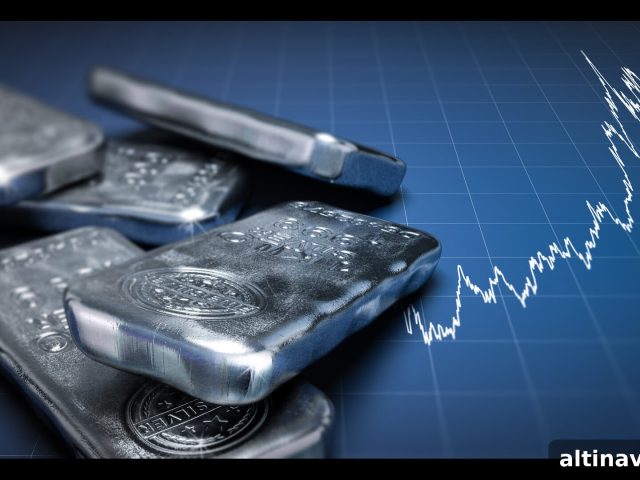
Silver can amplify gains in a precious-metals rally. It serves both monetary and industrial roles — from electronics to solar panels — which can expand upside if demand rebounds. Historically, silver has sometimes outperformed gold during strong precious-metal cycles, so a measured allocation to silver can complement a gold position.
Step 5: Know the Risks Before You Buy
UBS’s outlook is plausible but not guaranteed. Key risks include:
- A more hawkish Federal Reserve than markets expect
- A rapid strengthening of the U.S. dollar
- A swift resolution of geopolitical conflicts that reduces safe-haven demand
- Significant profit-taking by large investors after gold’s strong 2025 performance
UBS’s downside case of $4,600 sits close to recent trading levels, which both limits and highlights potential downside. Treat gold as one component of a diversified portfolio rather than a single-theme bet.
Should You Buy Gold Now? The Bottom Line
UBS’s $5,900–$6,200 year-end target is grounded in a convergence of structural forces: falling real interest rates, steady central bank buying, high investment demand and fiscal pressures across major economies. ETF holdings remain near record highs, reinforcing demand.
Gold’s pullback has reset prices closer to UBS’s downside scenario, making current entry points more attractive for many investors. Practical steps: review your allocation, consider dollar-cost averaging, choose the ownership vehicle that fits your needs, and add a measured silver allocation for diversification and additional upside potential.
At roughly $4,400 per ounce, the question is not whether gold belongs in a portfolio, but whether your position reflects the actual macro and geopolitical environment.
Stay On Top of Gold & Silver Prices
Get important market alerts sent straight to your inbox.
Price widget removed for this HTML copy.
Sign-up form removed in this version. Subscribe via your preferred channel for alerts.
People Also Ask
UBS forecasts gold will reach $5,900–$6,200 per ounce by the end of 2026, which represents roughly 34–41% upside from current levels near $4,400. In an extreme geopolitical scenario the bank sees a possible peak near $7,200. The downside case is $4,600 if the Fed turns more hawkish.
UBS cites three core drivers: expected Federal Reserve rate cuts totaling about 50 basis points by September 2026, sustained central bank purchases (around 950 metric tons), and strong ETF investment demand—global holdings reached 4,171 tonnes in February 2026. A weakening U.S. dollar and rising fiscal deficits add structural support.
Waiting for a perfect entry often results in missed opportunities. UBS notes the current consolidation mirrors patterns that preceded past breakouts. A dollar-cost averaging approach—making smaller, regular purchases over time—is a practical alternative to market timing.
Guidance typically suggests allocating 5%–15% of a portfolio to precious metals depending on risk tolerance. Conservative allocations might target 8–10% in gold and 2–3% in silver; moderate investors around 5–8% in gold and 3–5% in silver; aggressive investors might increase silver exposure for added upside.
Key risks include a more hawkish Federal Reserve than markets anticipate, a strong U.S. dollar, rapid de-escalation of geopolitical tensions that reduces safe-haven demand, or heavy profit-taking after a large rally. UBS’s own downside case of $4,600 underscores that downside is possible; diversify rather than rely on a single thesis.
Disclaimer: This article is for informational purposes only and does not constitute financial or investment advice. Past performance is not indicative of future results. Consult a qualified financial advisor before making any investment decisions.
You May Also Like:
- Gold and Silver Mining Stocks: What Most Investors Miss
- Is There a Silver Shortage in 2026? The Data Is Alarming
- The Seven Stages of Empire: Why Every Great Currency Eventually Collapses
- When Should You Sell Gold and Silver? (And What to Buy Next)
- Could the US Revalue Its Gold Reserves to Pay Down Debt?
- How Gold Performs in Recessions: What History Tells Us
Popular Topics
Picked from the archive
-
01
 Topics
Crude Oil Drops Below $68 After Peace Deal, OPEC+ Boost
-
02
Topics
Dollar Index Breaks 200-Day Average and Sparks Silver Rally
-
03
Topics
Gold Rises 0.3% as Dollar Weakens Amid Tax and Trade Uncertainty
-
04
Topics
Treasury Yields Jump After May Inflation Tops Estimates at 2.7%
-
05
Topics
Gold Prices Stall Ahead of Ukraine Peace Talks and Fed Signals
-
06
Topics
Newmont Beats Earnings Estimates After 40% Gold Rally
-
07
Topics
Powell: Fed Dollar Swap Lines to Stay Amid Political Uncertainty
-
08
Topics
Gold Purchasing Power: What an Ounce Could Buy Over Time