U.S. Eyes Pakistan’s $6T Mineral Wealth in Economic Partnership
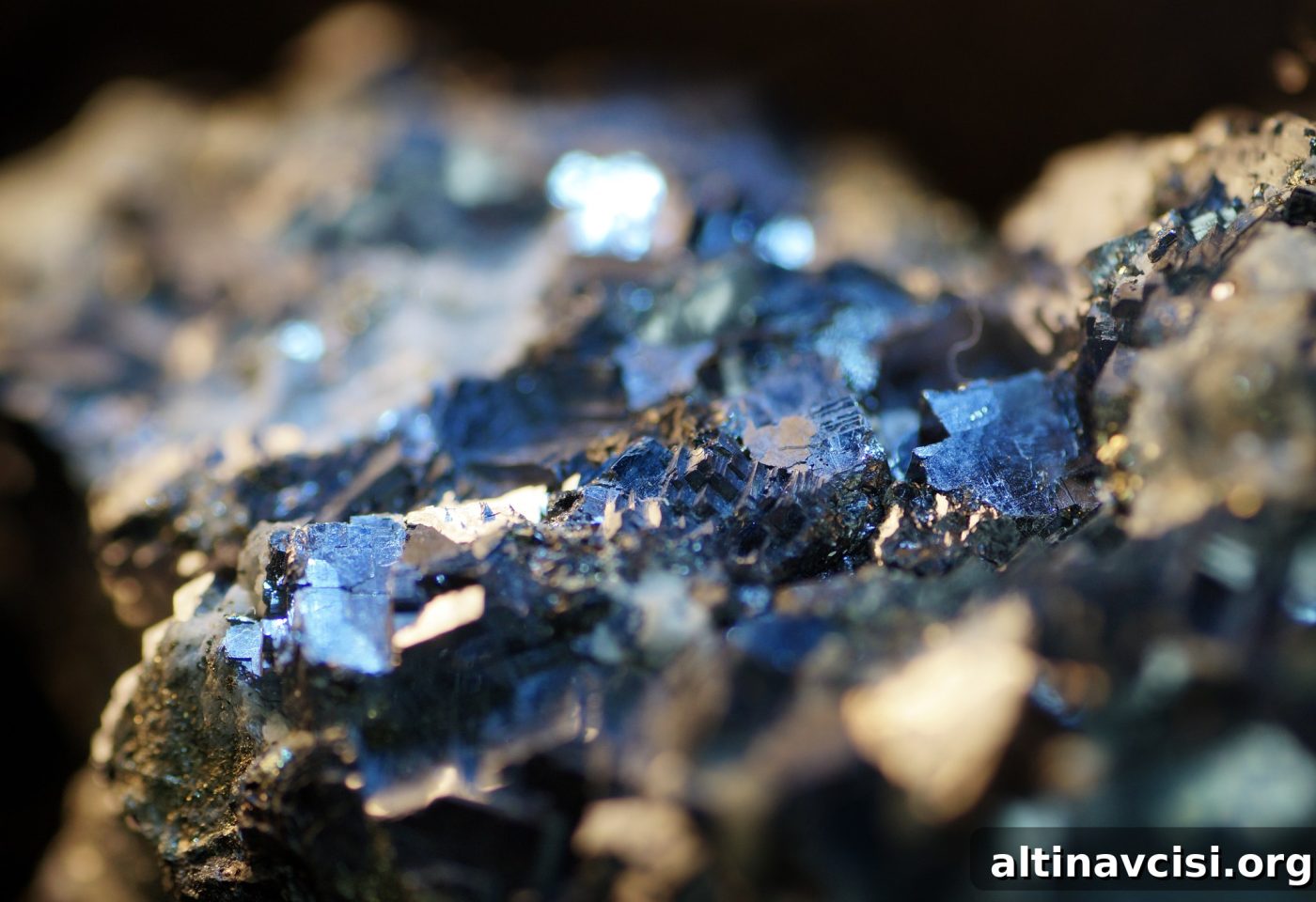
United States and Pakistan Explore Cooperation in Critical Minerals and Hydrocarbons
The United States has announced plans to explore new avenues of economic cooperation with Pakistan in the sectors of critical minerals and hydrocarbons. The announcement was made in a statement marking Pakistan’s Independence Day; the statement highlighted an interest in strengthening bilateral economic ties through partnerships that focus on energy resources and mining development.
U.S. officials signaled that enhanced collaboration could create opportunities for investment, technology transfer, and joint ventures in resource-rich regions of Pakistan. Critical minerals—such as those used in batteries, electronics, and renewable energy technologies—are increasingly important for global supply chains, and the United States views secure and diversified sources as a strategic priority. Hydrocarbon cooperation could encompass exploration, production, and responsible development of oil and natural gas reserves.
Investment Opportunities in Balochistan and Reko Diq
Pakistan’s Commerce Minister has actively invited U.S. businesses to consider mining investment opportunities, particularly in Balochistan province. Balochistan is home to large mineral deposits, including the well-known Reko Diq site, a major gold and copper resource that has attracted international attention. The Reko Diq project has been linked with major mining companies such as Barrick Gold, and officials describe it as a potential focal point for increased foreign investment in Pakistan’s mineral sector.
Officials and business representatives on both sides emphasize that transparent regulations, clear contractual terms, and strong environmental and community safeguards will be crucial to attract and sustain long-term investment in mining projects. Potential investors are likely to look for stable policy frameworks, predictable permitting processes, and assurances that projects will meet international standards for social and environmental responsibility.
Trade Deal and Economic Context
This push for cooperation follows a recent trade agreement between the United States and Pakistan that aims to reduce tariffs and create a more favorable climate for bilateral trade and investment. Although details of the trade measures vary by sector, the general expectation is that lower trade barriers will encourage greater commercial ties, stimulate private investment, and support job creation in both countries.
Reducing tariffs and improving market access can make investments in Pakistan’s mining and hydrocarbon sectors more attractive to U.S. companies by improving cost competitiveness and strengthening supply-chain linkages. The trade deal also sets the stage for dialogue on regulatory cooperation, standards, and capacity building to help Pakistani industries meet international market requirements.
Potential Benefits and Considerations
Closer cooperation in critical minerals and hydrocarbons could yield several benefits: diversification of supply sources for strategic minerals, expanded foreign direct investment into Pakistan, technology sharing, and development of local skills and infrastructure. For Pakistan, responsible resource development can generate revenue, create jobs, and support industrial growth. For U.S. businesses, access to new mineral and energy assets can support manufacturing and energy security objectives.
At the same time, successful cooperation will depend on addressing practical considerations. These include ensuring community engagement, environmental protection, transparent licensing processes, and clear dispute-resolution mechanisms. Security, infrastructure needs, and capacity constraints must also be addressed to enable large-scale projects to proceed smoothly and sustainably.
Next Steps and Outlook
For now, both governments appear committed to further discussions and exploratory work to define the scope of cooperation. Stakeholders from government, industry, and civil society will likely participate in consultations to identify priority projects, investment terms, and safeguards. The combination of a trade deal, targeted investment invitations, and official statements of interest suggests a growing momentum toward deeper U.S.-Pakistan economic engagement in critical minerals and hydrocarbons.
As these discussions progress, observers will be watching for concrete agreements, pilot projects, and private-sector commitments that translate announcements into tangible investments. If implemented thoughtfully, cooperation in these sectors could contribute to broader economic ties between the United States and Pakistan while supporting global supply chain resilience for critical minerals and energy resources.
Popular Topics
Picked from the archive
-
01
 Topics
Why Ground Beef Prices Are Soaring as Cattle Supply Shrinks
-
02
Topics
Gold Falls to One-Week Low as Trade Talks Enter Final Days
-
03
Topics
Brazil Inflation Off Target for Sixth Straight Month
-
04
Topics
Oil Price Tops $65 as US-China Trade Talks Lift Markets
-
05
Topics
June CPI Jumps 2.7 Percent as Tariffs Push Up Consumer Prices
-
06
Topics
Why Wealthy Investors Allocate 11% of Portfolios to Gold
-
07
Topics
Senate Tax Bill Adds 3.3 Trillion to Deficit, Raising Alarm
-
08
Topics
Powell’s Rate-Cut Dilemma: Trump vs Fed Credibility