Trump and Xi Truce Calms Markets as AI Bubble Threatens

Daily News Nuggets | Today’s top stories for gold and silver investors
October 30th, 2025
Trump and Xi Call Timeout on Trade War
After months of escalating tariffs and export controls, Presidents Trump and Xi Jinping met in South Korea and declared a temporary truce. Trump reduced tariffs on Chinese goods from 57% to 47%, which he described as part of an “amazing” 90‑minute meeting. In return, China agreed to resume purchases of U.S. soybeans, ease restrictions on rare earth exports for one year, and increase efforts to curb fentanyl shipments.
The détente provides immediate relief to businesses and global markets that were rattled by the back‑and‑forth trade tensions. However, this should be viewed as a tactical pause rather than a permanent resolution. Major policy disputes — including semiconductor export controls and broader technology rivalry — remain unresolved. President Trump is scheduled to visit China in April to continue negotiations. Market reaction was cautious: investors welcomed the reduction in near‑term risk but remain skeptical that all structural issues have been settled.
Gold Catches Its Breath After Four‑Day Slide
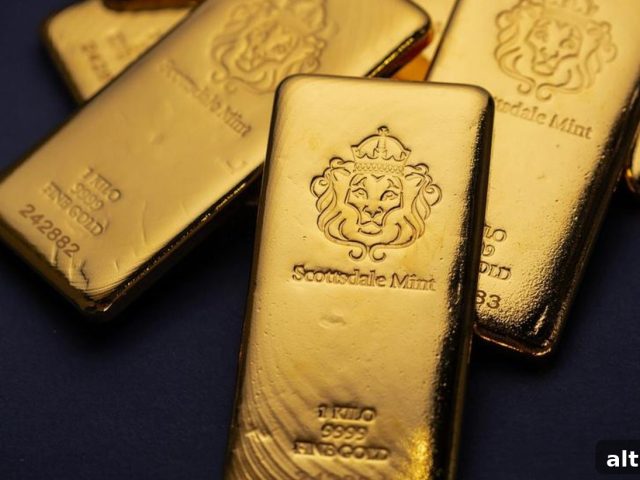
Gold ended a four‑day losing streak, climbing back above $3,960 per ounce as traders digested both the Trump‑Xi meeting and the Federal Reserve’s most recent rate decision. The metal had fallen from record highs above $4,300 per ounce earlier in the month, pressured by profit‑taking and a temporary decline in safe‑haven demand following signs of easing trade tensions.
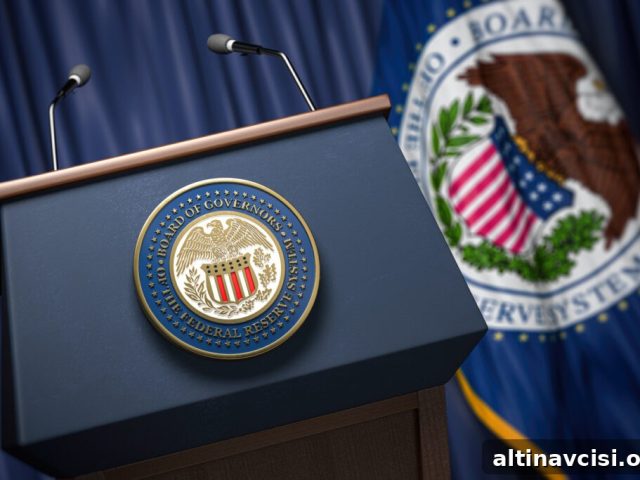
The Fed delivered a widely expected quarter‑point rate cut, but Chair Powell signaled that another cut in December is far from certain. That caution limited gold’s upside in the near term. At the same time, the lack of concrete, long‑term detail from U.S.–China talks left many investors in a wait‑and‑see mode. Year‑to‑date gold remains strongly positive — supported by central bank purchases, geopolitical uncertainty, and ongoing ETF inflows — but the sustainability of gains will depend on how durable this trade truce proves to be.
ECB Stands Pat as Europe Weathers Trade Storm
The European Central Bank held interest rates steady at 2% for the third consecutive meeting, signaling confidence that inflation is near target and that the eurozone can absorb current tariff-related volatility. After a series of rate reductions since mid‑2024, ECB policymakers are inclined to monitor developments rather than act preemptively.
Some officials remain open to “insurance cuts” if trade tensions flare again or if weak growth in key economies like Germany threatens broader eurozone recovery. For now, the consensus is that the current rate setting is appropriate given stable inflation and resilient business activity across much of Europe.
Déjà Vu: AI Mania Eclipses Dot‑Com Bubble
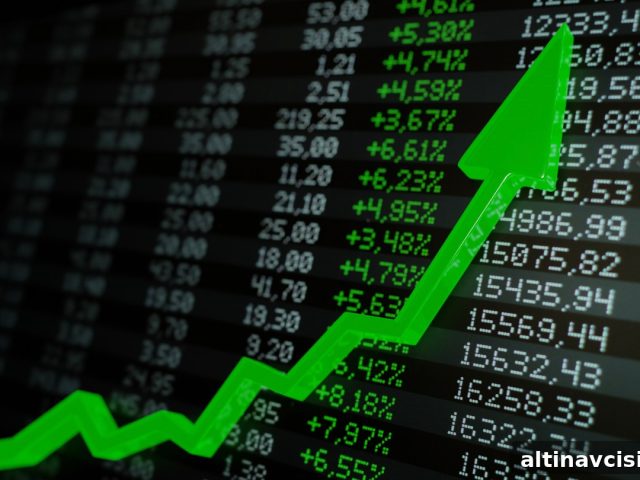
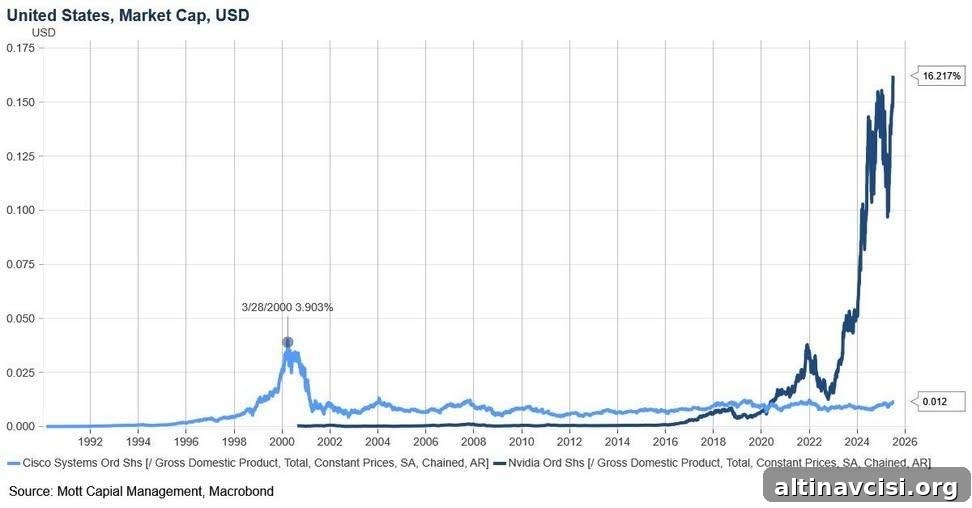
Comparisons to past market bubbles are gaining traction. At the March 2000 peak of the dot‑com bubble, Cisco represented roughly 3.9% of U.S. GDP. Today, Nvidia’s market capitalization exceeds 16% of GDP, a concentration far higher than the dot‑com top. Concentration risk has increased dramatically, and signs of speculative excess are visible across multiple pockets of the market.
Special purpose acquisition companies (SPACs) have made a notable comeback, with more than 108 new SPACs launching in 2025 and roughly $24 billion raised since November. Prominent figures from the last boom are back in the market, targeting the same hot sectors: artificial intelligence, cryptocurrencies, and digital finance. The familiar pattern — intense investor enthusiasm, high valuations, and rapid capital flows — raises concerns about a potential correction. Historically, such corrections have pushed investors toward traditional safe havens like gold, and in this cycle gold has already reacted ahead of broader market downturns.
Industry Insiders Say Gold Is Heading Toward $5,000
At the London Bullion Market Association’s annual conference in Kyoto, delegates offered a clear projection for the next move in bullion: a consensus forecast of $4,980 per ounce by late 2026. That target implies roughly a 27% rise from current levels and brings the psychological $5,000 mark into view. These forecasts reflect the views of market participants who trade, mine, and finance large volumes of bullion.
The outlook is reinforced by gold’s strong performance this year: the metal has experienced its best annual run since 1979, rising more than 50% year‑to‑date after an all‑time high earlier in October. Silver has outperformed gold, gaining roughly 62% and reaching record levels, with delegates projecting further upside for silver over the next twelve months.
One notable structural development is central bank behavior. For the first time in decades, gold has reclaimed a prominent role among reserve assets, displacing U.S. Treasuries as a leading store of value for some central banks. This shift is more than a price phenomenon — it suggests a longer‑term rebalancing in the composition of official reserves and underscores why many investors see precious metals as a strategic portfolio hedge.
Investing in Physical Metals Made Easy
For investors considering exposure to physical gold and silver, focus on secure custody, transparent pricing, and a reputable dealer. Physical holdings can complement paper‑based allocations and provide diversification when markets become volatile.
Popular Topics
Picked from the archive
-
01
 Topics
Citi Predicts Gold May Hit $3,500 After Weak Jobs Report
-
02
Topics
Gold Climbs on Trade War Jitters Before US Inflation Report
-
03
Topics
Gold Price Nears $3,700 Ahead of Fed Meeting
-
04
Topics
U.S.-Japan Trade Deal Lifts Investor Confidence, Gold Pulls Back
-
05
Topics
Trump’s No-Tariff Pledge Calms Gold Prices
-
06
Topics
Trump’s Allegations Against BLS Ignite Debate on Data Integrity
-
07
Topics
Why Central Banks Are Buying Gold as Citi Warns of Pullback
-
08
Topics
Fed’s Bowman and Waller Support Possible July Rate Cut