
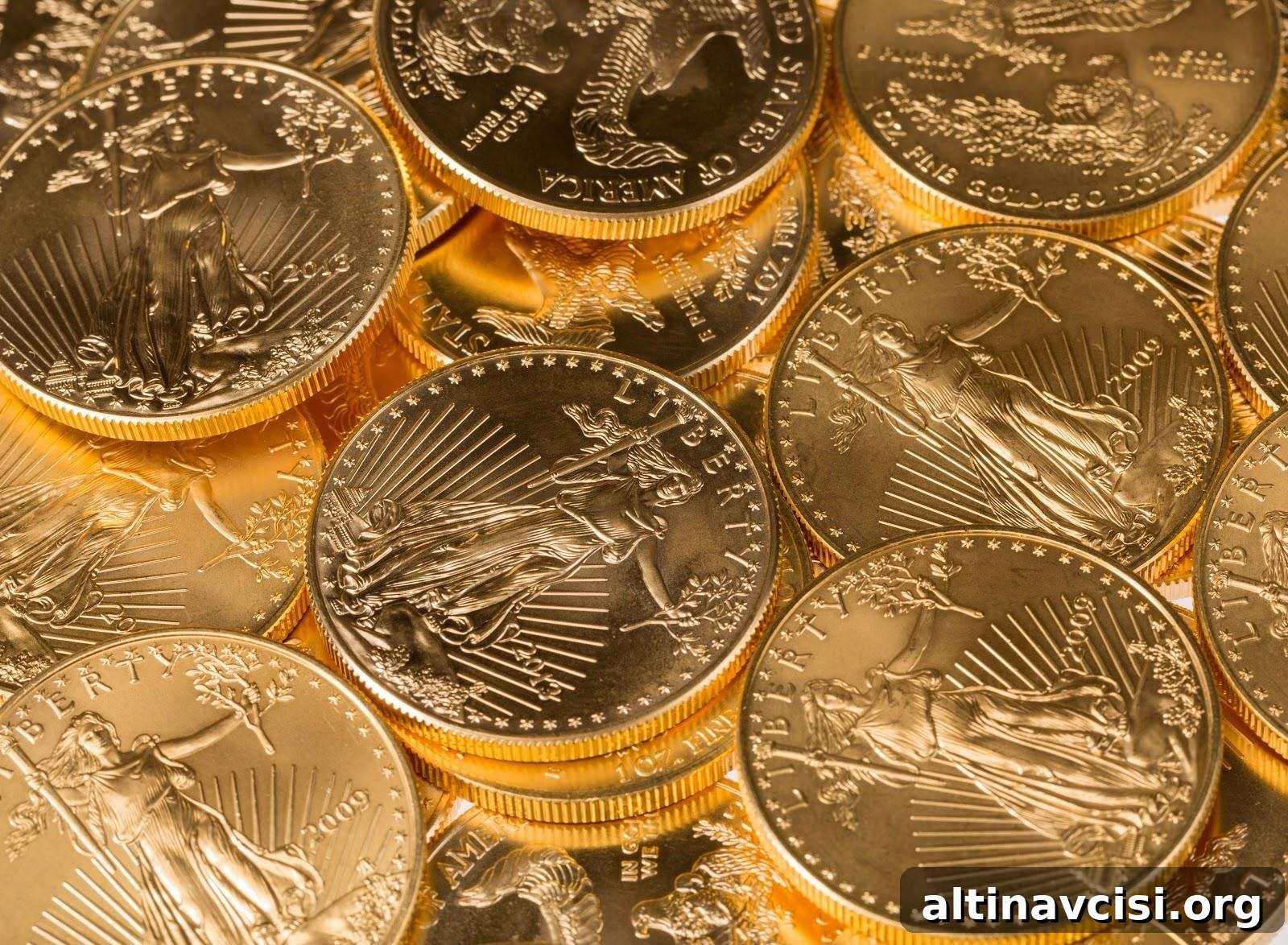
Gold prices have risen above $2,915 per ounce as growing trade tensions push investors toward safe-haven assets.
President Trump’s recent tariffs on Canada and Mexico, along with increased duties on China, prompted swift retaliatory measures — including Beijing’s imposition of 15% tariffs on U.S. farm goods. These tit-for-tat moves have intensified geopolitical and economic uncertainty, encouraging demand for precious metals.
The escalation in trade disputes, coupled with the U.S. pause on military aid to Ukraine, has added another layer of market risk. After setting an intraday record near $2,955 in February and then pulling back as some investors took profits, gold has regained momentum and is up about 2% this week.
Analysts at Goldman Sachs now estimate that gold could climb to $3,300 per ounce by year-end, citing ongoing policy uncertainty. At the same time, softer U.S. economic indicators — including weaker housing data, a rise in jobless claims and a slowdown in personal spending — have raised expectations for Federal Reserve rate cuts later this year. Lower interest rates typically reduce the opportunity cost of holding non-yielding assets like gold, making bullion more attractive when growth and policy outlooks are unclear.
Investors often turn to gold during periods of geopolitical friction and uncertain monetary policy because it has historically preserved value when stocks or currencies face pressure. The combination of trade conflicts, slower economic readings and potential Fed easing has therefore helped restore gold’s appeal as a hedge against volatility and inflation risks.
Market participants will continue watching trade negotiations, tariff developments and U.S. economic releases closely, as these factors will influence the trajectory of precious metals in the months ahead.