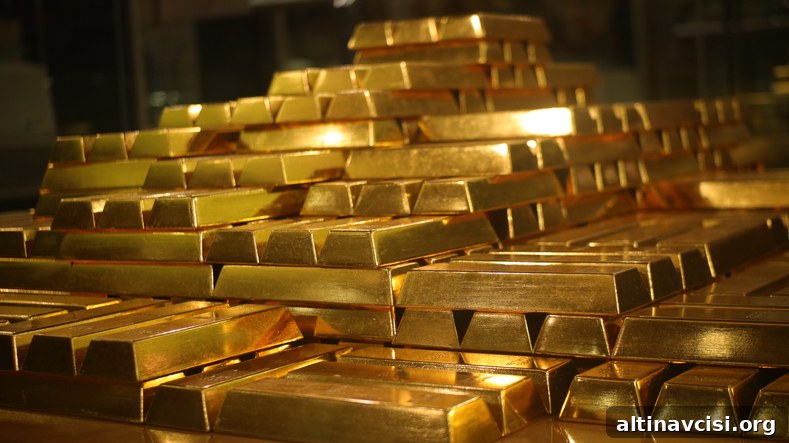
Gold prices slipped 1.3% to $3,274.10 an ounce on Wednesday, representing the second consecutive day of declines.
Analysts point to a stronger US dollar and easing US-China trade tensions as key factors behind the drop. Even with this pullback, gold remains on course for its fourth consecutive monthly gain, rising nearly 5% during April.
After reaching a record high of $3,500.05 on April 22, the market appears to be entering a consolidation phase as traders assess whether the rally has paused or is merely taking a breather.
Attention is now turning to upcoming US economic releases — notably the personal consumption expenditures (PCE) index and non-farm payrolls — which could shape expectations for Federal Reserve policy and influence gold demand. These data points will be watched closely for signs of inflationary pressure and labor market strength, both of which typically affect interest-rate outlooks and the appeal of non-yielding assets like gold.
Market participants say that if the PCE and payrolls point to continued economic resilience, the dollar and interest-rate expectations could firm further, putting additional pressure on bullion. Conversely, softer-than-expected readings could revive safe-haven buying and support higher gold prices.
For now, traders are balancing near-term macroeconomic signals against technical developments following the April peak, seeking clarity on whether gold’s upward trend will resume or settle into a longer consolidation pattern.