Tokenized Gold: Where Just Like Owning Gold Falls Apart
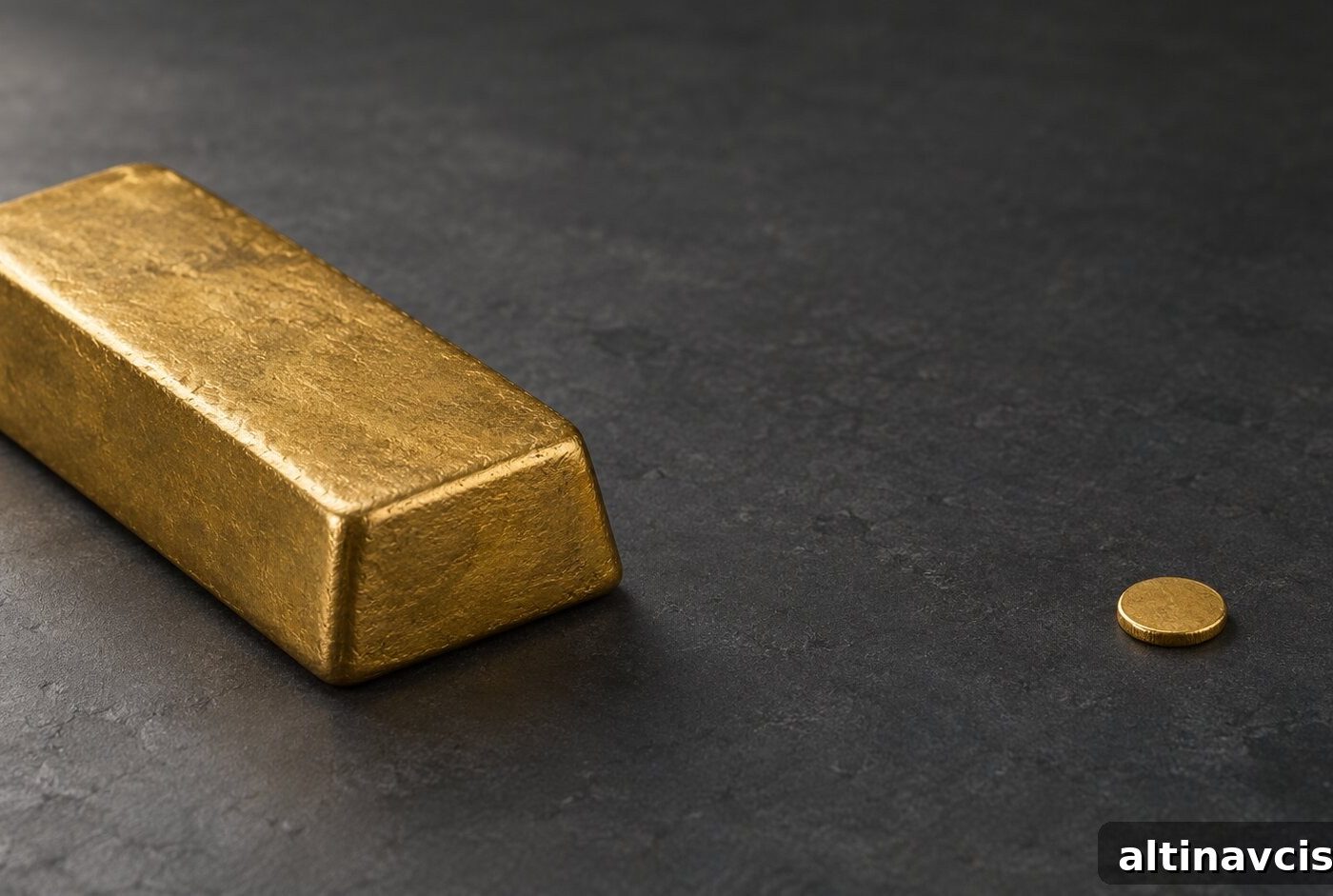
Tokenized gold converts physical bullion into a blockchain-based digital token that represents a claim on allocated metal. The market is dominated by two issuers: PAX Gold (PAXG) and Tether Gold (XAUT). While these tokens make gold exposure easy to trade, important limits on redemption and issuer risk mean a token is not the same as personally holding physical metal.
What is tokenized gold?
Tokenized gold is a digital asset recorded on a blockchain that represents a specific quantity of gold held in custody. Each token typically corresponds to a fixed amount of fine troy ounces in a vault: for example, PAXG and XAUT are both structured around one troy ounce per token. These tokens trade continuously on cryptocurrency markets and move with the spot price of gold rather than being pegged to a currency, so their price fluctuates with the market for the underlying metal.
- PAX Gold (PAXG): Issued by Paxos, a New York–chartered trust, PAXG is backed by allocated London Good Delivery bars stored in recognized vaults. Paxos provides periodic attestations of reserves.
- Tether Gold (XAUT): Issued by Tether, XAUT represents allocated gold stored in approved vaults and is similarly intended to match one troy ounce per token.
Because these tokens track gold’s price, they are often mistaken for “stablecoins.” That term is misleading here: stablecoins maintain a fixed value in fiat terms, while a gold token’s value is as volatile as gold itself. In other words, a token is a digital denomination of gold exposure, not a fiat-backed stable asset.
What’s the appeal of holding tokenized gold?
Tokenized gold offers practical advantages. There are no direct storage fees for the token itself, you can buy and hold fractional amounts, and transfers settle nearly instantly across borders and time zones. These tokens can also be used as collateral in crypto lending and decentralized finance (DeFi) applications, which is a use case physical bars can’t match without significant friction. For traders and users seeking fast, round-the-clock market access or programmable collateral, tokenized gold is a compelling tool.
Where does the “just like owning gold” claim break down?
The key caveat most marketing glosses over is that redeeming tokens for the physical metal is not the typical experience and often requires large minimum quantities. For instance, Paxos’s redemption terms for PAXG are tied to full allocated London Good Delivery bars. Because one Good Delivery bar can weigh roughly 370–430 troy ounces, Paxos requires a multi-hundred-token minimum—typically the equivalent of one full bar—to receive the specific bar the tokens represent. If you hold less than that, direct bar redemption through the issuer is not available. Smaller holders generally have two realistic choices: sell tokens on the open market for cash, or use a third-party program that can convert holdings into smaller physical denominations. Either route severs the immediate token-to-bar link for most owners.
Tether’s XAUT uses its own redemption process with KYC requirements and minimums, producing similar practical limits. In short, the convenience of 24/7 trading doesn’t automatically equate to immediate physical ownership for ordinary-sized holdings.
What counterparty risk comes with a token?
Holding a token introduces counterparty exposure that simply owning a bar in your safe does not. Token holders rely on the issuer and the custody chain to maintain sufficient reserves, to provide accurate attestations, and to honor redemption requests according to their terms. Attestations are periodic snapshots, not continuous proof, and issuers can change or restrict redemption policies in certain circumstances. There is also operational risk—from the smart contract or custody provider—that could affect access to your claim. That doesn’t make tokenized gold inherently bad, but it does mean you’re holding a claim managed by a company rather than sole title to a physical bar.
Is tokenized gold regulated like a stablecoin?
Not under the federal framework created for payment stablecoins. Recent U.S. legislation established regulatory rules for tokens pegged 1:1 to a fiat currency and intended for payments, including reserve requirements and redemption rules. Those payment-stablecoin rules cover fiat-pegged tokens and explicitly exclude assets that track a floating commodity price. Because gold-backed tokens move with gold’s market value rather than a currency peg, they fall outside that payment-stablecoin definition and the related federal rulebook.
Could future regulation change this?
A companion bill under discussion aims to clarify which regulators oversee different types of crypto tokens, including commodity-backed tokens. If enacted, that legislation could assign clearer jurisdiction between securities and commodities regulators. Until such legislation is finalized, tokenized gold remains governed largely by the issuer’s charter and trust structure, and by state and existing federal rules that apply to those corporate forms.
Physical gold vs. gold ETF vs. tokenized gold: what’s the difference?
| Physical gold (allocated) | Gold ETF (example: GLD) | Tokenized gold (PAXG / XAUT) | |
|---|---|---|---|
| Settlement | Immediate possession if you hold it | Trade during exchange hours; settlement T+1/T+2 | Near-instant transfers, 24/7 trading |
| Storage cost | Vault fees or insurance, or self-custody responsibility | Expense ratio covers custody and management | No ongoing storage fee for the token itself; custodial costs are implicit |
| Redemption for metal | Direct—you own the specific metal | Not directly redeemable by most retail holders | Possible but subject to issuer minimums, KYC, and approval (full-bar minimums often apply) |
| Counterparty risk | Low if self-custodied; vault-specific if stored | Fund and custodian counterparty risk | Issuer plus custodian and smart-contract risk |
| Usable as DeFi collateral | No | No | Yes |
| Regulatory clarity | Governed as property and custody law | Regulated as a fund under securities law | Currently outside the federal payment‑stablecoin framework and governed by issuer structure and existing regulations |
If you already use a professional vault, compare allocated custody terms and title to understand whether the metal is held in your name. The ownership model—allocated title versus an issuer-administered claim—matters for risk and recovery.
Does tokenized gold still count as sound money?
Gold’s enduring appeal has been that it is not someone else’s liability. Physical allocated gold carries no issuer liability: the bar exists independently of any company’s balance sheet. Tokenized gold restores a counterparty layer in exchange for convenience and liquidity. That trade-off can be appropriate for trading, collateral, or fractional exposure, but it is not the same as holding metal outright. If your primary goal is to remove counterparty exposure, allocated physical ownership remains the closest match.
Which form actually constitutes ownership of the metal?
A token provides a contractual claim against an issuer’s reserves; allocated physical storage means the metal is titled to you or held expressly on your behalf. Both approaches deliver exposure to gold’s price, but only allocated physical custody can claim direct, exclusive ownership of a specific bar without an intermediary’s redemption policy in between.
People also ask
Is tokenized gold the same as a gold ETF?
No. An ETF share represents an ownership interest in a pooled fund that holds gold and is regulated as a security. A token is a digital claim administered by a private issuer and custodian and sits in a different legal and operational framework.
Can I redeem a gold token for physical gold?
In principle, yes, but issuers set minimums, identity verification, and processing requirements. Many retail-sized holdings will need to be converted through secondary options rather than redeemed for a specific allocated bar.
How do I buy or convert tokenized gold?
You can buy PAXG or XAUT on exchanges and hold them in compliant wallets or custodial accounts. Converting tokens back into physical metal typically requires following the issuer’s redemption procedures, meeting minimums, and completing KYC and settlement steps outside the exchange.
What fees and risks come with tokenized gold?
Fees are generally modest—creation/redemption charges or purchase fees—but the primary risk is counterparty exposure: the token’s value relies on the issuer maintaining reserves and honoring redemption terms. Operational risks in custody and smart contracts also apply.
What happens if an issuer faces financial trouble?
Issuers can and often do reserve rights to restrict redemptions under certain conditions. Periodic attestations confirm reserves at a moment in time but do not guarantee an orderly redemption process in a stress event. That gap is the core counterparty risk that allocated ownership avoids.
Sources
Notable references informing this summary include recent regulatory materials on payment-stablecoin rules, public issuer terms and attestations for PAXG and XAUT, and industry reporting on tokenized-gold adoption and lending use cases. Check issuer disclosures and official regulatory filings for the most current details and exact redemption mechanics.
Disclaimer: This article is informational and not investment advice. Consult a qualified financial professional before making investment decisions.
You may also like:
- IRA-Eligible Gold: The Coins and Bars That Actually Qualify
- The No-Home-Storage-IRA Myth: Why the IRS Requires a Depository
- What Is a Gold IRA? The Purity Rule the IRS Never Wrote
- What Is ZIRP and How It Changed Gold Forever
- How Much Is a Gold Bar Worth? Every Size, From 1 Gram to 400 Ounces
- What Happens to Your Gold If Your Storage Company Goes Bankrupt?
Popular Topics
Picked from the archive
-
01
 Topics
Gold Technical Analysis: A Complete Investor’s Guide
-
02
Topics
Is Gold Jewelry a Smart Investment? Common Buyer Mistakes
-
03
Topics
Why Investors Are Buying Gold After Today’s Price Drop
-
04
Topics
Must You Report Gold in Foreign Vaults? FBAR and FATCA
-
05
Topics
How Gold Prices Are Determined: East-West Market Forces
-
06
Topics
Why Silver Dropped Three Times More Than Gold: The PPI Story
-
07
Topics
Silver Demand Across Industry, Jewelry and Investment
-
08
Topics
Why Gold Falling Below $4,400 Did Not Rattle Wall Street