Sprott Silver Mid-Year 2025 Investment Outlook
Silver Rally in 2025: Why Prices Have Jumped and What It Means
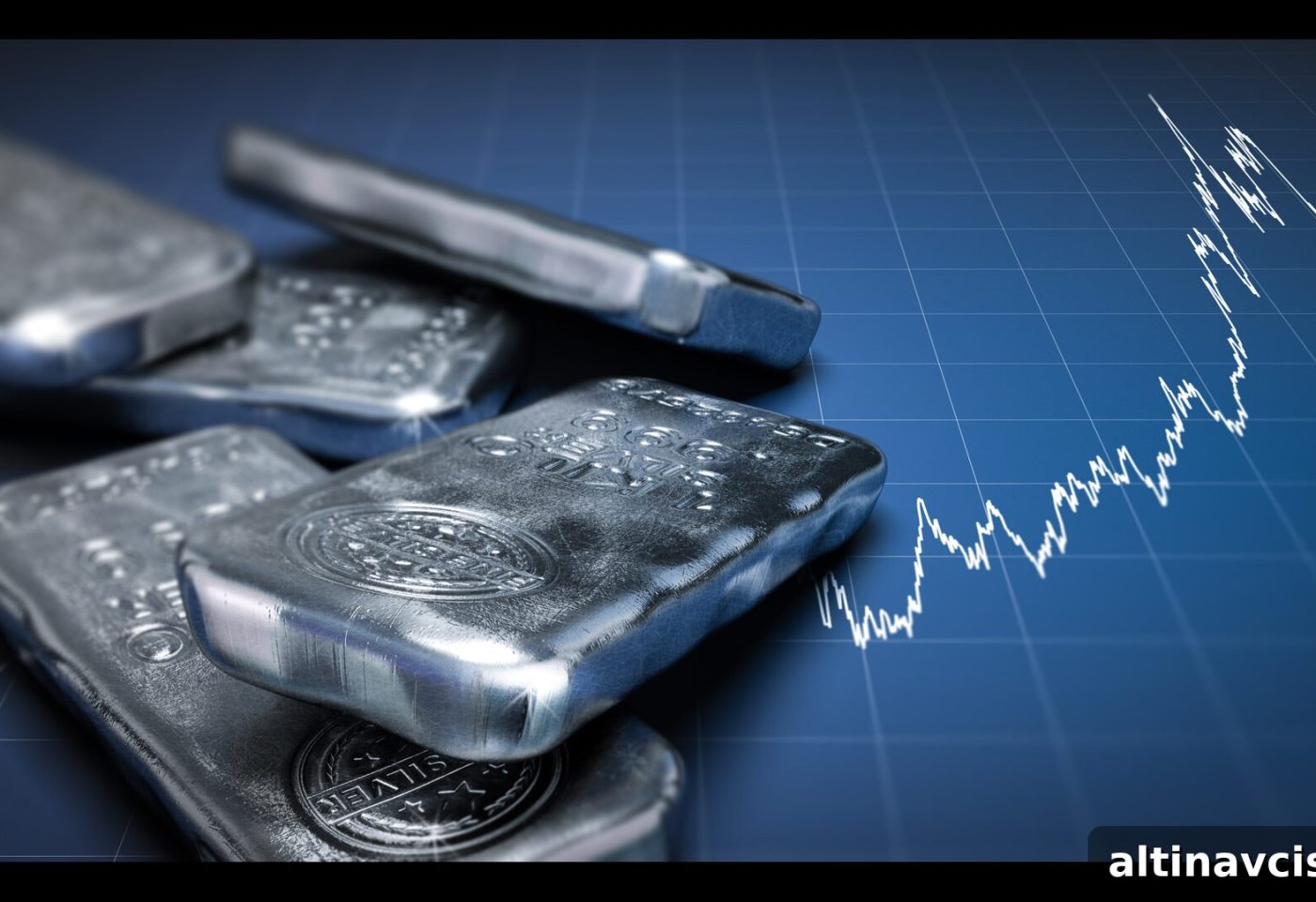
Silver has surged nearly 25% year-to-date in 2025, climbing above $35 per ounce and touching decade highs near $38. This notable rally reflects a combination of persistent supply constraints and steadily growing industrial demand, creating a market environment that many traders and investors find increasingly tight.
Persistent Supply Deficit
One of the central drivers of the price move is a prolonged supply deficit. The market has experienced seven consecutive years of shortfalls, with a cumulative gap of almost 800 million ounces since 2021. That extended period of negative net supply means inventories that once cushioned price fluctuations have been drawn down, reducing available metal for immediate delivery.
Industrial Demand Is Rising
Industrial consumption plays a major role in the silver market. Approximately 59% of silver usage is tied to industrial applications, with solar photovoltaic panels and electronics among the most significant end uses. As renewable energy deployment expands and electronic device production continues to grow worldwide, demand from those sectors has become an increasingly important and relatively inelastic component of total silver consumption.
Valuation: Gold-to-Silver Ratio
Another factor market participants watch closely is the gold-to-silver ratio, which currently sits around 91, well above its long-term historical average near 67. A higher ratio indicates that silver is trading cheaply relative to gold by historical standards. That divergence often attracts arbitrage interest and buying from investors who view silver as undervalued relative to gold.
Lower Freely-Traded Inventories and Squeeze Risk
Freely traded inventories—metal that is readily available for market participants to buy and sell—have declined significantly. When these inventories shrink, the market becomes more sensitive to even modest shifts in demand or short-term supply interruptions. In such circumstances, a “silver squeeze” can occur: relatively small incremental buying or supply interruptions can trigger sharp, rapid price spikes as market participants scramble for limited available ounces.
What This Means for Investors and Industry
These dynamics create several practical implications:
- Price volatility may increase. With lower inventories and a tight supply-demand balance, silver prices can move sharply on news or unexpected changes in demand.
- Industrial users face higher input costs. Manufacturers using silver—especially in solar panels and electronics—may encounter rising costs that can feed into production decisions and pricing strategies.
- Investment demand may grow. Investors who view silver as undervalued relative to gold or as a hedge against inflation and currency risk could increase allocations to bullion, coins, or silver-backed instruments, amplifying demand pressure.
- Market structure matters. The role of exchange-traded products, warehoused metal, and raw material flows from mining and recycling all influence how quickly prices adjust to changing fundamentals.
Factors to Watch Going Forward
Market participants should monitor several key indicators to assess silver’s near-term outlook:
- Changes in mined supply and recycling rates, which affect total availability.
- Industrial demand trends, particularly from solar and electronics sectors.
- Movements in exchange-traded inventories and other held stocks that indicate available liquidity.
- Shifts in investor positioning, including flows into and out of silver-backed investment products.
- Macro factors such as inflation expectations, currency moves, and monetary policy decisions that influence precious metals broadly.
In summary, silver’s strong performance in 2025 is rooted in a sustained supply deficit, rising industrial demand, and thin tradable inventories. Those conditions increase the potential for heightened volatility and create the possibility of sharp price moves if demand rises further or if supply is unexpectedly disrupted. For both industrial users and investors, careful monitoring of supply metrics, inventory levels, and demand drivers will be essential in navigating this market.
Popular Topics
Picked from the archive
-
01
 Topics
Why Ground Beef Prices Are Soaring as Cattle Supply Shrinks
-
02
Topics
Gold Falls to One-Week Low as Trade Talks Enter Final Days
-
03
Topics
Brazil Inflation Off Target for Sixth Straight Month
-
04
Topics
Oil Price Tops $65 as US-China Trade Talks Lift Markets
-
05
Topics
June CPI Jumps 2.7 Percent as Tariffs Push Up Consumer Prices
-
06
Topics
Why Wealthy Investors Allocate 11% of Portfolios to Gold
-
07
Topics
Senate Tax Bill Adds 3.3 Trillion to Deficit, Raising Alarm
-
08
Topics
Powell’s Rate-Cut Dilemma: Trump vs Fed Credibility