Silver Price Forecast 2025: Will Silver Reach $40?
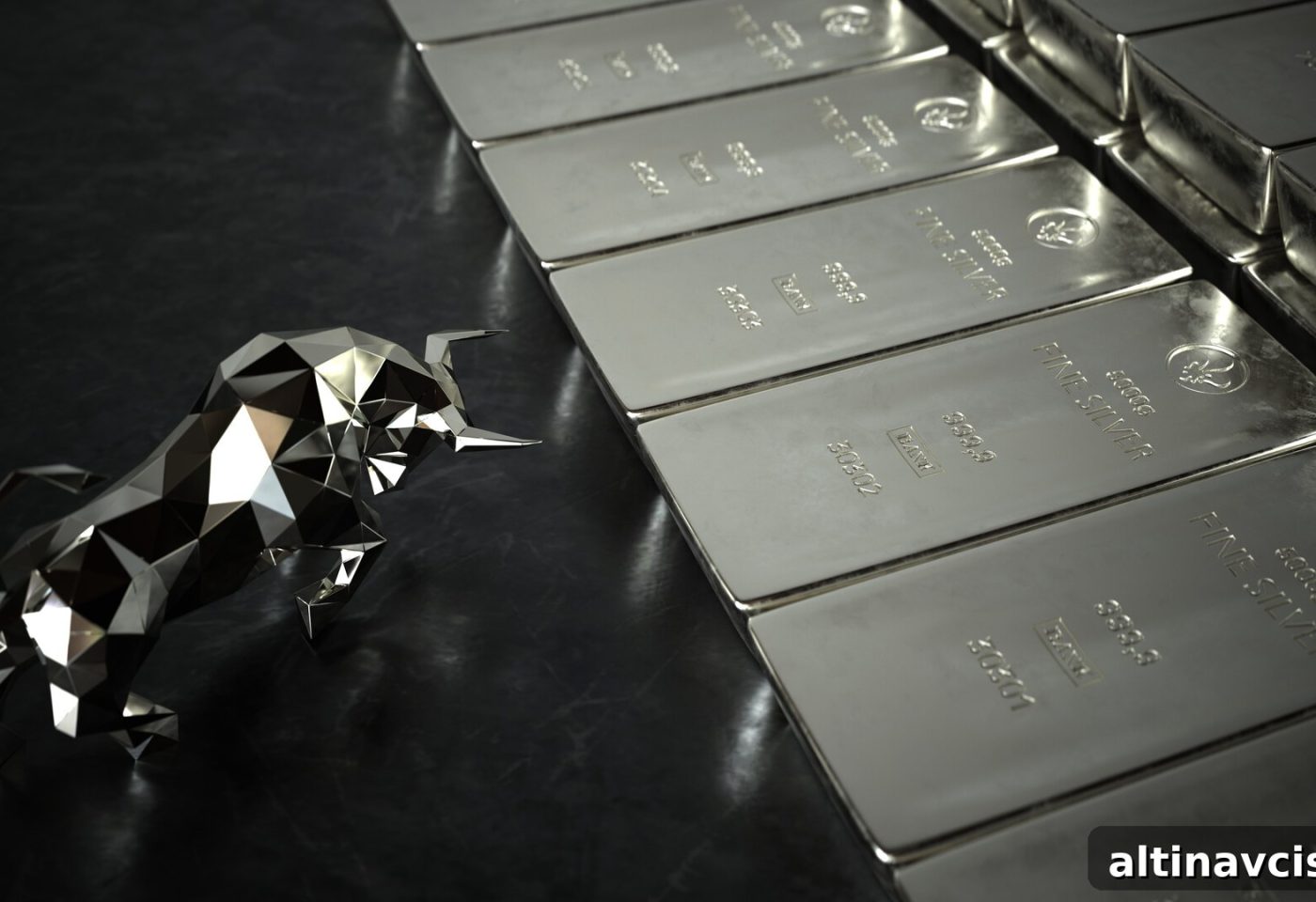
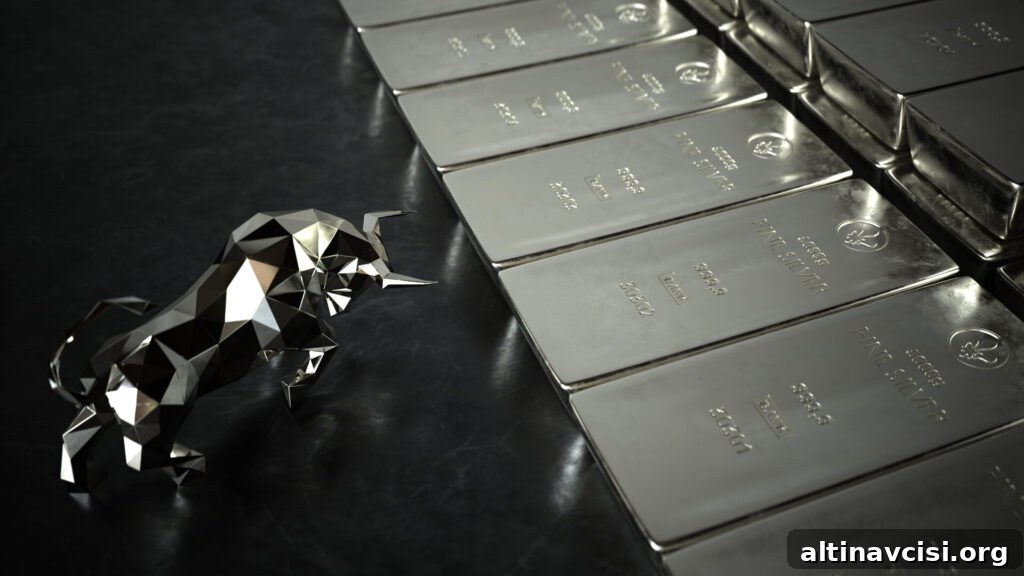
Silver has emerged as one of the market’s most compelling stories in 2025. After starting the year below $30 per ounce, the metal has climbed sharply and is trading near $37.50 an ounce, up roughly 30% year-to-date. While gold frequently dominates headlines with record highs, silver’s combined role as a precious metal and a vital industrial input is drawing renewed investor attention.
This article reviews the forces behind silver’s recent advance, the outlook for prices, and what investors should consider as markets evolve through the remainder of 2025 and beyond.
Silver Market Today: Strong Momentum Builds
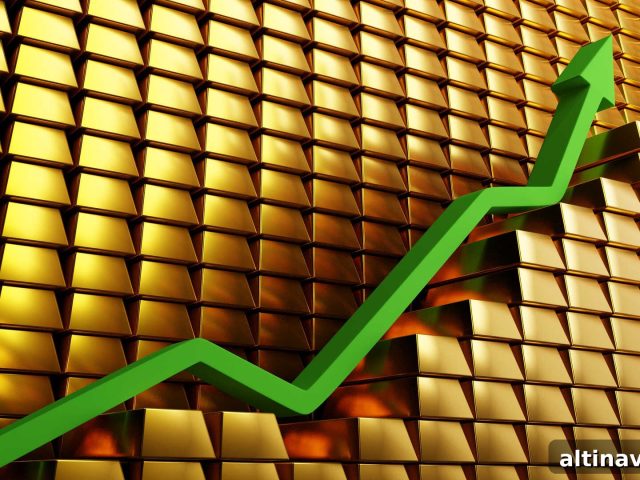
Silver began 2025 around $28.92 per ounce and has since made substantial gains, reflecting renewed investor interest and tighter market dynamics. The year-to-date rise has been driven by a mix of supply constraints, growing industrial demand—especially in green technologies—and shifting macroeconomic sentiment that favors tangible assets.
Market-wide deficits are expected to persist, marking several consecutive years of supply shortfalls. Although the projected shortfall for 2025 may be somewhat smaller than prior years, it remains meaningful in historical terms and provides support for higher prices as demand outpaces available metal.
Compared with 2024, silver’s performance has been particularly strong, underscoring why investors who seek diversification beyond traditional equities and bonds are increasingly turning to precious metals.

Invest Now
Invest Now
Invest Now
Invest Now
What’s Driving Silver’s Price?
Industrial Demand: The Power Behind the Metal
Industrial demand is a primary driver of silver’s longer-term outlook. Silver is widely used in electronics, photovoltaic cells for solar panels, medical devices, and other high-tech applications. Estimates indicate industrial fabrication of silver is growing, and demand from renewable-energy sectors—especially solar—remains a major structural factor supporting higher consumption.
Global solar installations are projected to expand further, increasing the need for silver in PV manufacturing. Over time, rising renewable capacity and electrification across transportation and infrastructure will continue to add incremental industrial demand for silver.
Supply Constraints: Tightening the Market
On the supply side, global mine production and total available supply have faced challenges. Over the last decade, supply growth has been limited, while demand from both investment and industrial users has accelerated. Geopolitical, regulatory, and operational risks in major producing countries can add further pressure, leading to recurring market deficits that support higher prices.
Economic and Sentiment Factors
Beyond physical supply and demand, macroeconomic conditions and investor sentiment matter. Silver is often seen as an inflation hedge and a tangible store of value when economic uncertainty rises. If real interest rates decline or remain low, the opportunity cost of holding precious metals falls, which tends to benefit silver and gold. Market volatility and geopolitical uncertainties can increase demand for hard assets, helping silver sustain momentum.
Expert Predictions for Silver Prices in 2025
Several institutional and industry analysts have issued bullish near-term targets for silver. Notable examples include forecasts from major banks and commodity analysts suggesting prices could approach or reach the $38–$40 per ounce range during late 2025 into 2026, driven by persistent supply constraints and continued industrial uptake.
Some analysts are even more optimistic for 2026–2027, envisioning new all-time highs if deficits persist and demand grows faster than expected. While projections vary, the consensus among many professional forecasters favors higher silver prices relative to current levels, reflecting a blend of structural and cyclical drivers.
Volatility in Silver: A Risk Worth Taking?
Silver is historically more volatile than gold. That volatility increases both upside potential and downside risk. Past cycles show that during strong rallies silver can significantly outperform gold, but corrections can be sharp and fast. Investors should recognize this risk profile: volatility can produce attractive entry points, but it requires disciplined position sizing and a clear plan for risk management.
Technical indicators and recent price action suggest the market remains in a bullish phase following a corrective pullback earlier in the year, but traders and investors should plan for continued swings.
Is Now the Time to Invest?
For investors seeking exposure to both precious metals and industrial growth themes—such as renewable energy and electrification—silver offers a unique combination of attributes. Supply constraints plus rising industrial demand make a plausible case for further gains. Short- and medium-term forecasts range from moderate increases to more ambitious targets in the $40–$50 range, depending on how supply and demand evolve.
Deciding whether to invest now depends on individual objectives, risk tolerance, and portfolio allocation. Those focused on long-term diversification may consider physical silver, exchange-traded products, or allocated metal accounts, while traders can use futures and other instruments to express shorter-term views. As always, disciplined allocation and professional advice are recommended.
Investing in Physical Metals Made Easy
Consider secure, allocated holdings or reputable dealers when adding physical silver to a diversified portfolio.
Final Thoughts: Silver’s Shining Future
Silver is transitioning from a traditional precious metal to a critical industrial input that supports the clean-energy and high-tech revolutions. Supply limitations combined with rising industrial consumption and supportive macro conditions form a persuasive case for continued price appreciation. Volatility will remain part of silver’s profile, but for investors seeking exposure to both store-of-value and industrial-growth themes, silver presents a distinctive opportunity.
Stay attentive to key market indicators—production reports, industrial fabrications, inventory movements, and macroeconomic developments—to make informed decisions. Consult with a qualified financial advisor to align any silver exposure with your broader investment strategy.
This analysis reflects current market conditions and informed viewpoints. Past performance does not guarantee future results. Always consult a qualified financial advisor before making investment decisions.
Get Gold & Silver Insights Direct to Your Inbox
Join investors who receive regular market analysis, trend updates, and actionable commentary on precious metals.
Popular Topics
Picked from the archive
-
01
 Topics
Gold Prices Slip as Tariff Tensions Rattle Markets
-
02
Topics
Private Job Growth Drops to 2-Year Low, Treasury Yields Plunge
-
03
Topics
Japan Election Promises and Tariff Fears Rattle Bond Market
-
04
Topics
Gold Hits Five-Week High on Trade Uncertainty, Weak Dollar
-
05
Topics
Why U.S. Treasuries Are No Longer a Crisis Safe Haven
-
06
Topics
Gold Prices Rise Ahead of Fed Minutes, Key Economic Data
-
07
Topics
Why Trump Can’t Reverse Interest Rate Hikes Despite Fed Pressure
-
08
Topics
Geopolitical Tensions Send Gold Mining Stocks Up Double Digits