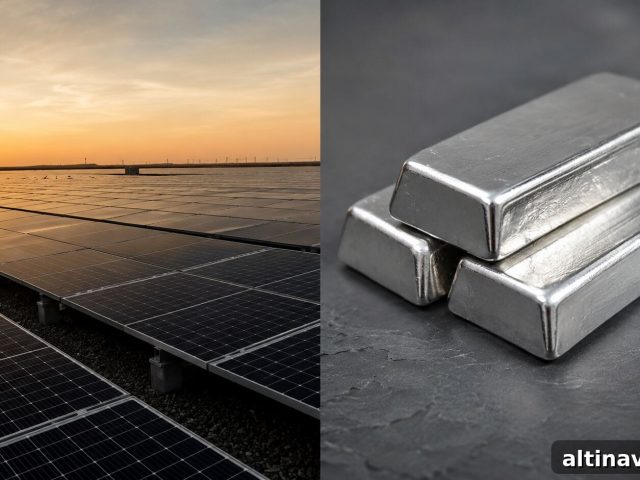
Solar Cuts Silver Use 19%: Why the Deficit Is Bullish for Silver
Key Takeaways
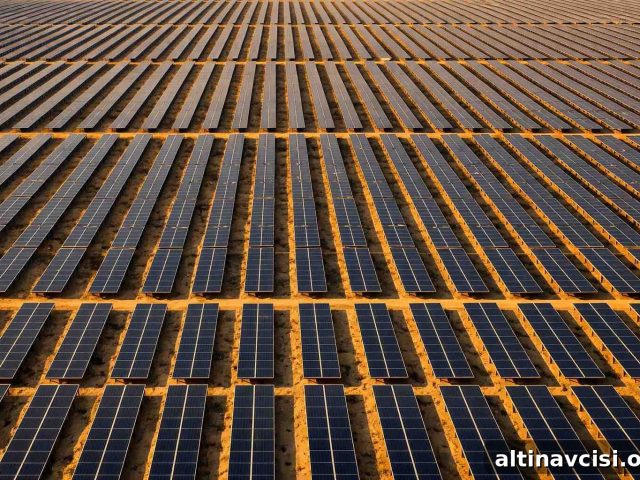
- Solar photovoltaic (PV) silver consumption dropped about 19% in 2026 to roughly 151 million ounces — the largest single-year reduction on record (World Silver Survey 2026).
- Despite the cut in solar use, the global silver market is projected to record a sixth consecutive annual supply deficit in 2026, widening to 46.3 million ounces from 40.3 million in 2025.
- The deficit is widening because supply is contracting faster than demand — both sides of the ledger are shrinking, but mine output is falling more rapidly.
- From 2021 onward, cumulative drawdowns from above-ground silver stocks have been substantial; official reporting confirms a large cumulative withdrawal to meet annual shortfalls.
- Solar’s reduction is primarily thrifting — using less silver per cell — not substitution with other metals like copper; the two are distinct processes with different implications for long-term demand.
- Copper substitution in the leading TOPCon cell architecture faces unresolved reliability challenges; mass adoption is generally estimated for 2028–2030.
- Growing demand from electric vehicles, AI data centres, and upgraded grid infrastructure is partially offsetting the PV decline.
- About three-quarters of global silver production is recovered as a byproduct of base-metal mining, so supply cannot quickly respond to silver-specific price signals.
In 2026 solar-panel manufacturers reduced silver usage per cell, producing a roughly 19% fall in PV silver demand to near 151 million ounces. Even so, the market still heads into its sixth straight annual supply deficit, underscoring that falling industrial demand has not eliminated structural supply constraints. Mine production is contracting faster than industrial demand, so the shortfall widened to an expected 46.3 million ounces in 2026.
Is Solar’s Silver Cutback Breaking the Silver Thesis?
Manufacturers have actively reduced silver loadings in solar cells. According to the World Silver Survey 2026 from the Silver Institute and Metals Focus, collective PV silver consumption fell from about 186.6 million ounces in 2025 to roughly 151 million ounces in 2026. This large single-year reduction has prompted debate about silver’s long-term structural case.
The short answer: no. To evaluate the outlook correctly, distinguish between thrifting — using less silver per unit — and substitution — replacing silver with another material. The 2026 adjustment is predominately thrifting, not broad-based substitution. Thrifting is a normal price response by manufacturers and does not alone dismantle silver’s structural demand story.
The Knowledge That Changes Everything

Two essential guides — free. Learn why gold matters and why fiat currencies historically lose value.
What Is Silver Industrial Demand, and Why Does It Matter?
Industrial demand covers silver used in manufacturing: solar cells, electric vehicles, data centres, electronics, and grid infrastructure. Industrial fabrication represents a majority of total silver demand — roughly 59% according to the Silver Institute — and it is the segment most sensitive to price. When silver prices rise, industrial buyers typically reduce the quantity used per unit, a process that changes consumption but does not automatically remove silver from applications where its properties are uniquely valuable.
For 2026, total global silver demand is forecast to decline by around 2% to approximately 1.11 billion ounces, while total supply is also forecast to contract by about 2%. When both supply and demand fall at similar rates, the market balance can worsen rather than improve, which is why the annual deficit expanded in 2026 despite lower industrial consumption.
Why Is the Sixth Consecutive Silver Deficit Getting Worse, Not Better?
The projected 2026 deficit of 46.3 million ounces (up from 40.3 million in 2025) reflects structural limits on supply. Approximately three-quarters of mined silver is produced as a byproduct of copper, lead and zinc operations. As a result, silver output is largely tied to base-metal economics rather than silver prices alone. Primary silver mines are uncommon and take years to permit and build, so supply cannot be ramped up quickly in response to tightness.
The supply improvements seen in 2025 — a 7% increase in mine production and record recycling — faded in 2026, reversing those tailwinds and contributing to a contracting supply. Industry data also confirms substantial cumulative drawdowns from above-ground stocks since 2021, reflecting several consecutive years of market deficits and leaving physical silver liquidity tighter than headline inventories imply.
- 2021: 51.1
- 2022: 87.1
- 2023: 184.3
- 2024: 82.8
- 2025: 40.3
- 2026 (forecast): 46.3
Industry reporting also documents a large cumulative withdrawal from above‑ground stocks since 2021 to cover these consecutive annual gaps.
What Is Solar Silver Thrifting, and Is It the Same as Substitution?
Thrifting is the practice of reducing the amount of silver used in each cell without replacing it with another material. Manufacturers achieve this through thinner silver paste layers, tighter printing tolerances, and improved cell designs. Substitution, by contrast, replaces silver with an alternative material such as copper.
In 2026 the decline in PV silver use is primarily thrifting. Silver paste can account for 10–20% of solar cell manufacturing costs, so sharp price increases — the 2025 average silver price rose substantially year-on-year — incentivized manufacturers to economize. Thrifting reduces usage per unit but does not indicate silver has lost all technical relevance in panels.
Can Copper Replace Silver in Solar Cells?
Copper-based pastes are a credible threat to silver demand in PV if they overcome reliability and manufacturing hurdles. Some firms are already piloting copper-paste cells and limited commercial products exist. However, the dominant TOPCon cell architecture operates at elevated temperatures and voltages where copper paste reliability remains a concern: copper oxidizes more readily than silver and can form insulating layers that reduce cell efficiency over time.
Industry analysts estimate that meaningful copper substitution in TOPCon production is more likely in the 2028–2030 window rather than 2026. Until those reliability and manufacturing challenges are resolved at scale, most commercially produced cells will continue to rely on silver.
What Is Driving Silver Industrial Demand as Solar Pulls Back?
The roughly 36 million ounces reduction in PV demand in 2026 is being partly offset by three structurally growing demand pools:
Electric vehicles. Battery electric vehicles use more silver across battery management systems, power electronics, charging components and electrical contacts. Industry studies estimate EVs use roughly 25–50 grams of silver per vehicle — materially more than conventional internal combustion vehicles — and EV penetration supports sustained automotive silver demand.
AI infrastructure and data centres. Data centres and AI compute facilities require heavy power and cooling infrastructure where silver is used in critical electrical contacts, switchgear and power distribution equipment. Rapid growth in IT power capacity over recent decades has translated into greater silver consumption in reliability-critical components.
Grid infrastructure. Upgrading transmission and distribution systems to connect renewables, support EV charging and feed data centres relies on silver-intensive electrical hardware. Transformers, high-speed transmission equipment and contactors often use silver where conductivity and longevity are essential.
What Does the Silver Supply Deficit Mean for Investors?
Silver’s spot price has corrected from earlier highs, driven by monetary policy expectations, dollar strength and concerns about reduced PV demand from thrifting. However, the structural picture remains notable: a multi-year sequence of annual supply deficits, substantial cumulative drawdowns of above-ground stocks, constrained mine supply tied to base-metal production, and persistent demand from emergent industrial applications.
Physical liquidity has tightened historically — unencumbered inventories in key vaults reached unusually low levels in recent reporting periods — and while short-term pressures can ease, the combination of constrained supply and growing structural demand sources is an important context for market participants to understand.
This article explains mechanisms and trends; it does not constitute financial advice. Distinguishing thrifting from substitution, annual deficits from cumulative drawdowns, and price movements from structural demand drivers turns market noise into clearer perspective.
Stay On Top of Gold & Silver Prices
Get important market alerts sent straight to your inbox.
People Also Ask
Is silver industrial demand falling in 2026?
Total silver industrial fabrication is forecast to decline about 3% in 2026 to an approximate four-year low of 650 million ounces, led by reduced PV silver use as manufacturers thrift in response to higher prices. Growth in applications such as electric vehicles, data centres and grid upgrades helps offset part of the PV decline.
What is thrifting in silver demand?
Thrifting means reducing the amount of silver used per unit without replacing it with a different material. In solar cells this involves thinner silver paste layers and more efficient printing. Thrifting is distinct from substitution and is the primary driver of the 2026 PV decline.
Why is the silver supply deficit widening even as demand falls?
The deficit widened because supply contracted alongside demand. The supply gains of 2025 — higher mine output and record recycling — have faded. With most silver produced as a byproduct of base-metal mining, output cannot increase quickly in response to silver price changes, so the annual gap persisted.
How much silver does an electric vehicle use compared to a petrol car?
Industry studies estimate a conventional internal-combustion vehicle uses about 15–28 grams of silver, while a battery electric vehicle uses about 25–50 grams — roughly 67–79% more on average. Silver is used in battery management systems, power electronics and charging components.
Can copper replace silver in solar panels?
Copper substitution is technically feasible in some architectures and pilot products exist, but reliability concerns — especially in TOPCon cells operating at high temperatures and voltages — slow mass adoption. Analysts generally expect meaningful substitution in major cell production by 2028–2030 rather than immediately.
What is the cumulative silver supply deficit since 2021?
Industry reporting confirms a substantial cumulative drawdown from above-ground stocks since 2021 to cover consecutive annual deficits. This cumulative withdrawal is a major contributor to tighter physical silver liquidity in recent years.
SOURCES
1. World Silver Survey 2026 — Silver Institute & Metals Focus (April 15, 2026).
2. Silver, The Next Generation Metal — Silver Institute & Oxford Economics (December 9, 2025).
3. Industry reporting on PV thrifting and copper-paste pilots (2025–2026).
Disclaimer: This article is informational and not financial advice. Consult a qualified financial adviser before making investment decisions.
You may also like:
- Gold Down 26%. Barclays’ $4,791 Target Never Moved.
- Gold Silver Ratio at 64: What It Signals for Silver in 2026
- How Central Banks Decide How Much Gold to Hold
- How Much Does Gold Storage Cost? The $72-a-Year Answer
- Silver Price Outlook June 2026: The Correction Was the Setup
- Wall Street’s $6,000 gold call rests on data most investors never see
- Silver Eagle vs. Maple Leaf vs. Britannia: Which Gives You More Silver?
- Gold Price Outlook June 2026: What CPI and the Fed Mean
Popular Topics
Picked from the archive
-
01
 Topics
Trump $2,000 Stimulus Checks, Auto Loan Crisis and Silver Rally
-
02
Topics
Silver Rises 3% to $88 as Markets Shrug Off Risk
-
03
Topics
Warsh Inflation Measure: What It Means for Gold Prices
-
04
Topics
After January Jobs Surprise, Silver Dips as Gold Holds Firm
-
05
Topics
IMF: Treasuries Are No Longer Safe, Gold Reacted First
-
06
Topics
AI Bubble Fears Surge as Gold Price Falls Below 4,000 USD
-
07
Topics
How to Check If Your Gold Storage Is Allocated
-
08
Topics
How Stagflation Sparks Both Drivers of Silver