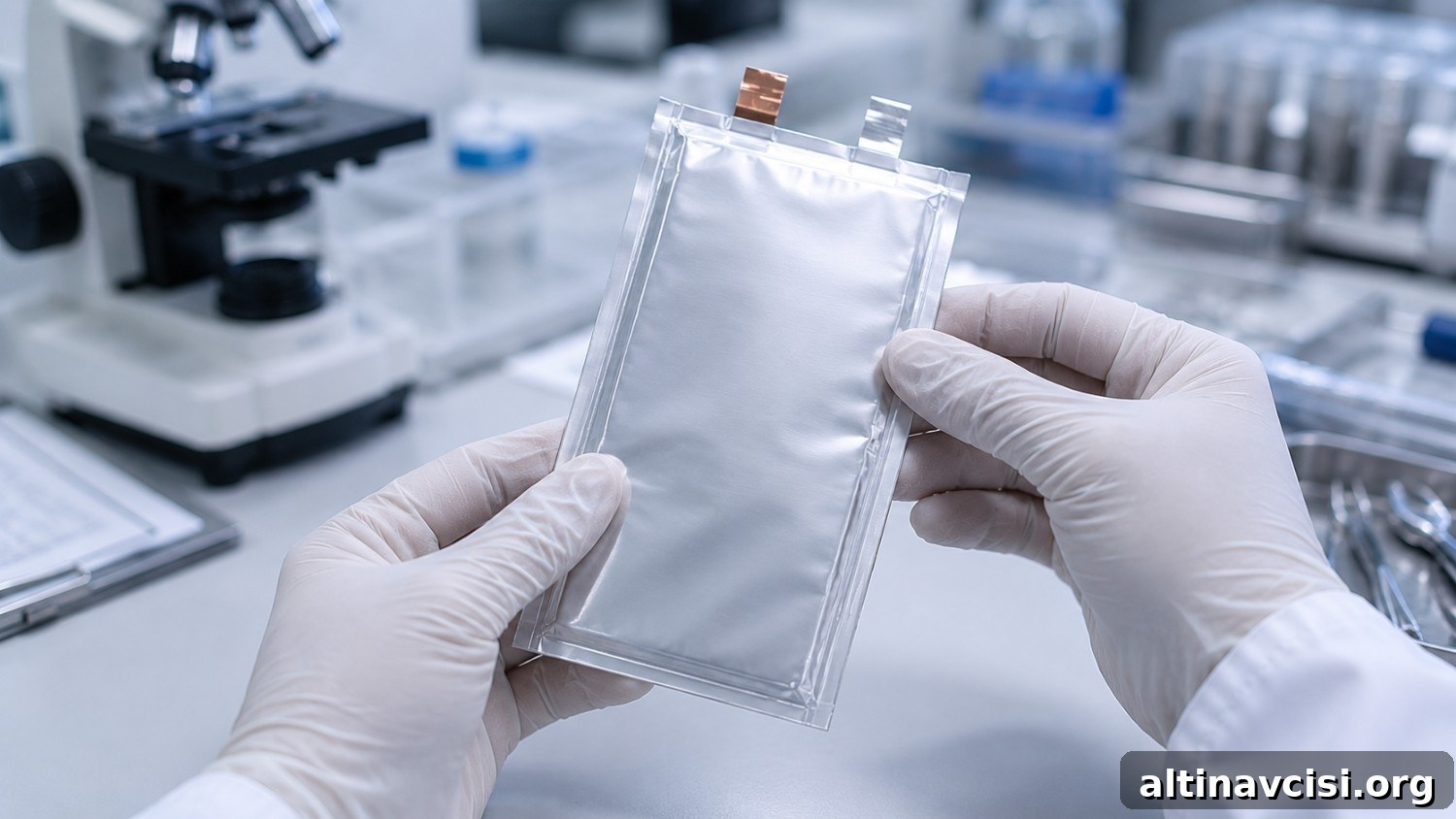
Key Takeaways
- Solid-state batteries can require roughly 1 kilogram (about 32 troy ounces) of silver per battery pack, versus approximately 25–50 grams in a conventional EV battery. There is currently no cost-competitive substitute for silver in critical electrode interfaces and thermal-management applications.
- Silver recorded a structural supply deficit for four consecutive years through 2024 — a shortfall of 148.9 million ounces in 2024 alone. Widespread SSB adoption would intensify an existing imbalance rather than create a new one.
- The lithium example is instructive: lithium surged after Tesla’s Battery Day because the market had not priced the scale of EV demand. The silver SSB opportunity remains largely unpriced today, offering potential upside for investors who understand the supply dynamics.
Tesla’s 2020 Battery Day reshaped how markets viewed a once-overlooked commodity. Lithium — previously treated as a mundane industrial input — rallied dramatically as investors who anticipated the demand shift positioned ahead of the curve. A similar, though distinct, story may be unfolding with solid-state batteries, and the metal at the center of that story is silver.
This is not a claim that solid-state batteries will follow any fixed timeline; commercialization has a history of delays. Instead, this is about positioning: understanding how growing SSB demand would interact with today’s already tight silver market.

Your Gold Buying Guide Most investors overpay when they buy gold and again when they sell. This guide explains what to own and why.
Why Do Solid-State Batteries Require So Much More Silver?
The mechanism behind silver’s larger role in solid-state batteries is not immediately obvious, which helps explain why the market has not fully priced it in.
Conventional lithium-ion cells rely on a liquid electrolyte to transport ions. In that design silver is a minor component — used in conductive inks and connections at roughly 25–50 grams per vehicle.
Solid-state batteries replace the liquid electrolyte with a solid ceramic or polymer. That change creates two areas where silver becomes essential.
First, electrode interfaces. The boundary between a solid electrolyte and the electrode is the most complex engineering challenge in SSBs. Leading designs, such as Samsung SDI’s anode-less approach, use a silver-carbon composite layer at this interface. Samsung SDI’s architecture calls for about 1 kilogram of silver per 100 kWh battery pack — a specification already moving toward mass production.
Second, thermal management. Silver is the most thermally conductive metal (about 429 W/(m·K), slightly higher than copper). Without a liquid electrolyte to help dissipate heat, silver-coated components provide efficient heat removal during high-rate charging. No lower-cost material currently matches silver’s combination of conductivity and manufacturability at scale.
Put simply: SSBs can require roughly 20 to 40 times more silver per vehicle than conventional lithium-ion packs. This is a specification driven by material and engineering choices, not mere speculation.
Is Silver Already Running Out of Supply?
Many analysts overlook the current supply picture when discussing SSB-driven demand. That omission is critical.
The Silver Institute’s World Silver Survey 2025 recorded a fourth consecutive annual supply deficit in 2024. Global demand reached about 1.16 billion ounces while supply was roughly 1.01 billion ounces, producing a shortfall of 148.9 million ounces. The cumulative deficit from 2021 through 2024 totaled about 678 million ounces — nearly ten months of global mine output drawn from above-ground inventories.
Industrial demand has been a primary driver, with record consumption led by solar photovoltaics, EVs, and electronics.
On the supply side, around 70% of silver is produced as a byproduct of mining for copper, zinc, and lead. That means silver production tends to follow the economics of other metals rather than silver’s own price, limiting how quickly new supply can be added in response to rising silver demand. As a result, forecasting by the Silver Institute suggested another deficit for 2025.
The practical implication: SSB-related silver demand would arrive into a market already drawing down inventories. It would not be filling a balanced market but deepening an existing shortfall.
Is Solid-State Battery Commercialization Actually Happening?
The short answer: commercialization appears closer than in past years, though uncertainty remains.
Battery innovations have long been described as perpetually near-term, because scale-up and manufacturing reliability are difficult. Still, the competitive landscape has shifted recently.
Toyota received production approval for SSBs in Japan in October 2025 and has set 2027–2028 as a commercialization target, supported by partnerships to build solid electrolyte supply. Samsung SDI announced plans for mass production in 2027 with cells targeting substantially higher energy density than current lithium-ion cells. QuantumScape and Volkswagen’s PowerCo reported validation milestones and a licensing agreement that targets volume production.
Even with conservative penetration, the potential demand impact is material. For example, if 5% of 25 million EVs in 2028 used SSBs, at 32 troy ounces of silver per pack, that would add roughly 40 million ounces of annual silver demand — about 27% of the current annual deficit on top of an already tight market.
What Does the Lithium Rally Tell Us?
The lithium rally after Battery Day offers both a lesson and a caution.
Where the analogy fits: Before 2020, lithium prices were relatively subdued. As EV manufacturers committed to scale, lithium carbonate surged sharply, reflecting a market that had not priced in rapid demand growth. Early investors who recognized the supply-demand gap benefitted materially.
Silver, trading at about $76 per troy ounce as of May 2026, has already rebounded from pandemic lows and reflects strong industrial demand. However, the market has not fully priced in a scenario where SSB production adds tens of millions of ounces of incremental annual demand to an already undersupplied market.
Where the analogy breaks: Lithium is almost purely industrial in value, whereas silver is driven by industrial use, monetary demand, and inventory dynamics. Silver’s price response to an SSB catalyst may therefore be more muted or delayed compared with lithium, but SSBs would be an additive demand source on top of existing structural support for silver.
What Does Mainstream Analysis Miss?
The common narrative treats SSBs as a potential future demand catalyst and watches for confirmation. That framing misses a key nuance: silver’s current valuation already reflects multiple years of deficits and record industrial consumption. What is not yet reflected is the marginal tightening that SSBs could introduce to a market already operating with declining inventories.
Silver was designated a U.S. critical mineral in 2025, recognizing its importance to economic and national security and highlighting vulnerability in its supply chain. That designation underscores silver’s unique position as both a monetary metal and a strategic industrial input.
Because SSBs are not yet in full-scale production, analysts tend to underweight that demand path. By the time SSB adoption becomes a mainstream narrative, the physical market could already be tighter. The opportunity to evaluate this before it is fully priced is now.
Stay On Top of Gold & Silver Prices
Get important market alerts sent straight to your inbox.
People Also Ask
How much silver does a solid-state battery use compared to a regular EV battery?
Samsung SDI’s SSB architecture specifies roughly 1 kilogram (about 32 troy ounces) of silver per 100 kWh pack, primarily in the silver-carbon composite anode layer. A conventional lithium-ion EV battery typically uses about 25–50 grams of silver in conductive inks and contacts — a difference of roughly 20 to 40 times more silver per vehicle for SSBs.
Why is silver used in solid-state batteries?
Two main reasons: interface stability and thermal management. Silver-carbon composites stabilize the interface between the solid electrolyte and electrode to reduce degradation, and silver’s high thermal conductivity makes it effective at dispersing heat in cells without liquid electrolytes.
Is there already a silver supply deficit?
Yes. The World Silver Survey 2025 reported a fourth consecutive annual deficit in 2024, with a 148.9 million ounce shortfall and a four-year cumulative deficit of about 678 million ounces. Forecasts anticipated another deficit in 2025.
When will solid-state batteries appear in commercial EVs?
Leading programs aim for initial commercial volumes in 2027–2028, with Toyota, Samsung SDI, and partnerships like QuantumScape and Volkswagen reporting progress. Early volumes are expected in premium segments, with broader adoption likely later in the decade.
Does the SSB thesis change the case for holding physical silver?
It strengthens the case as an additive factor. Silver already faces structural deficits and strong industrial demand; SSBs would add another persistent source of consumption. For many investors, physical allocated silver provides exposure to current market dynamics while offering optional upside if SSBs scale.
So What Should Silver Investors Do?
The thesis does not demand certainty on precise timelines. It asks investors to weigh asymmetric outcomes.
Bull case: SSBs commercialize on schedule, adding meaningful incremental demand to a market already running deficits. Monetary demand and strategic stockpiling compound the effect, potentially accelerating price appreciation.
Bear case: commercialization delays push adoption later, but industrial demand remains elevated, and deficits are still projected. The structural case for silver does not hinge solely on SSB timing.
A pragmatic position for capturing both outcomes is allocated physical silver. The SSB story acts as an optional upside while current deficits, critical-mineral designation, and monetary interest provide a foundational floor.
Disclaimer: This article is for informational and educational purposes only. It does not constitute investment advice. Please consult a qualified financial adviser before making any investment decisions.
SOURCES
1. Silver Institute — World Silver Survey 2025
2. Silver Institute / GlobeNewswire — Silver Industrial Demand Reached a Record 680.5 Moz in 2024
3. Samsung SDI Newsroom — SAMSUNG SDI to Present Essence of Super-Gap Battery Technology at InterBattery 2024
4. Samsung SDI Newsroom — 900Wh/L All Solid Battery Becomes Reality
5. Volkswagen Group — PowerCo Confirms Results: QuantumScape’s Solid-State Cell Passes First Endurance Test
6. Toyota Motor Corporation — Electrified Technologies: Batteries
7. Shanghai Metals Market — Toyota’s Solid-State Battery Layout: Mass Production in 2027
8. Electrive — Samsung SDI to Start Mass Production of Solid-State Batteries in 2027
9. U.S. Geological Survey — Lithium Minerals Yearbook 2022
10. U.S. Geological Survey / Department of the Interior — Interior Department Releases Final 2025 List of Critical Minerals
You may also like:
- Physical Gold vs. Digital Gold: Which Is the Ultimate Safe Haven?
- BRICS Is Hoarding Gold. Here’s What It Means for Your Portfolio.
- Gold to Oil Ratio: The Ultimate Guide for Economic & Portfolio Analysis
- Dollar-Cost Averaging Into Gold and Silver: The Investor’s Practical Guide
- The Silver-to-Dow Ratio: How to Spot the Shift from Paper to Physical
- What Moves Gold Prices? 6 Key Gold Price Factors Explained
- World Bank: Precious Metals to Surge 42% This Year
- Silver Price Outlook May 2026: Stop Chasing the Number