Senate Approves Sweeping Tax and Spending Bill
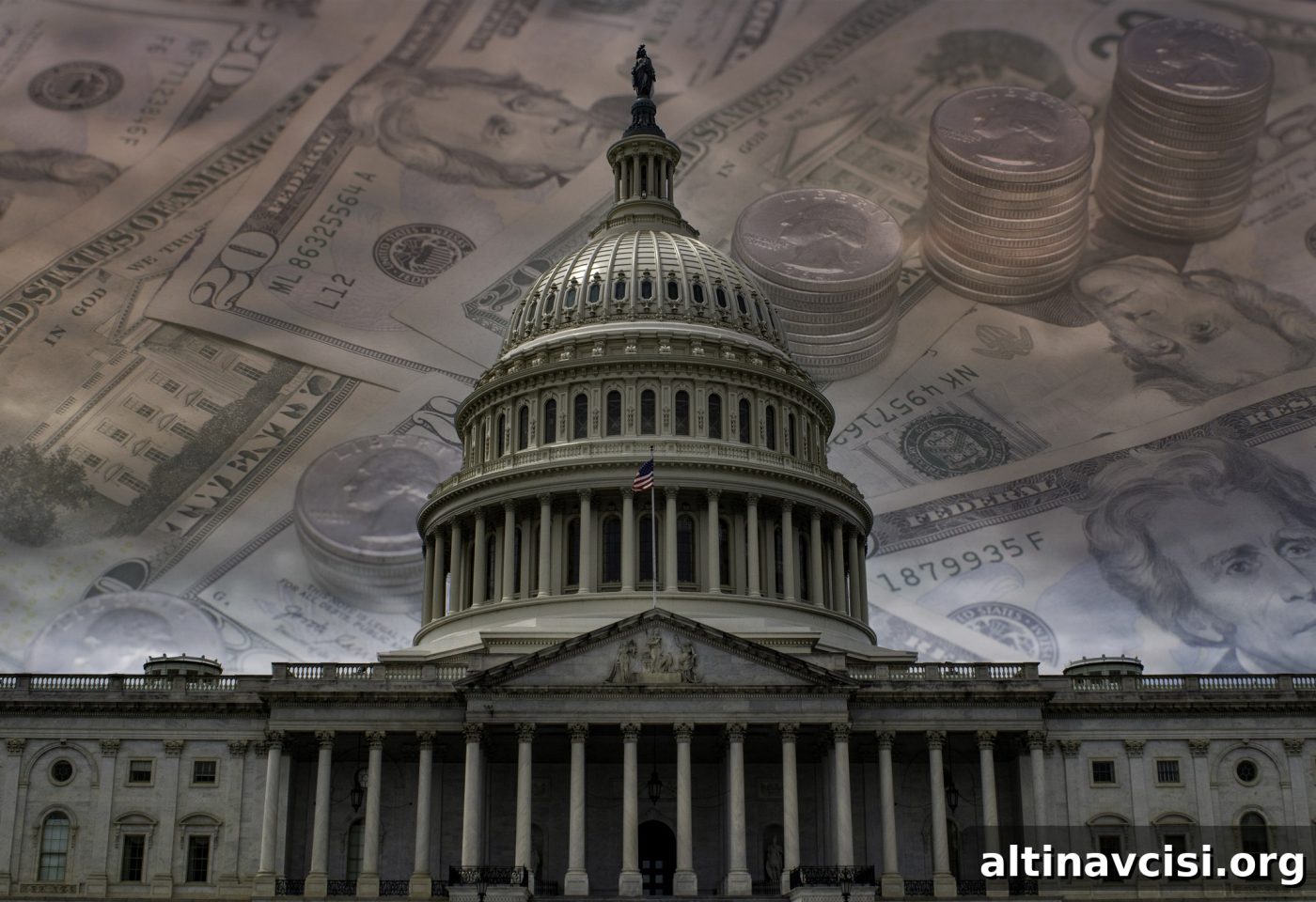
Senate Approves President Trump’s Major Tax and Spending Package
The Senate has passed President Trump’s major tax and spending package, a wide-ranging bill that extends the 2017 tax cuts and introduces a number of targeted tax measures. Lawmakers approved provisions intended to provide new tax relief to certain workers while also making significant changes to deductions, energy credits and federal spending programs.
Extension of 2017 Tax Cuts and New Worker Tax Breaks
The legislation extends the tax cuts enacted in 2017, maintaining those lower rate structures for another period. In addition to that extension, the bill introduces new tax breaks aimed at people who earn tips and those eligible for overtime pay. These targeted measures are designed to deliver direct relief to employees in service industries and to workers who qualify for overtime, reflecting an effort to address income and payroll dynamics for lower- and middle-income earners.
State and Local Tax (SALT) Deduction Changes
A notable change in the package is an increase in the state and local tax (SALT) deduction limit. For the next five years, the SALT deduction cap is raised to $40,000. This temporary increase alters the balance of federal and state tax interactions for taxpayers in higher-tax states and could influence filing strategies and liability for a sizable group of filers while the provision is in effect.
Medicaid Reductions and Impact
The bill includes substantial cuts to Medicaid funding, a measure that is projected to affect nearly 12 million Americans. Those reductions are among the most significant spending changes in the package and will likely have direct consequences for people who depend on Medicaid for health coverage. The scale of these cuts has raised concern among policymakers and advocacy groups focused on public health and access to care.
Changes to Clean Energy and Electric Vehicle Credits
The package also alters the schedule for tax credits tied to electric vehicles and certain clean energy projects. Under the new terms, tax credits for electric vehicles and some clean energy initiatives will end earlier than previously planned. This shift could affect the economics of EV purchases and investments in renewable energy projects, influencing both consumer decisions and industry planning.
Funding Priorities: Rural Hospitals, Defense and Immigration Enforcement
On the spending side, the bill provides $50 billion specifically allocated to rural hospitals. That funding is intended to support health care providers in rural communities, where hospitals often operate with tighter margins and face unique challenges. The package also includes major funding increases for defense and immigration enforcement, reflecting priorities in national security and border policy that are central to the overall spending framework.
Overall Balance and Implications
This tax and spending package combines tax relief elements with significant spending shifts and program reductions. By extending the 2017 tax cuts while raising the SALT deduction limit temporarily and creating targeted worker tax breaks, the legislation seeks to deliver immediate tax relief to a range of taxpayers. At the same time, earlier termination of certain clean energy credits and substantial Medicaid cuts mark notable changes in federal policy priorities. The allocation of $50 billion to rural hospitals and the increased funding for defense and immigration enforcement further illustrate the bill’s mix of domestic and national security objectives.
As the measure moves forward following Senate passage, observers will be watching how its provisions are implemented, how affected communities respond—especially those reliant on Medicaid and rural health services—and how the changes to energy credits and SALT limits influence both consumer behavior and broader economic activity. The combination of tax extensions, new worker-focused breaks, program reductions and targeted spending makes this package a defining piece of fiscal legislation for the period it covers.
Popular Topics
Picked from the archive
-
01
 Topics
US Economy Sees First GDP Decline Since 2022: Q1 Falls 0.3%
-
02
Topics
Tariffs Drive Up Consumer Prices as Inflation Rises
-
03
Topics
Bullion Premiums: How to Spot Fair Prices
-
04
Topics
Silver Approaches $40 Amid Tightening Supply and Trade Tensions
-
05
Topics
Russia Taps $1B Chinese Gold Market Amid Geopolitical Shift
-
06
Topics
Gold Prices Rise on Trade Tensions and Currency Moves
-
07
Topics
Goldman Sachs Sees Gold Price Reaching $4,000 by Mid-2026
-
08
Topics
Goldman Sachs: Central Bank Demand Pushes Gold Past Silver