Rising Gas Prices? How to Protect Your Savings

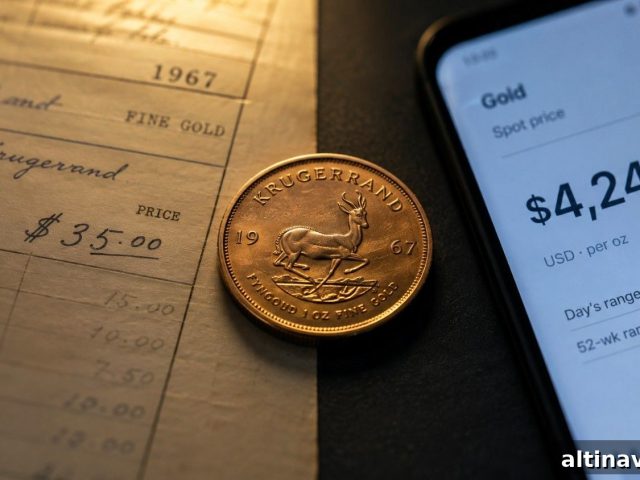
Gas prices are squeezing household budgets once again. This morning’s data point to a weakening mood among consumers: economists expect the University of Michigan’s preliminary October consumer sentiment survey to show a third consecutive monthly decline, dipping to about 47.6 from September’s final 48.1. That would leave sentiment only a few points above the record low of 44.8 recorded in May. The primary driver is high oil prices, and on the same morning both gold and silver moved higher—gold up roughly 1.2% to $4,184 an ounce and silver up about 2.3% to $60.53. Those parallel moves are not coincidental; they reflect the same underlying dynamic seen from two different perspectives.
Why Is Consumer Sentiment Expected to Fall Again This Month?
Brent crude has been trading above $100 per barrel this week, and that higher oil price ripples directly into everyday costs: gasoline at the pump, trucking and shipping fees, and home heating bills. Households feel those price changes immediately, while official inflation statistics typically lag by weeks. For that reason, consumer sentiment surveys often move ahead of headline inflation readings. If the UoM figure lands near 47.6, it will mark a third straight monthly decline and remain well below the long-term average, which sits near the mid-80s. In short, many households already feel a financial squeeze that government numbers have not yet fully reflected.

The Edge Every Investor Needs
Smarter precious metals investing starts here. The Nuggets Newsletter delivers essential market insight, Federal Reserve updates, global trends, and educational content for investors.
What Is Keeping Oil and Interest Rates Elevated?
The upward pressure goes beyond retail gasoline. Federal Reserve officials remain focused on bringing inflation back to the 2% target, and some regional Fed leaders have signaled that additional policy restraint may still be required. For example, St. Louis Fed President Alberto Musalem recently stated that “more monetary policy will be needed” to reach the inflation goal. In plain terms, the Fed sees inflation as unfinished business and is cautious about easing. At the same time, households are already paying higher prices now. Treasury yields softened slightly after solid demand at a recent long-bond auction, but the broader picture has not materially changed: oil prices are elevated, inflation is above target, and the central bank is not yet ready to declare victory. That combination keeps borrowing costs and market uncertainty higher than many consumers would prefer.
Why Did Gold and Silver Rally on the Same News?
The market reaction for gold and silver follows a familiar mechanism. When prices for everyday goods rise faster than the returns available from cash or bonds, real purchasing power erodes. In those conditions, some investors look to assets outside the traditional banking and bond system. Gold and silver do not yield interest, and their value does not depend on a government promise; instead, they are tangible stores of value that have historically preserved purchasing power during periods of currency weakness. The modest gains in gold and silver this morning are not a precise trading signal; they are a visible snapshot of a longstanding pattern: when the dollar’s purchasing power is under pressure, the precious metals complex often holds its ground or rallies as investors seek alternatives.
What Does This Mean for Long-Term Savers?
There is no need for alarm. A single sentiment reading, a one-day move in metals, or a short-lived spike in oil are small pieces of data on their own. Yet they sit within a much longer narrative about monetary policy and purchasing power that savers should understand. Monetary expansion and persistent inflation can slowly erode the real value of cash held in bank accounts. Over time, that effect can be meaningful: for long-term savers it highlights the difference between nominal bank balances and real purchasing power.
Investors who choose to include physical gold and silver in a diversified, long-term allocation typically do so not to speculate on short-term moves but to hold a portion of assets that may preserve purchasing power across economic cycles. The objective is to be positioned before the next headline, not to chase daily market noise. Understanding the mechanism—how inflation or currency weakness reduces purchasing power—helps investors build a plan that suits their goals and time horizon. When headlines arrive, a clear plan turns volatile news into manageable information rather than a source of anxiety.
Understand the mechanism first. Hold what offers protection to you. Then let the headlines come and go.
Stay On Top of Gold & Silver Prices
Receive timely market alerts delivered to your inbox.
Live price feed removed for privacy and to avoid embedded scripts.
SOURCES
1. FXStreet — “Gold Price Forecast: XAU/USD Rallies to $4,200 as US Yields Retreat”
2. FXStreet — “UoM Consumer Sentiment Index Expected to Decline in October Amid High Oil Prices”
3. TradingEconomics — “United States Michigan Consumer Sentiment”
4. GoldSilver Price Charts — “Live Gold & Silver Spot Prices”
Disclaimer: This article is for informational purposes only and does not constitute investment advice. Past performance is not indicative of future results. Always consult a qualified financial advisor before making investment decisions.
You May Also Like:
- Fed Governor Blames AI Chips for Inflation, Silver Falls
- Oil Jumps on Hurricane and Tanker Squeeze — Why Didn’t Gold Follow?
- China Just Made Its Biggest Gold Buy in Three Years — Why Did the Price Fall?
- Silver Is Falling Faster Than Gold Today. Here’s Why That Matters.
- Gold Fell 26% From Its Peak. Five Wall Street Voices Argue That’s the Wrong Read.
- Gold Rebounded After Falling to a Two-Month Low.
- Five Moves Quietly Rebuilding Gold’s Market Structure
- Gold Is Rising Today Despite a 24-Year-High Bond Yield.
- Gold’s Share of Central Bank Reserves Nearly Doubled. A Top Banker Explains Why.
Popular Topics
Picked from the archive
-
01
 Topics
Why Krugerrands Have No Face Value: What It Means for Investors
-
02
Topics
What’s Moving Gold and Silver Prices This Week
-
03
Topics
How Gold Prices Move During a US Dollar Crash
-
04
Topics
Why Social Security’s 3.6% Raise Was Deliberately Delayed
-
05
Topics
5 Forces Moving Gold and Silver Today That Point to One Signal
-
06
Topics
K-Shaped Economy: How Asset Owners Gain and Wage Earners Lose
-
07
Topics
FOMC Meeting Explained: How Fed Decisions Impact Gold
-
08
Topics
Wall Street’s $6,000 Gold Call Relies on Hidden Data