
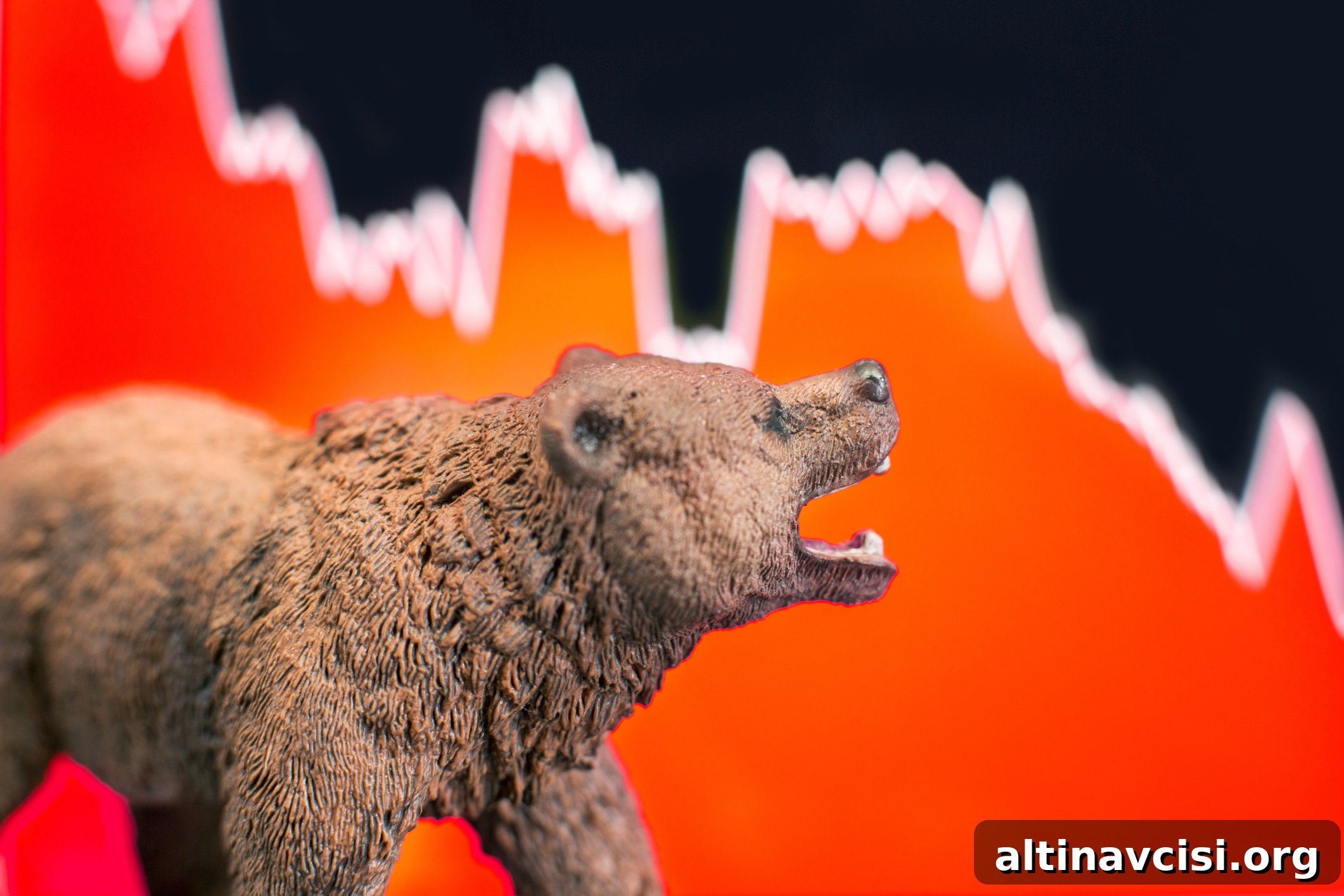
The U.S. economic outlook for 2025 is sending mixed and sometimes contradictory signals about the likelihood of a recession. On one hand, several conventional warning signs have emerged: gross domestic product fell by 0.2% in the first quarter of 2025, consumer spending has slowed, and renewed tariff policies under the current administration have contributed upward pressure on prices. Many business leaders are bracing for trouble — a recent survey found that 83% of chief executives expect a recession within the next 18 months — and the yield curve has been inverted since July 2022, a pattern that historically precedes recessions.
Despite those concerns, there are notable reasons for caution about declaring a recession inevitable. The unemployment rate remains near historically low levels at about 4.2%, suggesting the labor market is still relatively tight. Retail sales rebounded with a 1.4% increase in March, signaling continued consumer activity in some areas. The Federal Reserve has held interest rates steady in recent meetings, which can support growth by avoiding additional tightening. Together, these factors indicate that underlying economic fundamentals are not uniformly deteriorating.
Some analysts have coined the term “vibecession” to describe the current environment: widespread pessimism and recession talk that may be out of step with actual economic data. In this view, negative narratives can amplify fears among consumers and investors even when headline indicators are not uniformly consistent with a deep downturn. That said, the presence of both negative and positive indicators creates genuine uncertainty, and reasonable arguments can be made on both sides of the debate.
Given the ambiguity, many financial advisers and experts emphasize practical preparedness rather than attempting precise timing of a recession. Recommended steps include trimming nonessential spending, delaying discretionary big-ticket purchases that can be postponed, accelerating debt repayment where feasible, and building or maintaining an emergency fund sufficient to cover several months of expenses. These measures reduce vulnerability to income shocks or tighter credit conditions regardless of whether a full recession arrives.
Another area to watch is inflation. Tariff-related price effects and other supply-side disruptions can push consumer prices higher, eroding real incomes and weighing on demand. If inflation persists at elevated levels while wage growth remains uneven, policymakers may face a trade-off between containing price pressures and supporting growth. That trade-off is one reason the Fed’s decisions on interest rates will remain central to how the economy performs in the coming quarters.
Labor market dynamics will also be critical to the overall outlook. Even if headline unemployment remains modest, other labor indicators — such as labor-force participation, underemployment, and wage growth in lower-income sectors — could reveal strain that headline unemployment rates do not capture. If layoffs become more widespread or if hiring slows markedly, consumer confidence and spending could weaken more quickly than currently expected.
Investor sentiment, corporate balance sheets and capital spending plans are additional variables that will shape the path ahead. If businesses delay investment in response to uncertainty, that could reduce productivity gains and slow growth. Conversely, healthy corporate profits and investment could sustain expansion despite headline GDP weakness. Monitoring corporate earnings reports, capital expenditure announcements and hiring plans can provide early clues about where the economy is headed.
In short, the U.S. economy in 2025 presents a mixture of warning signs and stabilizing forces. Small but meaningful GDP contraction, inversion of the yield curve and broad CEO expectations point toward downside risk, while relatively low unemployment, a surge in retail sales and a stable Fed rate policy argue against an immediate severe downturn. Because the evidence is split, a balanced, precautionary approach to personal finances and careful attention to evolving economic data and policy decisions remain prudent strategies for households and businesses alike.