
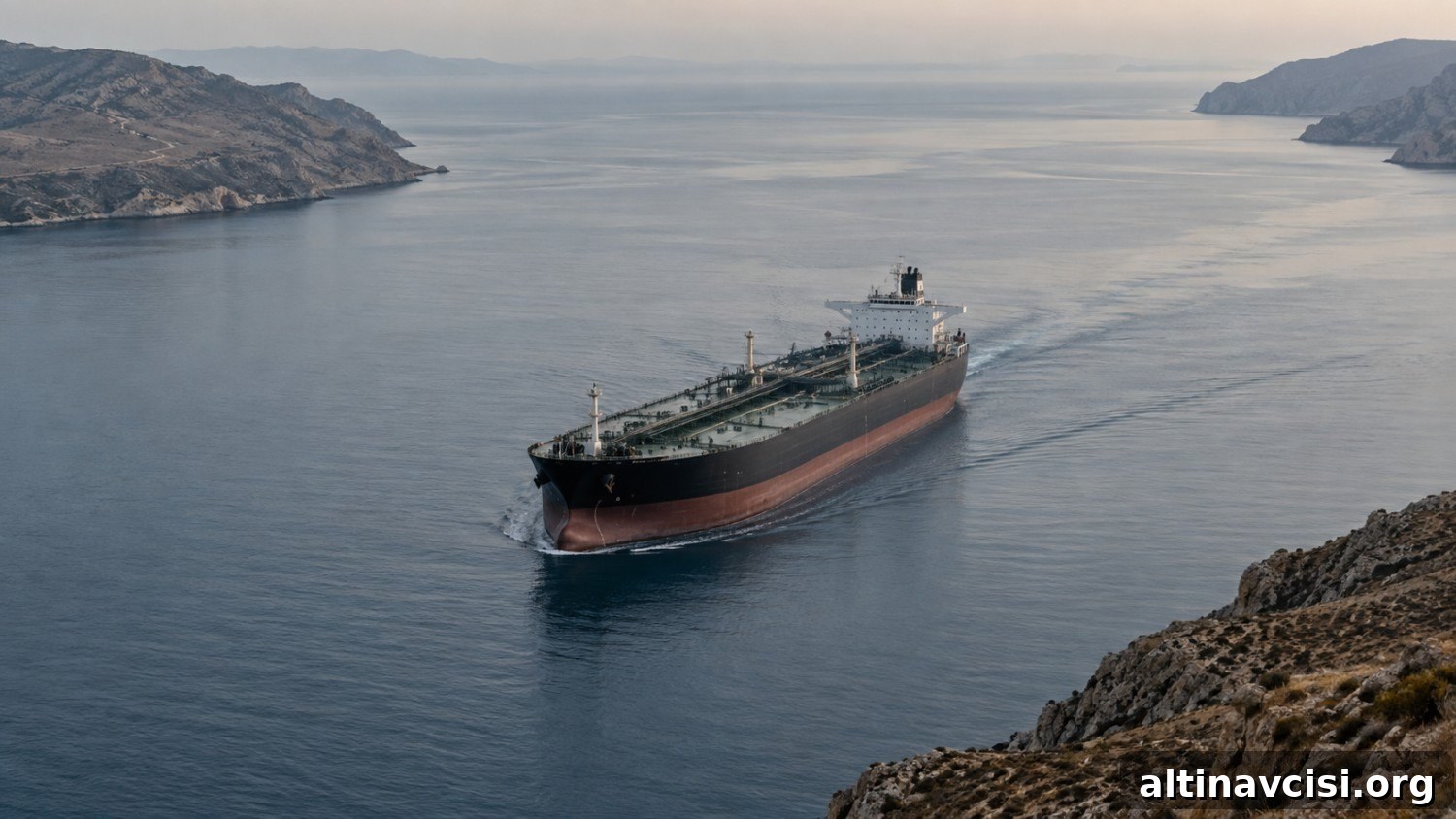
The Islamic Revolutionary Guard Corps (IRGC) reported that it struck and detained a tanker in the Strait of Hormuz on Friday. Another account noted a separate vessel hit nearby, but it is unclear whether that describes the same tanker. The incident followed President Trump’s comment to Axios that he faces a “big decision” regarding Iran. Despite the tense headlines, precious metals moved only modestly: gold traded around $4,352.29 per ounce, up roughly 0.24% on the session, while silver climbed to about $66.35, rising approximately 1.74%. Oil prices barely budged. That divergence between dramatic news and muted market moves deserves explanation.
What Did Iran’s Revolutionary Guard Just Do in the Strait of Hormuz?
According to the IRGC Navy, the Togo-flagged tanker Trend was struck and detained late Thursday after what Iran described as an illegal passage through the strait. The IRGC said the vessel caught fire and stopped. Separately, the UK Maritime Trade Operations agency (UKMTO) reported that an unidentified vessel was struck by an unknown projectile near Khasab, Oman, at roughly the same time. UKMTO did not identify the vessel, and multiple news accounts noted uncertainty about whether the two reports refer to the same ship. Reports named crew members as safe.
President Trump’s remarks appeared in the same news cycle. He told Axios he was weighing whether to take decisive action against Iran’s government or to hold back, saying “anything could happen with me,” ahead of scheduled meetings with Gulf leaders at the UN General Assembly next week. The rhetoric heightened geopolitical risk perceptions, but markets responded in a more measured way.

The Edge Every Investor Needs
Smarter precious metals investing starts with clear, timely information. This coverage focuses on market drivers, policy shifts, and practical considerations for investors in gold and silver.
Why Isn’t Oil Reacting to the Escalation?
After an early session drop, Brent crude pared losses and settled only marginally lower—trading around $104.64 per barrel—while West Texas Intermediate (WTI) actually moved higher to roughly $103.05. Both benchmarks had been headed toward a third consecutive daily decline before this intraday swing. That muted response to a Hormuz tanker strike and heightened political threats seems counterintuitive, but the underlying reason points to Saudi Arabia’s tactical adjustments rather than to Iran.
Saudi operators are routing more crude around the Strait of Hormuz using shuttle vessels that transfer oil to tankers waiting outside the most dangerous waters. These ship-to-ship transfers near Sohar, Oman, have risen substantially—helping keep global flows moving despite heightened risk in the strait. Trading and shipping data show daily transfers rising month over month, indicating a deliberate effort to limit disruptions to supply. Market participants interpret some of the earlier price moves as an unwind of previously priced-in risk rather than an abrupt change in actual supply availability.
What Is Saudi Arabia Doing to Route Around the Damage?
A September 10 drone strike damaged Saudi Arabia’s East-West pipeline, which normally carries crude to the Red Sea and away from the Strait of Hormuz. Aramco has said it can restore roughly half of the pipeline’s flow within days and expects full repair in several weeks. In the interim, the shuttle-vessel workaround is covering most buyer demand worldwide.
European refiners have been more exposed to the pipeline disruption. Reports indicate that some European buyers were notified they would not receive contracted monthly shipments, and several refiners had September cargoes delayed or canceled. In short, while global supply has largely been preserved by alternate logistics, Europe’s routine pipeline-fed deliveries have faced more direct disruption.
Why Are Gold and Silver Only Modestly Higher Today?
Gold’s movement today reflects changes in real yields more than headline risk. The 10-year U.S. Treasury yield hit multi-year highs earlier in the week, and even a small pullback can support bullion. With the yield easing slightly from its recent peak, gold found modest upward momentum. Oil has not spiked in response to the tanker strike, so the usual chain—higher oil raising inflation fears, lifting nominal rates and real yields, and pushing gold lower—has not been triggered cleanly.
Silver’s larger percentage gain fits its pattern of greater volatility and its mix of monetary and industrial demand. When precious-metals markets move, silver often rallies more strongly than gold due to its smaller market size and industrial exposure.
What Does This Mean for the Sound Money Thesis?
The broader takeaway is that a single tanker incident does not fundamentally alter established financial arrangements. Gulf oil producers have long traded crude in dollars and recycled revenues into a mix of U.S. Treasury holdings and gold reserves. Those arrangements are under strain, but logistical workarounds—pipeline repairs, shuttle transfers, and alternate shipping lanes—reduce the immediate shock to that system. Gold and silver remain sensitive to changes in real rates, dollar strength, and shifts in oil logistics; they respond to the practical flow of money and commodities rather than to any single headline.
Stay On Top of Gold & Silver Prices
Get important market alerts sent straight to your inbox.
SOURCES
1. Al Jazeera: coverage of the IRGC report and related developments.
2. CBS News: live updates on incidents in the Strait of Hormuz and related statements.
3. AFP reporting via regional news outlets: initial account of an oil tanker strike with unconfirmed vessel identity.
4. Market commentary on oil prices, Saudi logistics, and pipeline repairs from major business news outlets.
5. Treasury yield and Federal Reserve comments from public market data and official statements.
6. Reporting on Saudi Aramco notifications to European refiners regarding cargo adjustments after pipeline damage.
7. Trade and shipping data analyses on ship-to-ship transfers and alternative routing.
Disclaimer: This article is for informational purposes only and does not constitute investment advice. Past performance is not indicative of future results. Consult a qualified financial advisor before making investment decisions.
You May Also Like:
- Rates Just Went Up Twice. Five Reasons Gold Didn’t Care.
- The Bank of Japan Just Hiked to a 31-Year High. Gold Barely Noticed.
- The Fed Hiked. The Bank of England Held. They Landed on the Same Rate.
- Jobless Claims Just Beat Estimates. Gold Rallied Anyway. Here Are Four More Signals Behind It.
- Gold and Silver Rip Higher as the Fed-Hike Selloff Reverses
- The Fed Just Hiked. 16 of 18 Officials Say It’s Not Done.