
Written by: The MacroButler
Investors who do real research quickly learn they face two basic choices: contracts or properties. Contracts—cash and bonds—are promises. Properties—gold and stocks—are ownership of real things.
Economist Harry Browne created the Permanent Portfolio, a straightforward, all-weather allocation of four uncorrelated assets: stocks, bonds, gold, and cash at 25% each. It’s simple, diversified, and designed to survive a wide range of economic conditions by balancing different asset behaviors.
On the contracts side, Cash (or short-term Treasuries) acts like a financial mattress—stable in downturns and ready to deploy when opportunities appear. On the same side, Bonds are loans to governments or companies that pay interest and return principal; they perform when rates decline but suffer when defaults or inflation occur.
On the properties side, Gold and Stocks represent real ownership. Gold functions as insurance against systemic risk and monetary mismanagement. Stocks represent ownership of businesses—powerful in expansions but volatile during contractions.
In short: contracts say “trust me,” while properties say “own me.”
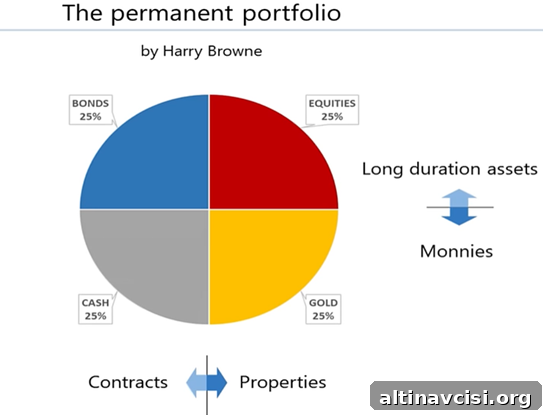
By combining contracts (which can lose value through default or inflation) with properties (which tend to hold value), Browne’s approach balances risk across asset types. It’s a financial toolset intended to weather inflation, deflation, booms, and busts.
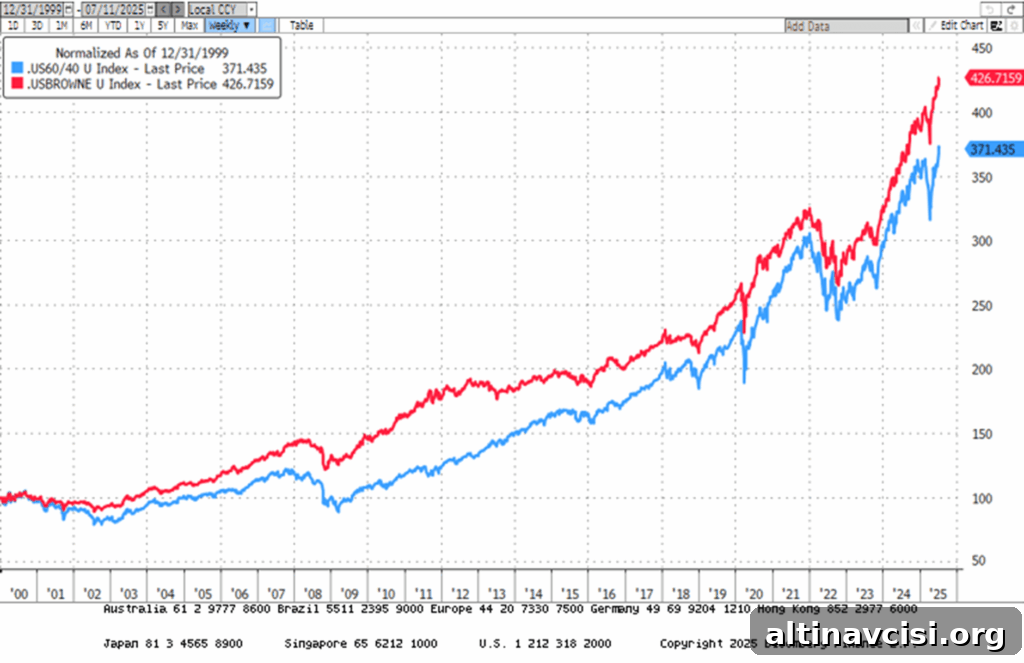
Contrast that with the classic 60/40 portfolio—60% stocks, 40% bonds—a long-standing industry standard that benefited from decades of falling interest rates. But in today’s environment of rising rates, persistent inflation, and geopolitical stress, the 60/40 mix faces new challenges and may no longer be as resilient as it once was.
Performance of $100 invested in the US 60/40 Portfolio (blue line); US Browne Portfolio (red line) since December 31st, 1999.
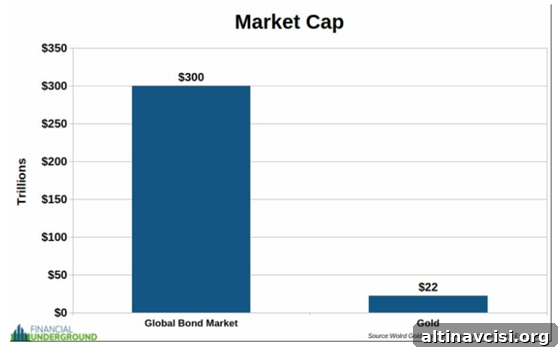
A persistent myth in finance is that U.S. Treasuries are “risk-free.” Since the dollar left the gold standard in 1971, government debt gained prominence as a perceived safe asset. The global bond market has grown enormously as a result.
By comparison, the value of all gold ever mined is relatively small. That imbalance highlights a shift in how some institutions view reserves and risk. Central banks and investors increasingly question whether long-term government debt remains the reliable hedge it once was.
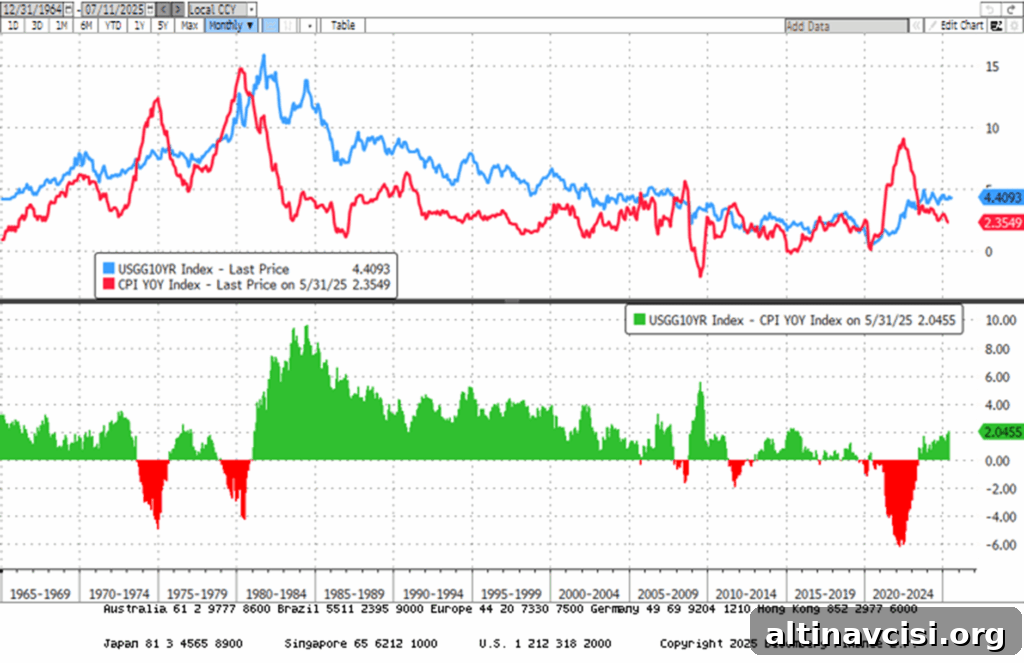
Given current fiscal dynamics—rising deficits, sticky inflation, and shifting foreign demand for U.S. debt—long-term yields are unlikely to trend sharply lower without meaningful changes in policy. That reality increases the risk that bond returns will be less attractive going forward.
US 10-Year Yield (blue line); US CPI YoY Change (red line) & Spread between US 10-Year Yield & US CPI YoY Change (histogram).
Recent fiscal policy discussions and major legislation have complex budgetary impacts. Some proposals present front-loaded benefits with delayed savings, often creating longer-term fiscal pressures and potential cliffs that may require future action to avoid larger deficits.

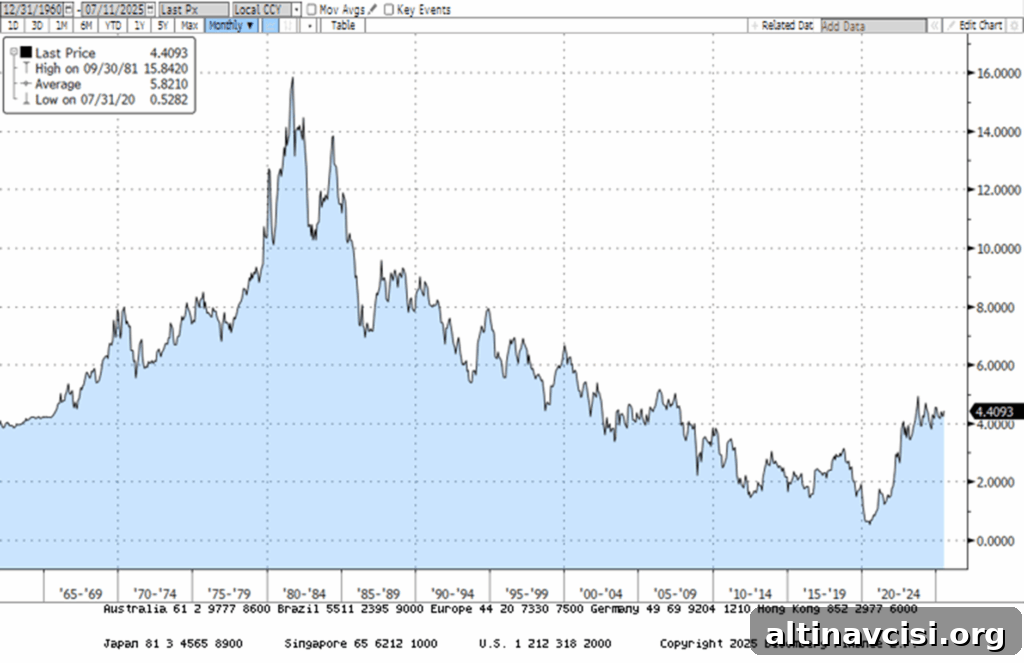
Even if short-term growth is little affected, persistent deficits and higher debt issuance raise the probability that yields will need to rise at some point. As investors diversify away from long-duration sovereign debt, demand for higher yields is a likely outcome.
US 10-Year Yield since 1961.
Issuing more short-term bills instead of long-term bonds shortens the average maturity of government debt and increases rollover risk. That approach can support market liquidity and boost risk assets in the short term, but it also makes the fiscal position more sensitive to shifts in investor sentiment.
Ratio of US Total Debt Outstanding Bills to US Total Government Debt (blue line); S&P 500 Index (red line).
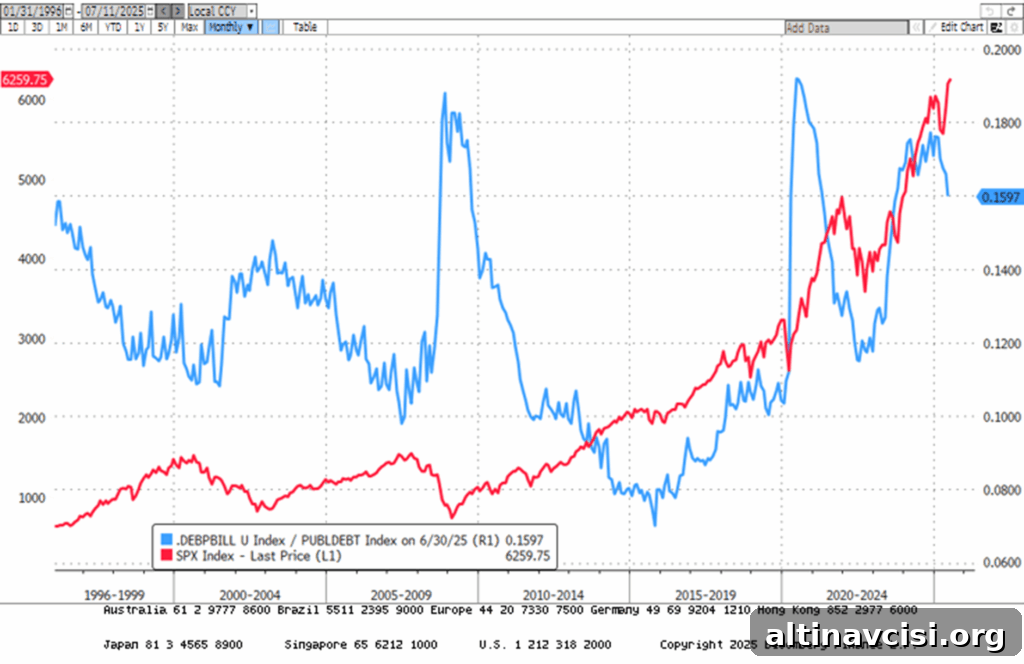
Shorter-dated issuance can increase the “money-ness” of debt and push investors toward higher-yielding and riskier assets. At the same time, this funding strategy can create incentives for central banks and investors to seek alternatives that reduce exposure to rapidly rolling debt.
Ratio of US Total Debt Outstanding Bills to US Total Government Debt (blue line); Gold price in USD Terms (red line).
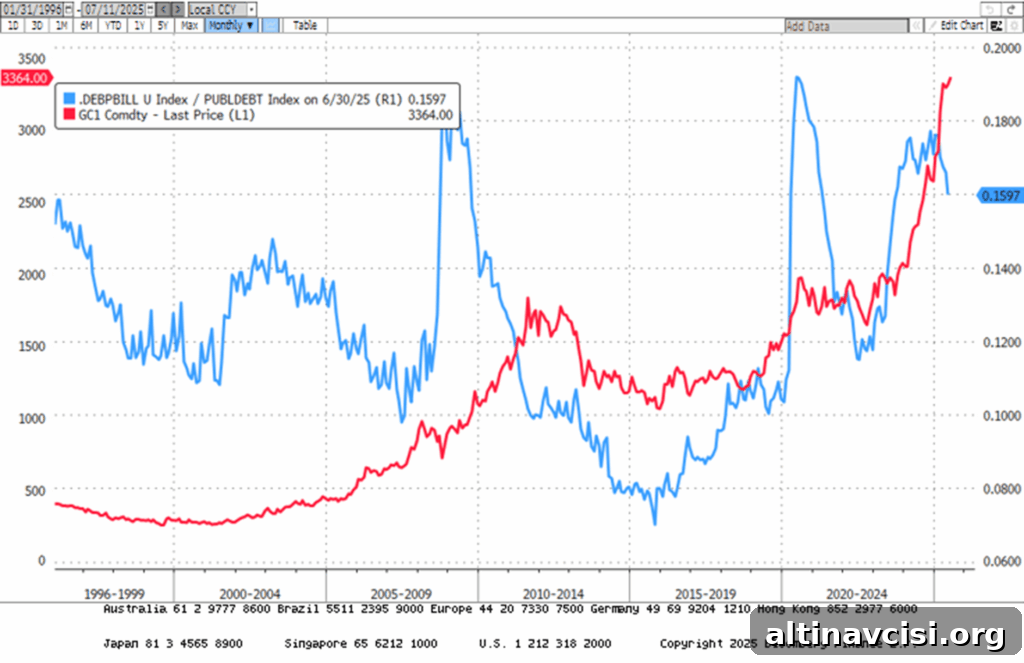
As fiscal strategies and geopolitical tensions evolve, central banks—especially outside the Western bloc—have increased their gold purchases. Physical gold carries no counterparty risk, and for some reserve managers it offers protection against sanctions, currency risks, and policy unpredictability.
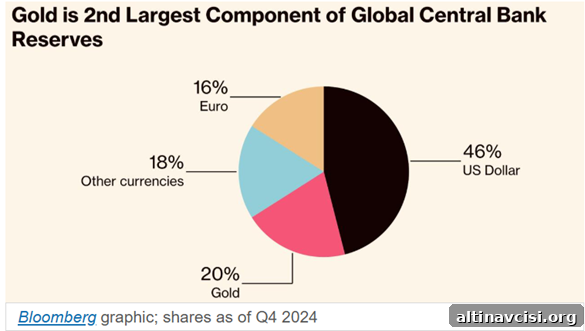
Official reserve mixes reflect this shift: gold’s share of reserves has grown in recent years, driven by sustained central bank purchases. Some of those purchases are not always transparent in real time, but the cumulative effect is clear—official holdings are near multi-decade highs.
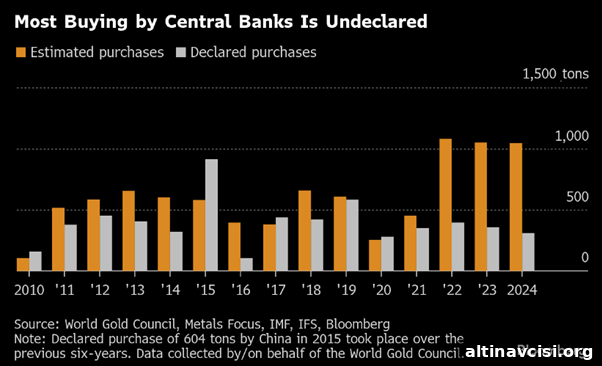
Policy choices that weaponize currency or impose sanctions can accelerate demand for non-sovereign reserves. For many reserve managers, diversifying into gold is a way to reduce exposure to geopolitical and monetary risks tied to any single currency.
In recent years central bank buying has been concentrated in several key countries and regions, and this trend has coincided with stronger retail demand across Asia. Asian retail buyers and regional ETFs have shown notable growth, reflecting local preferences and long-standing cultural demand for bullion.
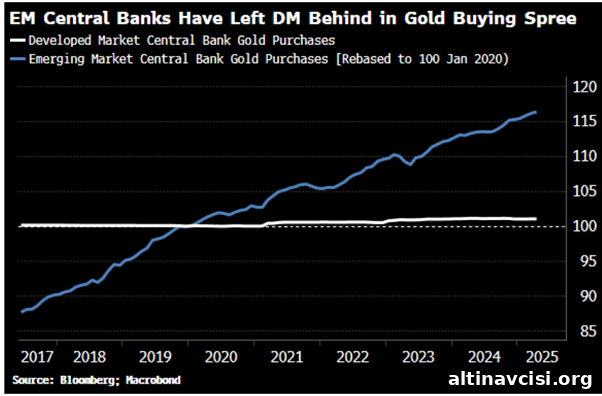
Gold’s role as a crisis hedge has been reinforced by concerns about currency use in geopolitics, deposit freezes, and shifting reserve strategies. Small reallocations away from dollar assets into gold could have outsized effects on price because the gold market is relatively small compared with global bond and currency markets.
That dynamic helps explain why many investors and institutions view physical precious metals as an essential part of reserve and portfolio diversification today.
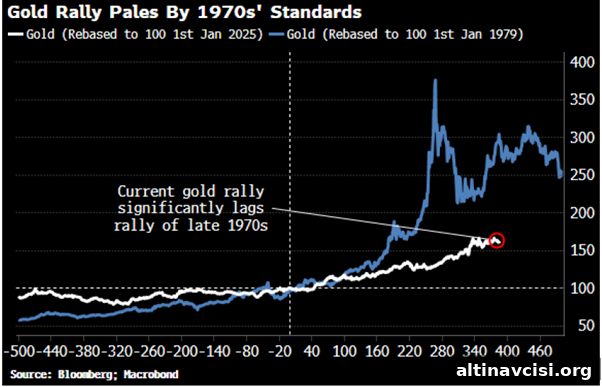
While gold may consolidate at times—especially during short-term easing of geopolitical tensions—its long-term case is driven by structural fiscal dynamics, central bank buying, and the limited supply of newly mined metal.
As trust in public institutions and fiat currencies declines in some regions, demand for non-counterparty assets such as physical gold and silver is likely to continue rising. That makes precious metals an important consideration for investors focused on capital preservation.
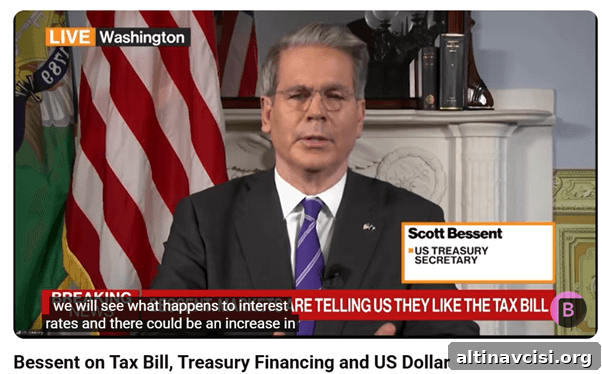
Bonds, once viewed as a safe harbor, now face structural headwinds from inflation, fiscal deficits, and shorter debt maturities. For many investors, holding long-duration sovereign bonds as a core diversifier is less attractive than it used to be.
The global bond market’s size means a reallocation away from fixed income into real assets could trigger significant shifts in asset prices. Historical episodes show that changes in reserve preferences and monetary regimes can have dramatic effects on relative values.

Savvy investors prioritize tangible assets and strategies that protect the return of capital. Physical gold and silver remain reliable hedges against monetary debasement and political risk. Broader commodities also provide protection against supply-chain disruptions and inflationary pressures.
Cash and short-duration USD investment-grade instruments can preserve liquidity and provide flexibility. In fixed income, favoring shorter durations and high-quality corporates can reduce sensitivity to rising yields.
In equities, focus on lean companies with low debt and strong cash flow—businesses that can withstand higher input costs, benefit from reshoring trends, or profit from rising defense and infrastructure spending.
KEY TAKEAWAYS
- Investors must choose between trusting contracts (cash and bonds) and owning real assets (gold and stocks).
- Perceived safety of U.S. Treasuries has supported a very large global bond market, but that perception is increasingly questioned.
- Short-term bill issuance can support markets in the near term but raises rollover risk and can push investors toward real assets like gold.
- Central banks, especially outside the West, have been buying gold to reduce counterparty and geopolitical risk.
- Physical gold and silver remain effective hedges for preserving capital amid fiscal and monetary uncertainty.
- Long-duration government bonds face substantial risks; shorter-duration, high-quality fixed income is a more defensive choice.
- Expect higher volatility and lower inflation-adjusted returns for risky assets in the foreseeable future.

Invest Now

Invest Now

Invest Now

Invest Now
HOW TO TRADE IT?
As of mid-2025, the U.S. is experiencing inflationary pressures that can accelerate a shift from growth assets to capital-preserving assets. Investors should stay disciplined, use market data to anticipate business-cycle changes, and avoid reacting to short-term narratives.
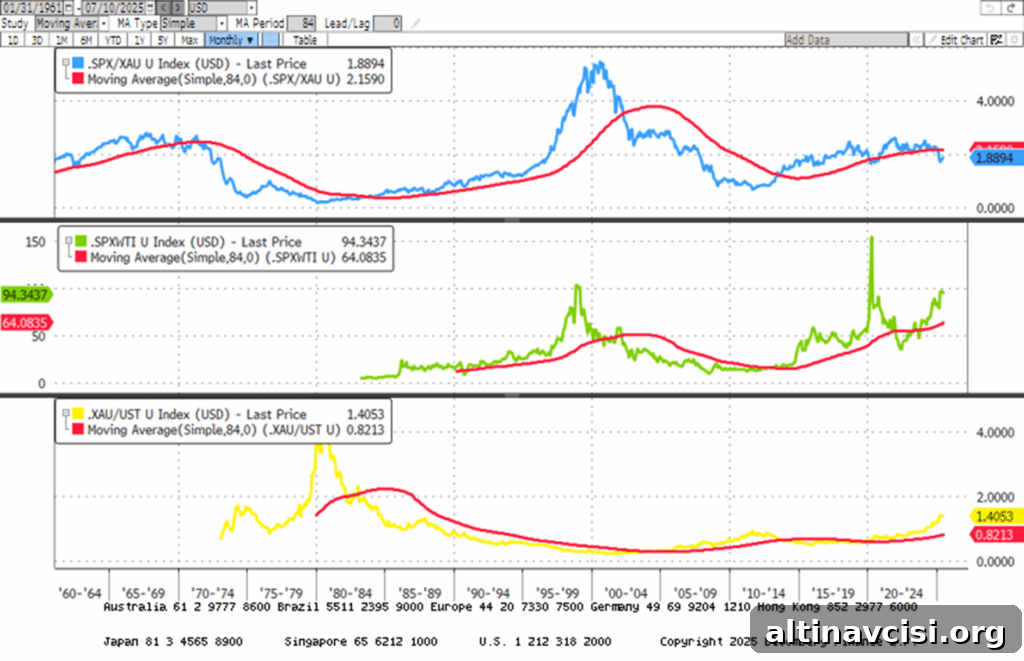
Government overspending and monetary policy complicate the outlook. Consumers now feel inflation directly, driving interest in assets that preserve purchasing power. The bond market is a critical indicator: rising yields amid policy easing signals structural stress.
When inflation erodes real value, the effective default occurs through debasement. That risk makes real assets and short-duration, high-quality fixed income more attractive for capital preservation.
Performance of $100 invested in Gold (blue line); S&P 500 index (red line); Bloomberg US Treasury Index (green line); Bloomberg US Treasury Bill: 1-3 Months Index (purple line) adjusted to US CPI Index since December 31st, 2019.
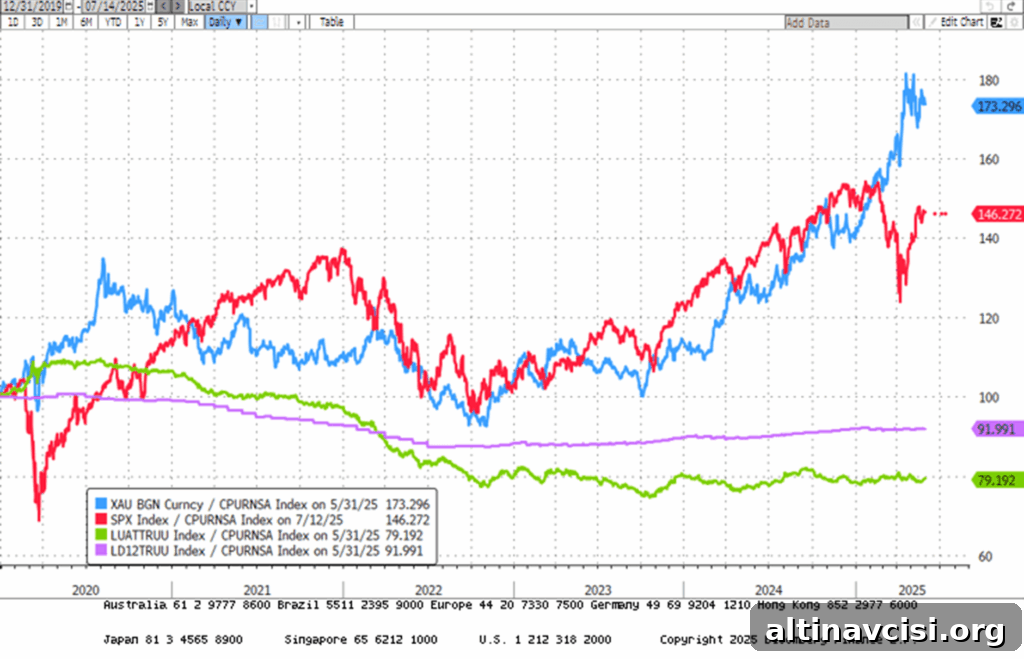
Volatility and geopolitical risk are likely to remain elevated. In that environment, physical precious metals offer tangible protection without counterparty risk. For many investors focused on preserving capital, bullion should be part of a diversified plan.
Gold has a long track record as a store of value. As debt levels and fiscal uncertainty grow, tangible assets and defensive positioning matter more than ever.
“Gold is a treasure, and he who possesses it does all he wishes to in this world.”
If you want deeper analysis from the original author, look for the MacroButler’s full write-up.