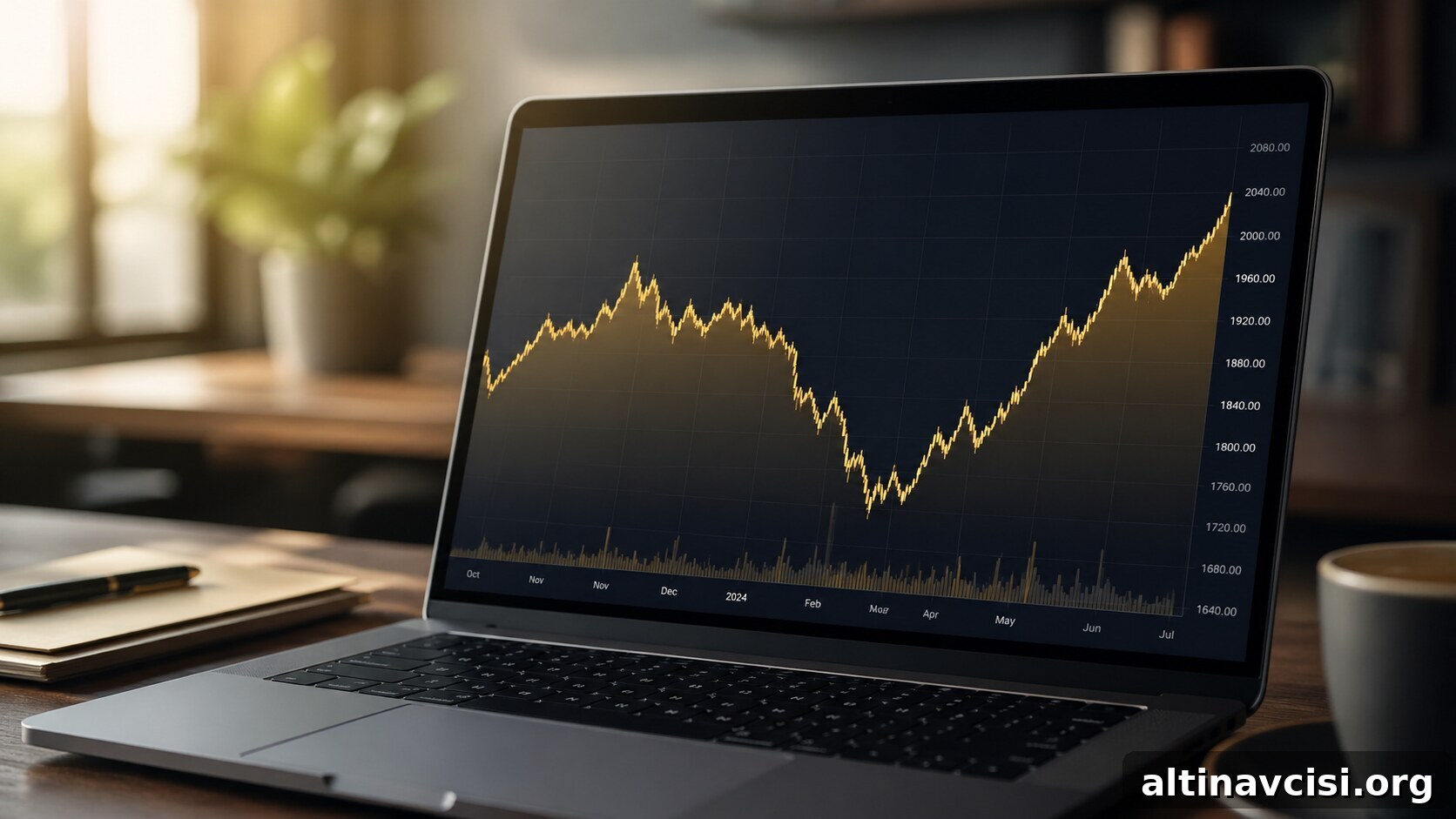
A gold or silver price dip is a short-term decline inside a longer-term uptrend — a normal and often healthy correction that can create buying opportunities. A trend reversal is different: it reflects a structural shift in the macro environment that requires reassessing positions. Context is the key. If real yields aren’t climbing sharply, the US dollar isn’t in a sustained uptrend, and central banks continue to accumulate gold, the move is almost certainly a correction rather than the start of a deeper decline.
When gold or silver falls sharply, investors face a rapid decision: is this a temporary dip or a true trend reversal?
That distinction matters. Corrections within a broader uptrend let disciplined investors add positions at lower prices. A genuine reversal, by contrast, indicates a meaningful change in fundamentals and calls for a fresh evaluation of strategy.
When prices drop 2%–5% in days, the two scenarios can feel identical. Newer investors often react emotionally — selling out or abandoning a plan. Experienced investors, however, look for signals that reveal why prices are moving rather than reacting to the move itself.
What Is a Gold or Silver Price Dip?
A price dip in gold or silver is a short-lived decline that occurs inside a broader upward trend rather than a reversal. The difference comes down to duration, magnitude, and cause. Typical pullbacks for gold are in the 1%–3% range over several days, while silver — being more volatile — often moves 2%–5% during similar episodes.
Pullbacks provide an important market function: they clear speculative excess, reset crowded positions, and offer lower-cost entry points for long-term investors. In short, dips can be constructive.
Common triggers for pullbacks include:
Rising Treasury yields: Gold and silver pay no income, so higher US Treasury yields raise the opportunity cost of holding metals. Gold’s long-term inverse relationship with real (inflation-adjusted) interest rates is well documented — when real rates climb, non-yielding assets typically become less attractive.
A stronger US dollar: Gold is priced in dollars worldwide. A firmer dollar makes gold more expensive for international buyers, reducing demand and pressuring prices.
Profit-taking after a rally: Strong rallies prompt traders to lock in gains and unwind crowded long positions. Prices can fall even when the fundamental investment thesis remains intact — positioning simply needs to be reset.
Sentiment extremes: Overly one-sided bullishness makes markets fragile. Small catalysts can trigger outsized declines, which often clear the way for the next leg higher once sentiment normalises.
Understanding why prices are falling matters more than the fact that they have fallen.

Your Gold Buying Guide Most investors overpay when they buy gold and again when they sell. This guide explains what to own and why.
How Do Gold and Silver Behave Differently During a Correction?
One of the clearest signals in a pullback is the relative movement between gold and silver.
Silver is inherently more volatile than gold. Its market is smaller, it is more exposed to industrial demand cycles, and it attracts greater speculative activity. Research shows silver’s volatility has historically been roughly double gold’s, a gap that persists across cycles. Practically, silver tends to fall faster in risk-off episodes and then recover more sharply when sentiment improves.
Historical episodes illustrate the pattern. In 2014, silver slid nearly 20% while gold fell under 1%. In 2018, silver dropped around 9% versus gold’s 1.5–2% decline. Conversely, in 2020 silver surged almost 48% compared with gold’s roughly 25% gain. Greater downside in weak periods, greater upside in strong ones — that is silver’s trade-off.
Investors commonly use the gold-to-silver ratio to track this divergence. The ratio shows how many ounces of silver buy one ounce of gold. When the ratio rises during a pullback, silver is underperforming — typically a sign of short-term risk aversion rather than a fundamental change in either metal’s outlook. Over the past decade the ratio has swung widely, from about 65:1 at its tightest to near 125:1 during extreme stress. Those swings matter when deciding allocations between the two metals.
Savvy investors treat the ratio as an active tactical tool rather than mere curiosity.
How Do You Tell a Healthy Correction from a Real Warning Sign?
Not every dip is a buying opportunity. Knowing the difference separates disciplined investors from reactive ones.
A pullback is likely a healthy correction when:
- The decline follows a sharp, momentum-driven rally rather than a fundamental change
- Retail participation was elevated before the drop
- The macro backdrop — yields, the dollar, central bank policy — has not shifted materially
- Gold holds near key support levels while silver leads the weakness
A pullback may signal deeper risk when:
- Real yields are rising on a sustained basis
- The US dollar is strengthening persistently without signs of reversal
- The Federal Reserve signals a clear and lasting shift toward tighter policy
- Price breaks below major technical support on meaningful volume
- Institutional investors — not just retail traders — are trimming exposure to precious metals
The core question remains: has the fundamental macro case for gold and silver changed?
Central bank behaviour offers a powerful structural signal. Central banks purchased more than 1,000 tonnes of gold in each year from 2022 through 2024 — more than double the 400–500 tonne annual average from the prior decade. Surveys also show a large majority of central banks expect to increase official gold reserves in the coming year. When accumulation continues during a pullback, the move most likely reflects short-term positioning rather than a structural demand decline.
What Should You Do When Gold or Silver Takes a Dip?
The most common mistake during a pullback is binary thinking: panic-sell or go all-in. Neither approach is a sound strategy.
Scale into positions gradually. No one consistently times the exact bottom. Add in tranches; each purchase reduces timing risk and lowers the average cost of the position.
Review your allocation. A dip is a natural checkpoint. Conservative portfolios often hold 8–10% in gold for stability. More aggressive allocations may include 7–10% in silver to capture greater upside during recovery phases.
Prioritise gold before silver. When macro signals are unclear, gold provides greater stability and clearer support levels. Silver is appropriate to add on weakness but requires a longer time horizon and tolerance for short-term volatility.
Use dollar-cost averaging. Regularly buying a fixed dollar amount — monthly or quarterly regardless of price — smooths volatility and removes the pressure of timing the market. It rarely yields the absolute best entry, but it typically outperforms trying to trade short-term corrections.
For investors wanting more detailed allocation frameworks, many resources publish conservative, moderate, and aggressive plans that explain both the reasoning and the mechanics for different goals.
Stay On Top of Gold & Silver Prices
Get important market alerts sent straight to your inbox.
People Also Ask
What is a gold or silver pullback? A pullback is a short-term decline within a longer-term uptrend — not a trend reversal. Pullbacks typically last days to weeks and are often driven by rising Treasury yields, a stronger dollar, or profit-taking. The underlying investment case remains unchanged in a correction.
Why does silver fall more than gold during a pullback? Silver’s market is smaller, it is more tied to industrial demand, and it attracts more speculative flows. In risk-off periods investors reduce exposure to higher-volatility assets first, so silver’s downside tends to be steeper while its rallies can be stronger.
Is it a good time to buy gold when prices dip? Yes, when the macro backdrop still supports metals — namely low real yields, persistent inflation, and central bank accumulation. In those conditions a dip is likely a correction, and dollar-cost averaging into weakness generally outperforms trying to pick the exact bottom.
What is the gold-to-silver ratio and why does it matter during a pullback? The ratio measures how many ounces of silver buy one ounce of gold. A rising ratio during a pullback shows silver is underperforming relative to gold, typically due to short-term risk aversion. Historically, elevated ratios have often preceded periods where silver outperforms, making the ratio a practical tactical indicator.
How do I know if a gold price drop is a correction or a trend reversal? The central test is whether the macro case for gold has changed. If the decline follows a momentum rally, real yields aren’t climbing sustainably, the dollar isn’t in a persistent uptrend, and gold holds key support, it’s likely a correction. If institutions are cutting exposure and central banks pivot to tighter policy, the risk of a deeper shift rises.
Dips Are Normal. Reversals Are Rare.
Major gold bull markets repeatedly experience meaningful pullbacks. Investors who understood the macro context and bought the dip, instead of fleeing, were typically rewarded as prices recovered and set new highs.
Silver behaves similarly but more dramatically: deeper corrections and stronger recoveries. That volatility rewards patience and a multi-year perspective.
Successful precious metals investing isn’t about avoiding volatility; it’s about distinguishing a market taking a breather from one changing direction — and acting with conviction when the evidence supports it.
Disclaimer: This article is for informational and educational purposes only and does not constitute investment advice. Consult a qualified financial adviser before making investment decisions.
SOURCES
1. World Gold Council — Are Fiscal Concerns Driving Gold?
2. World Gold Council — Gold the Safe Haven Versus Silver the Wildcard
3. LBMA — Precious Metal Prices: Historical Annual Data
4. World Gold Council — Central Bank Gold Reserves Survey 2025
You may also like:
- What Switzerland’s Gold Freeze Means for Investors
- What History Shows About Buying Gold After a Pullback
- Should You Sell Gold During a Bull Market Pullback?
- Silver Bullion Buying Guide 2026: Coins, Bars, and Rounds Compared
- Is Gold Still a Strategic Asset for Your Portfolio?
- Best Gold Investment in 2026: Bars, Coins, IRA or ETF?
- What Happens to Gold When the Dollar Crashes?
- Gold Fell During a War. So Is It Really a Safe Haven?