Gold Targets Are Falling, but the $8,000 Forecast Holds
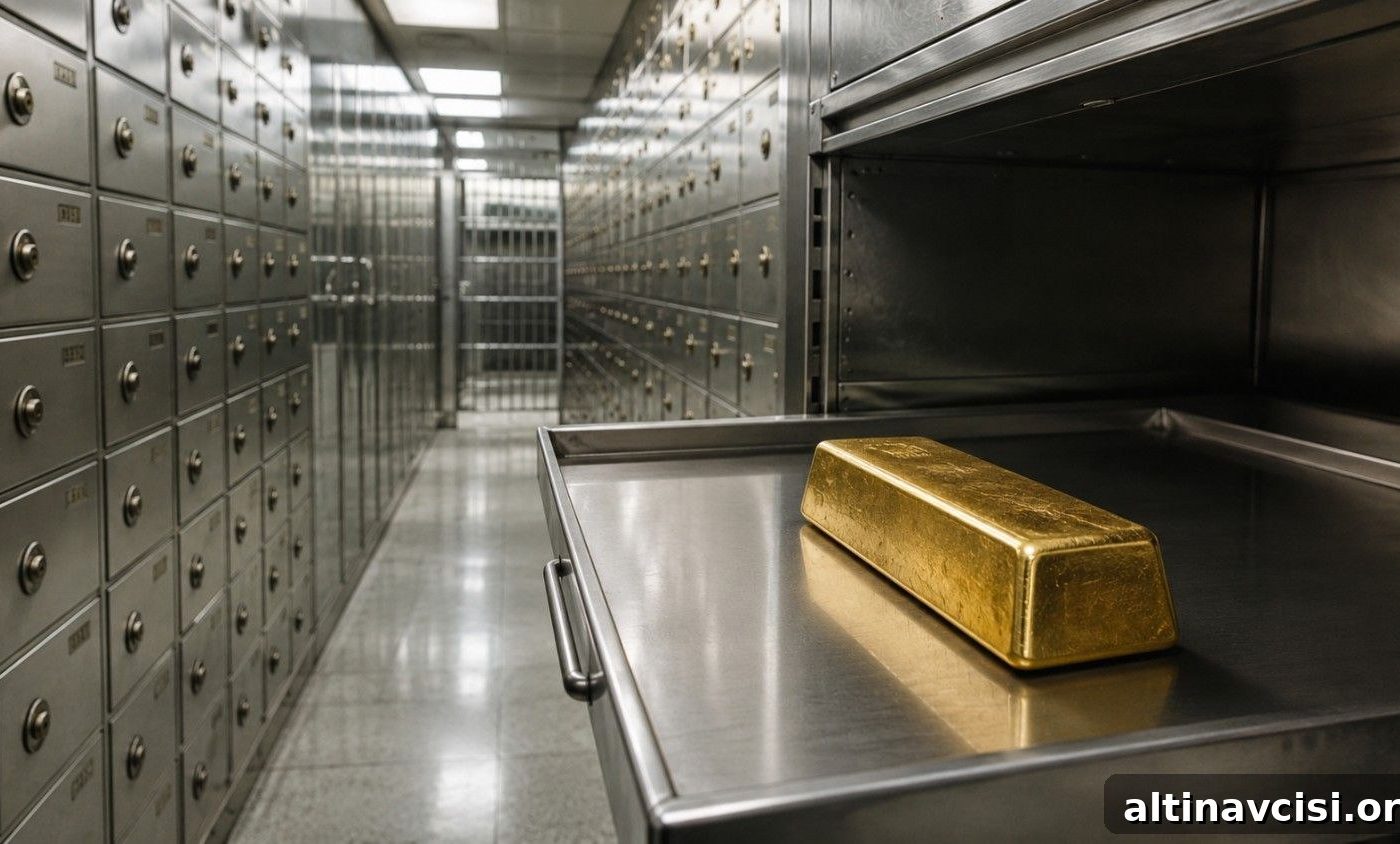
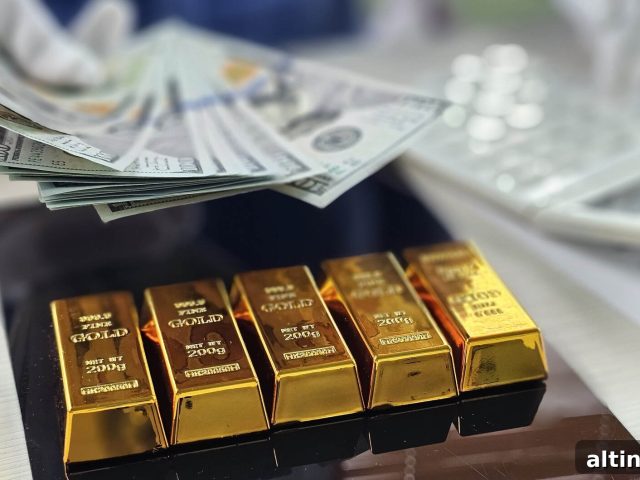
In today’s update: Analysts diverge on near-term gold outlooks while institutional buying continues to climb. UBS, Goldman and JPMorgan have trimmed short-term forecasts, yet central banks added 244 tonnes in Q1 and Deutsche Bank retains an $8,000-by-2031 scenario. Here’s what the split between tactical flows and long-term demand means for precious metals.
As of May 29, 2026, the headlines on gold and institutional buying paint two different pictures. ETF flows and trader positioning have eased, bank near-term targets were lowered, and optimism about Iran–US diplomatic progress has reduced some of the short-term geopolitical premium investors had been paying. Taken alone, those stories suggest a turning point. Taken together, they show something more nuanced: short-duration traders are stepping back, while long-horizon buyers — central banks and institutional allocators — continue to accumulate and maintain their strategic convictions. That divergence between tactical positioning and structural demand is the defining theme for precious metals this week.
JPMorgan: The Debasement Trade Is Cooling, Not Reversing
On May 28, 2026, JPMorgan strategist Nikolaos Panigirtzoglou highlighted simultaneous outflows from both bitcoin and gold ETFs over the previous two weeks, along with weaker CME futures positions in both assets. This is not a rotation from one asset to another; it is a reduction in positioning across both. For example, BlackRock’s iShares Bitcoin Trust (IBIT) recorded a $527.8 million outflow on May 27 — one of its largest daily withdrawals on record — and US spot bitcoin ETFs collectively lost $733.4 million that day. Gold ETF outflows were smaller but followed the same direction. JPMorgan links the shift to growing Iran–US peace expectations rather than a breakdown in the structural rationale behind gold or bitcoin. In short, the debasement trade — buying gold and bitcoin as hedges against currency erosion and geopolitical risk — is cooling, not being disproven.

The Edge Every Investor Needs
Smarter precious metals investing starts here. The Nuggets Newsletter brings essential market insights, Fed updates, global trends, educational videos, and more.
Are Major Banks Still Bullish on Gold Long-Term?
This week brought three notable forecast adjustments. Each trimmed near-term numbers while leaving the long-term structural case essentially intact. UBS lowered its year-end 2026 gold target to $5,500 on May 26, down from $5,900, citing higher 10-year Treasury yields and a stronger dollar — cyclical headwinds rather than a change in the strategic thesis. Goldman Sachs maintains a $5,400 year-end forecast. JPMorgan cut its 2026 full-year average to $5,243 from $5,708 but continues to see a path to $6,000 by year-end. Across those reports, the common theme is the same: near-term upside is constrained while the longer-term drivers remain unchanged. Supporting that view, the World Gold Council reports central banks bought 244 tonnes of gold in Q1 2026, up about 3% year-on-year — evidence that sovereign accumulation persists even as bank forecasts are adjusted.
Why Does Deutsche Bank See Gold at $8,000 by 2031?
Deutsche Bank’s April 27, 2026 note from Mallika Sachdeva and Michael Hsueh sets a five-year target of $8,000 per ounce by 2031. Their model rests on central bank accumulation trends that have been consistent since 2008. Collectively, central banks in China, Russia, India, Turkey and the Gulf have added more than 225 million ounces. If these sovereign holders push their gold share toward roughly 40% of reserves — a level some consider an intermediate benchmark — Deutsche Bank’s scenario projects substantially higher prices. The bank emphasizes that this is a medium-term structural projection tied to reserve policy and monetary regime change, not a short-term price call.
What Is Driving the Silver Price in 2026?
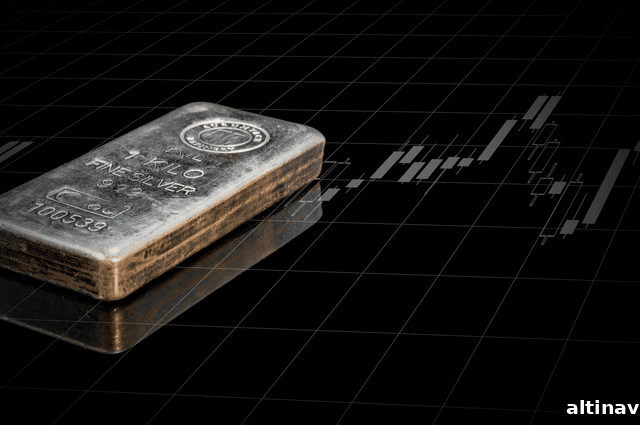
CPM Group analysts Jeffrey Christian and Rohit Savant updated their 2026 silver outlook, concluding that investor demand — rather than supply-side shortages — will be the primary driver of silver’s price action. CPM projects silver averaging above $50 per ounce in 2026, moving with gold’s volatility. The firm disputes retail narratives about silver “vanishing” from COMEX, noting that CPM’s data does not support a persistent delivery-driven deficit on the exchange. Industrial demand, including from solar panel manufacturing where growth has slowed due to oversupply, is softer than in previous years. That environment leaves investment flows as the more reliable price signal, and CPM argues physical buyers are a sturdier foundation for price than momentum-driven paper flows.
Who Is Actually Buying Gold Right Now?
Bank of America estimates global high-net-worth investors allocate only about 0.5% of their assets to gold. That low retail allocation, contrasted with steady sovereign accumulation, helps explain why the current pullback looks different from a structural reversal. Much of 2026’s gains were driven by central banks and institutional buyers rather than broad retail participation. If retail allocations rise later, they could add a second leg of demand that the current tactical correction would not prevent. On the supply side, silver is projected to enter its sixth consecutive annual supply deficit in 2026, with a shortfall on the order of 46 million ounces according to the World Silver Survey. Meanwhile, central bank gold purchases remain elevated. Traders adjusted positions this week; the underlying case held firm.
What Does This Week’s Noise Actually Mean?
There is a consistent narrative behind this week’s noise. Short-duration capital — traders and momentum-focused funds — is trimming exposure as hopes for Iran–US détente rise and macro conditions keep the dollar and yields firm. Long-duration capital — central banks, reserve managers and five-year forecasters — has not materially changed course. Those patient buyers rarely make headlines, but their steady accumulation is the core structural signal for precious metals. For long-term holders of physical gold and silver, recent flows are a reminder that short-term volatility does not erase decades of institutional accumulation and the reserve-related drivers that support higher prices over time.
Stay On Top of Gold & Silver Prices
Get important market alerts sent straight to your inbox.
SOURCES
1. CoinDesk — JPMorgan analysis on the debasement trade and ETF flows · The Block · Benzinga · BlackRock ETF flow reports
2. UBS market commentary on precious metals targets · Bloomberg coverage of Goldman Sachs forecasts · JPMorgan research note on 2026 forecasts
3. Deutsche Bank note on five-year gold scenario · CPM Group silver market outlook · World Gold Council Q1 2026 demand trends · World Silver Survey 2026 · Bank of America allocation research
Disclaimer: This article is for informational purposes only and does not constitute financial or investment advice. Always consult a qualified financial advisor before making investment decisions.
You May Also Like:
- Gold Radar: 5 Stories the Price Chart Isn’t Telling You
- Silver Lost 3.3% While Gold Lost 1.6%. That Gap Is Not Random.
- Gold Down 1.2%, Silver Down 2.8% — The Floor Holds
- UBS Just Cut Its Gold Target by $400. The Part They Kept Is the Real Story.
- Why Gold Is Falling Today — And Why $4,500 Is Holding.
- Gold Is Down Today. Here’s Why Smart Money Is Still Buying.
- Silver Up 3%. Gold Up 1.3%. The Ratio Tells You Everything.
- Iran News Sent Gold Price Both Ways. The Driver Was Never Iran.
Popular Topics
Picked from the archive
-
01
 Topics
Market Movers Aug 25: Gold Pullback, Jackson Hole, Intel Warning
-
02
Topics
Silver Price Jumps 7% as Bulls Gain Momentum
-
03
Topics
Gold Price Falls Today: Why $4,500 Holds as Support
-
04
Topics
Barrick CEO: Gold Miners Unfazed by U.S. Tariffs on Bullion Bars
-
05
Topics
After January Jobs Surprise, Silver Dips as Gold Holds Firm
-
06
Topics
Gold Surges to Record High as $5,000 Target Nears
-
07
Topics
Why China’s Silver Imports Soared to a Record in 2026
-
08
Topics
Dollar Steadies After Jobs Data Shock Sends 90% Odds of Fed Cut