Gold Surges to $4,480 as Physical Demand Hits 50-Year High
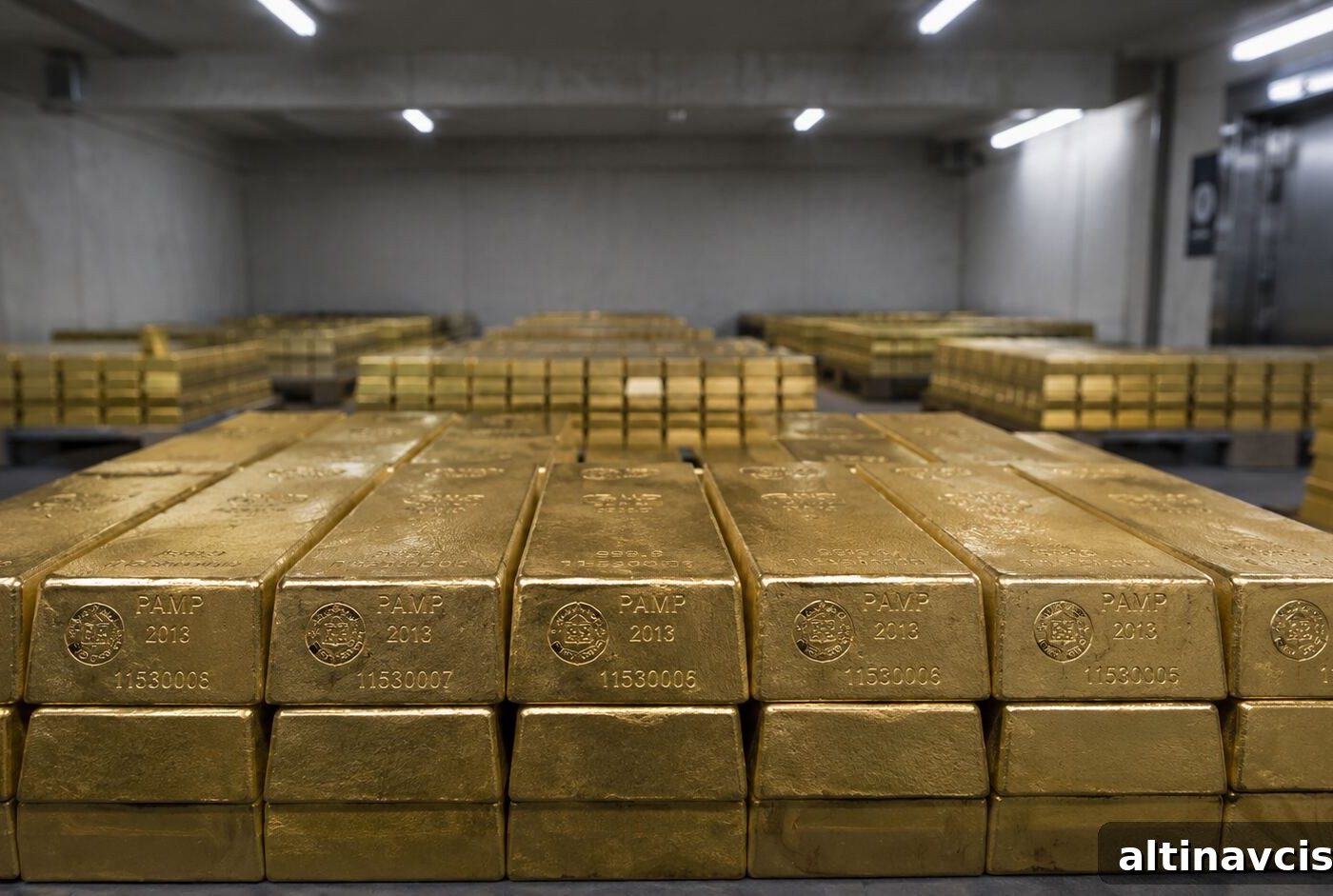
Central banks are reshaping the gold market, but they are only one of five major forces moving prices today. These influences do not all point in the same direction. On the supportive side, concentrated sovereign buying has created a structural floor. At the same time, a historic shift in demand is underway as physical investment in bars and coins begins to outpace jewelry for the first time on record. Offsetting those tailwinds are questions about the accuracy of reported Russian production and a clear liquidity pullback from China’s central bank that creates near-term headwinds. Running through each of these developments is a common thread: the global financial system is rewarding people who hold physical metal outside paper markets. Below is a clear, practical summary of what matters and why.
How Central Banks Quietly Became a Major Structural Support for Gold
Sovereign accumulation of gold did not begin with the 2022 sanctions on Russia; the trend has deeper roots. Since the 2008 financial crisis, reserve managers have rethought how to allocate national assets, and that change has become permanent. Recent analysis from UBS makes this concentration visible: almost all net official-sector gold accumulation since 2022 has come from a small group of countries, while most central banks remain inactive buyers. That concentrated buying, however, has been sufficient to provide a durable price floor.
This distinction reframes the familiar narrative about official demand. Central-bank gold purchases today are driven less by short-term inflation scares and more by strategic diversification away from dollar-denominated reserves. Because these purchases are motivated by reserve policy rather than market sentiment, they are less likely to reverse on a single weak CPI print or a temporary Federal Reserve decision. In other words, when the world’s largest institutional buyers act out of strategic reserve management, their demand becomes a long-term structural tailwind for the market.

The Edge Every Investor Needs
Smarter precious-metals investing starts with clear information. The Nuggets Newsletter summarizes market drivers, central-bank moves, and global trends to help you make better decisions.
Why the World’s Largest Gold Refinery Is Talking About Trust
Valcambi, one of Switzerland’s largest and most-capable gold refineries, appointed Simone Knobloch as CEO on June 1, 2026. He assumed leadership at a sensitive moment—metal prices are near historic highs while regulatory scrutiny around sanctions compliance and responsible sourcing has intensified across the refining industry.
In early interviews Knobloch emphasized due diligence rather than disengagement when it comes to sourcing. That matters because Valcambi bars meet both London Bullion Market Association (LBMA) Good Delivery and COMEX delivery standards, making the refinery part of the market’s physical backbone. When major certifiers treat traceability as a competitive advantage, it raises expectations across the supply chain. The refineries that adapt now will help define what “good delivery” means over the next decade, and their approach will influence buyer confidence in physical gold.
Is Physical Investment About to Overtake Jewelry Demand?
According to consultancy Metals Focus, 2026 is set to mark the first year in which physical investment surpasses jewelry as the largest source of gold demand in their recorded data. Metals Focus projects physical investment will rise by about 15% in 2026, reaching its highest level since 2013, while jewelry demand is expected to decline by double digits. Elevated prices are pricing out some consumers in key markets, and in regions where higher energy costs are squeezing disposable incomes, the drop in jewelry purchases is even more pronounced.
This is more than a statistical shift; it signals a behavioral change. When bullion prices surge, many buyers who might have purchased jewelry opt instead for bars and coins, treating gold as a financial asset rather than a decorative one. Metals Focus’s full-year 2026 average gold-price forecast is around $4,920 per ounce, a useful reference point as markets absorb a roughly 20% pullback from January’s all-time high near $5,589 per ounce. The transition toward investment demand strengthens the case for physical metal as an asset class.
How Credible Are Russia’s Gold Production Claims?
In 2026 Russia’s Natural Resources Minister claimed national gold production reached roughly 480–485 metric tons in 2025. If accurate, that would be about a 50% increase from the 330 tons attributed to Russia in 2024 by the World Gold Council, and it would position Russia ahead of China as the world’s single largest producer. Many industry analysts are skeptical.
Independent estimates are substantially lower: Metals Focus suggests Russian output was nearer 345 tons in 2025, while regional production tallies compiled by trade publications point toward about 360 tons. No major new mines of the scale required to justify a 150-ton jump have been publicly reported, and Russia’s decision to stop publishing detailed production statistics after 2022 sanctions adds opacity. Still, the trajectory is clear: Russian output is increasing, and development projects such as Sukhoi Log—one of the largest undeveloped deposits—could materially shift global supply when fully brought online later this decade.
What China’s Liquidity Pullback Means for Near-Term Gold Prices
Gold priced in Chinese renminbi has been testing a psychologically and technically important level near RMB 30,000 per ounce, and recent chart patterns have signaled downside pressure. The catalyst is a meaningful liquidity withdrawal by the People’s Bank of China (PBoC). After a large liquidity injection peaked in March, the PBoC removed roughly RMB 1.8 trillion—around $260 billion—over the following 12 weeks. That reduction represents a notable contraction of available market cash and has weakened one of gold’s recent consistent tailwinds.
Because China’s capital controls make yuan-priced gold dynamics translate quite directly into dollar-market terms, the PBoC’s tightening reduces the buying power of Chinese investors in the near term. A sustained liquidity contraction does not overturn the broader structural case for gold—especially given central-bank reserve trends and shifting investment demand—but it can create short-term dislocations. Historically, those dips have rewarded patient buyers who prioritized the underlying structural drivers over immediate price action.
Stay On Top of Gold & Silver Prices
Get important market alerts delivered to your inbox.
SOURCES
1. UBS analysis reported via industry coverage — since 2022, sovereign gold demand has been driven by a small number of countries.
2. Coverage of Valcambi leadership and industry commentary on sourcing and compliance.
3. World Gold Council — Gold Demand Trends, Q1 2026.
4. Reporting on Russian production claims and industry reaction.
5. Independent industry estimates and regional production data compiled by trade publications.
6. Reporting on the People’s Bank of China’s liquidity operations and market impact.
Disclaimer: This article is for informational purposes only and does not constitute financial or investment advice. Always consult a qualified financial adviser before making investment decisions.
You May Also Like:
- Gold Holds $4,481 With Rate Hike Risk Rising — NFP Decision Map
- Gold Surges 1.5%: ADP, ISM, and the Beige Book and What It Means for the Fed
- Gold at $4,454: Why Some Analysts Say the Fed Is Constrained
- Central Banks Picked Gold Over Treasuries — Should You?
- Central Banks Just Crossed a Line Not Seen Since 1996
- Factory Costs and the Implications for Gold
- Gold at $4,500: What Fort Knox, China, and Silver Are Telling Investors
- Silver’s Drivers and the Role of Stagflation
- The Growing List of Gold Buyers — New Countries Enter the Market
- PCE, GDP, and the Mechanism Behind Gold’s Move
- Gold Targets Are Falling — Why the $8,000 Forecast Is Not Universal
Popular Topics
Picked from the archive
-
01
 Topics
Gold Market Cycles: Investor Lessons from Past Bull Runs
-
02
Topics
Silver Price Nears $64 as Fed Debate Intensifies
-
03
Topics
Why the Fed Says Gold Will Stay Resilient
-
04
Topics
CPI-Adjusted Silver vs Spot Price: What the Ratio Reveals
-
05
Topics
Inside the Fed’s Most Contentious Jackson Hole Meeting
-
06
Topics
Fed Study: 5 Countries Cashed In on Gold Reserves in 30 Years
-
07
Topics
U.S. Gas Prices Fall to 12-Month Low Despite Heat; Storage Up 6%
-
08
Topics
Silver Price Falls on Index Rebalancing Ahead of Jobs Report