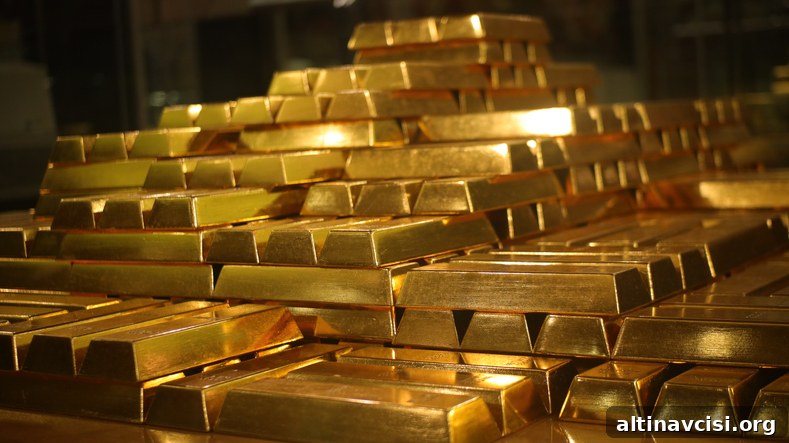
Gold prices pulled back about 1% on Thursday, ending a three-day rally as investors took profits. Spot gold closed at $2,893.63 per ounce, while U.S. gold futures dropped to $2,900.70. The modest correction comes after a strong run for the metal so far in 2024: year-to-date gains exceed 10% and the market hit a record high of $2,956.15 on February 24.
Analysts say the profit-taking largely reflects positioning ahead of a key economic release. Lukman Otunuga, senior research analyst at FXTM, noted that traders are moving cautiously ahead of Friday’s non-farm payrolls report. The jobs data could influence expectations for the Federal Reserve’s interest rate path and, in turn, impact gold demand.
Market dynamics for gold remain influenced by several familiar factors. Interest rate expectations, inflation trends, and the strength of the U.S. dollar typically drive short-term price swings. When markets anticipate lower interest rates or weaker economic growth, gold often benefits because its appeal as a non-yielding asset rises. Conversely, signs that the Fed may maintain higher rates can prompt profit-taking and weigh on prices.
Volatility around major economic announcements is common in precious metals markets. Investors frequently trim positions before releases such as payrolls, inflation reports, or central bank decisions to avoid sharp intraday moves. That defensive behavior helps explain why a strong multi-week advance in gold would pause now, even though the longer-term trend for 2024 remains firmly positive.
Sentiment in bullion markets also reflects broader risk appetite across financial markets. In periods of heightened geopolitical tension or equity-market weakness, safe-haven demand can support higher gold prices. In contrast, risk-on swings and rising bond yields can reduce gold’s relative attraction, at least temporarily.
Looking ahead, traders and investors will watch incoming U.S. economic data, central bank commentary, and inflation readings for signals about the Fed’s next steps. Any material change in expectations for interest rates is likely to be a primary driver of gold’s direction in the near term. For now, the recent pullback appears to be a routine consolidation within an otherwise strong 2024 performance for the metal.