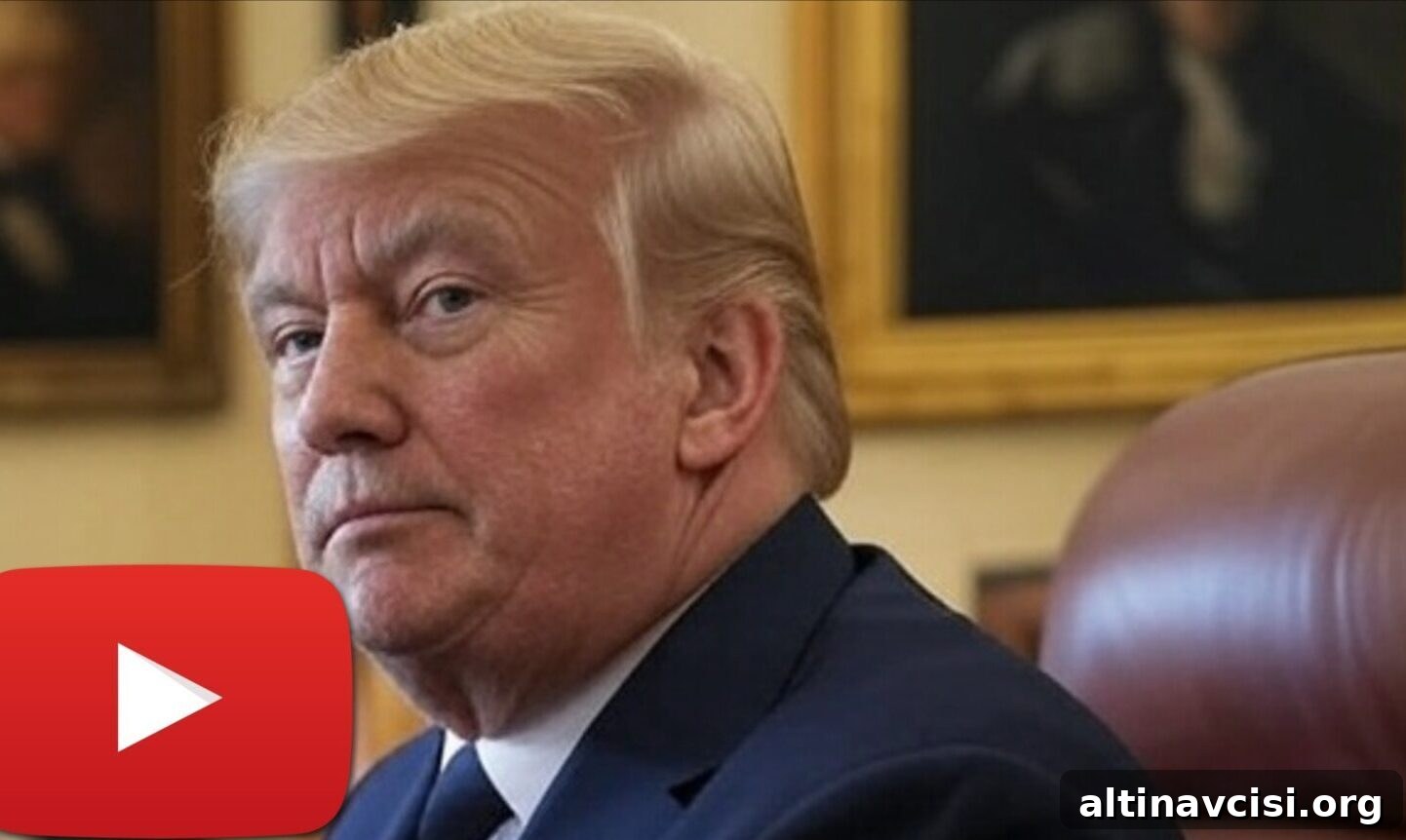
President Trump attempted on Monday night to remove Federal Reserve Governor Lisa Cook, alleging involvement in mortgage fraud. Governor Cook declined to resign, asserting that the president does not have the legal authority to dismiss a sitting Fed governor.
This move marks an unprecedented escalation in the administration’s efforts to influence Federal Reserve policy and press for lower interest rates. Because no president has previously sought to fire a Federal Reserve governor, legal analysts expect a protracted court fight that could ultimately reach the Supreme Court.
Observers warn that such a confrontation could undermine the Federal Reserve’s political independence, a safeguard widely considered essential for maintaining credible monetary policy and effective efforts to control inflation.
Legal scholars note that members of the Board of Governors of the Federal Reserve are appointed for fixed terms and traditionally can be removed only for cause, a design intended to protect monetary policy decisions from short-term political pressure. Any attempt to remove a governor without clear, provable cause would likely prompt litigation over separation of powers and statutory protections for independent agencies.
Market participants and economists are closely watching developments because perceived threats to the central bank’s independence can affect expectations about inflation, interest rates and financial stability. Credit markets and investors tend to react when political pressure on central banks increases, as such pressure can change the outlook for policy decisions that affect borrowing costs and economic growth.
Governor Cook’s refusal to step down sets the stage for a constitutional and statutory test of how far the executive branch can go in shaping the leadership and direction of independent regulatory bodies. Court proceedings in similar disputes typically examine the statutes that create and govern agencies, historic practice, and constitutional principles such as the separation of powers and the president’s removal authority.
As the dispute unfolds, policymakers and institutions involved in setting monetary policy will likely try to minimize disruption. Still, the case highlights enduring tensions between elected officials who seek immediate policy outcomes and independent institutions designed to pursue longer-term economic stability.
In the coming days, expect statements from legal experts, former Fed officials and market analysts assessing the likely legal arguments and economic implications. If litigation proceeds, the courts will be tasked with balancing statutory language, precedent and the risks to institutional independence before rendering a decision that could set an important precedent for future interactions between the executive branch and independent agencies.