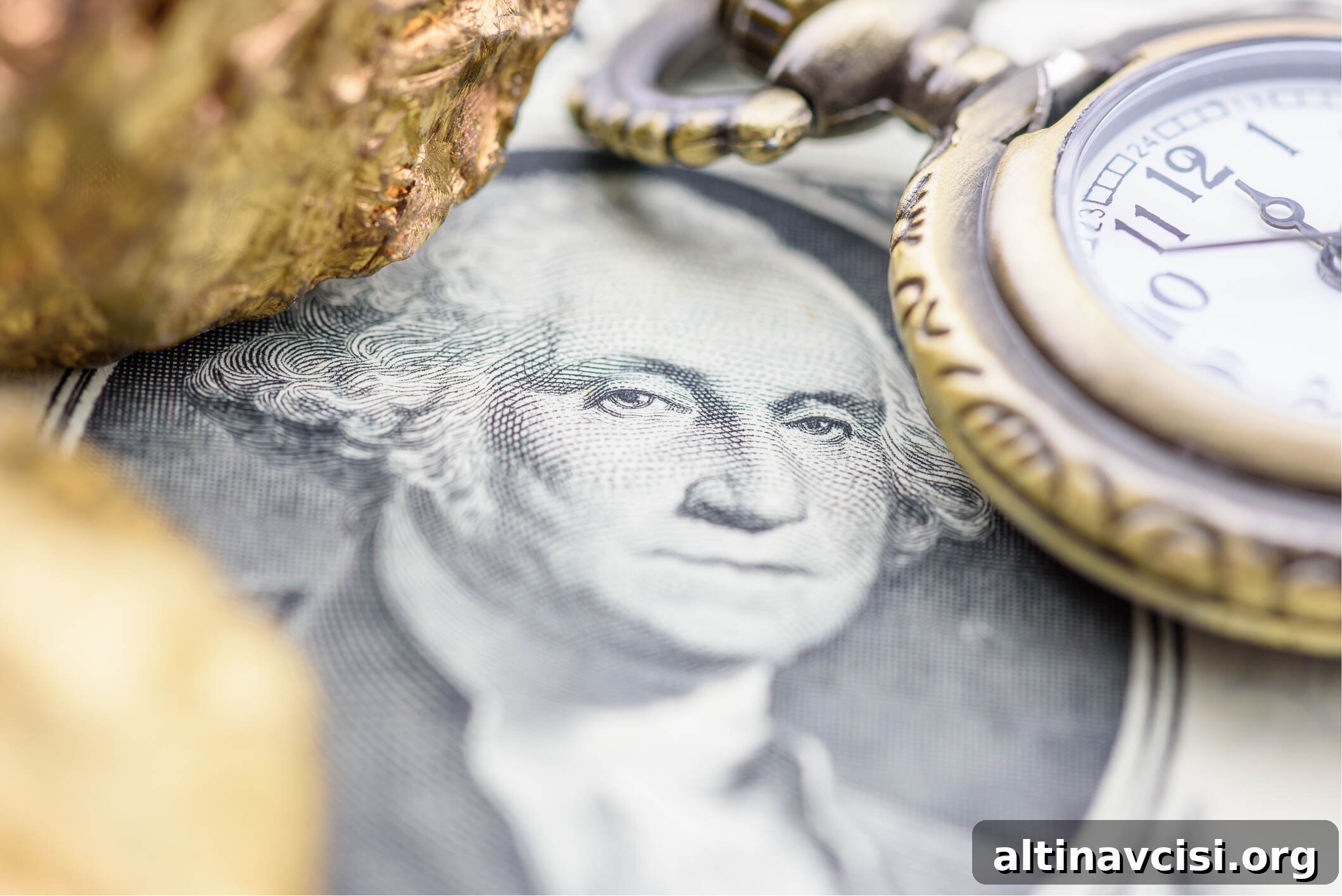
A survey of 75 central banks reveals a pronounced move away from the US dollar. After the tariffs announced by President Trump on April 2, reserve managers have accelerated efforts to diversify roughly $5 trillion in global foreign-exchange reserves.
Gold emerges as the primary beneficiary of this shift: 40% of the surveyed central banks say they plan to increase gold holdings over the next decade, building on already elevated levels of purchases by official institutions.
The US dollar has fallen sharply in preference rankings, slipping from first to seventh place among investment choices. Concerns about US politics are a significant factor: 70% of respondents identified political developments in the United States as a reason to reduce dollar exposure.
Meanwhile, the euro is recovering its appeal and could account for about 25% of reserves by 2030 if current trends continue. China’s yuan is also expected to gain ground, potentially tripling its share to approximately 6% as central banks broaden their currency allocations.
Notably, this survey marks the first time since the 2008 financial crisis that a substantial number of reserve managers are openly questioning whether the dollar still serves as the unquestioned safe-haven asset. The combination of geopolitical uncertainty, trade policy shifts and efforts to rebalance portfolios is driving a notable reallocation across currencies and commodities.
Central banks are pursuing a range of diversification strategies. Some are increasing allocations to precious metals, especially gold, which is perceived as a non-sovereign store of value. Others are expanding holdings of major currencies beyond the dollar, including the euro and yen, while a subset is gradually introducing emerging-market currencies such as the yuan into official reserves.
These changes reflect both short-term reactions to political events and longer-term strategic planning. Reserve managers cited the desire to reduce concentration risk and to protect national wealth against policy volatility. As a result, portfolio construction is shifting toward a mix that balances liquidity, safety and return potential across a wider set of assets.
The implications are broad. Reduced dollar dominance could affect global funding markets, international trade invoicing and the influence of US monetary policy on other economies. A larger role for gold and a rising share for the euro and yuan would recalibrate how countries hedge external liabilities and manage foreign-exchange operations.
While the pace and ultimate scale of this reallocation remain uncertain, the survey indicates a clear directional trend: central banks are actively rethinking reserve composition, prioritizing resilience and diversification in an era of heightened geopolitical and economic uncertainty.