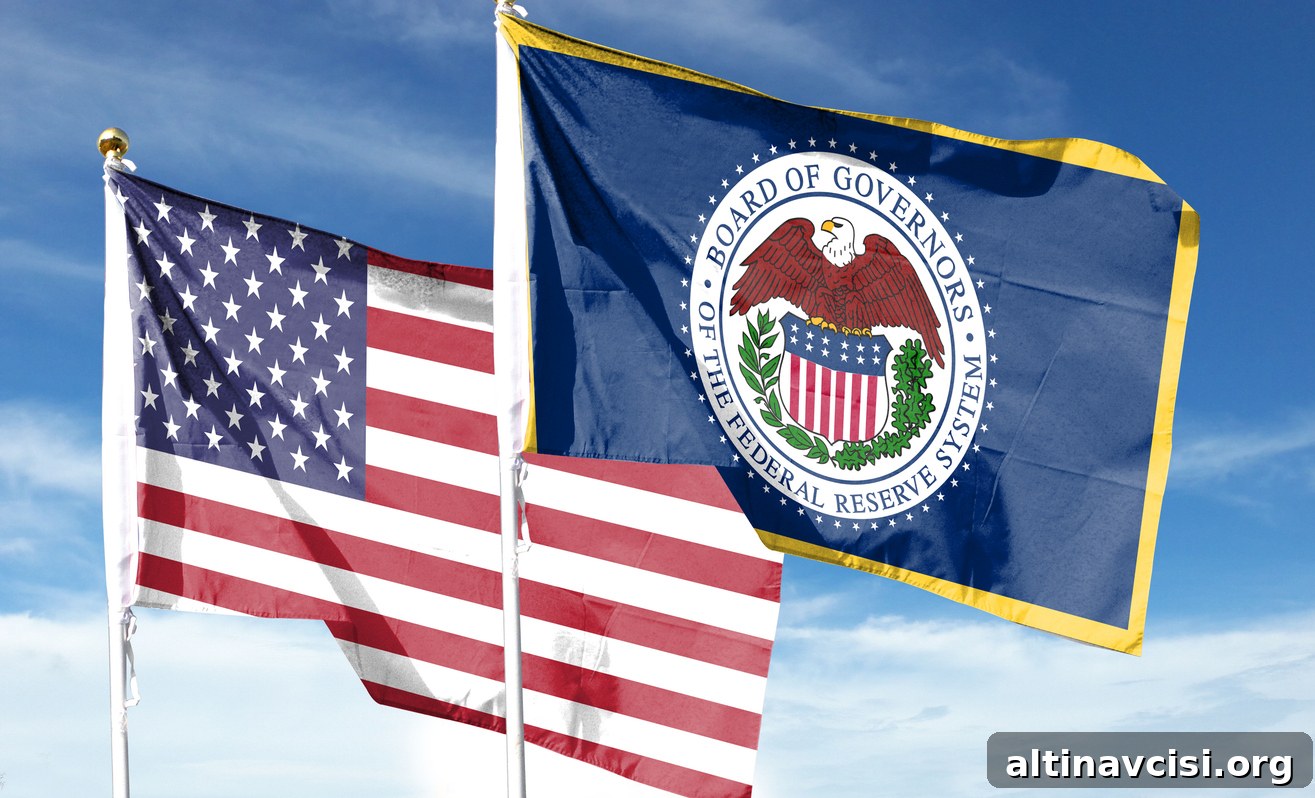
Federal Reserve Chair Jerome Powell held policy steady at the January meeting, leaving the federal funds rate in the 4.25% to 4.50% range.
Faced with political pressure and uncertainty around possible tariff actions, Powell stressed a strictly data-driven stance. He declined to respond to presidential comments and avoided speculation about shifts in future policy, underscoring the Fed’s commitment to basing decisions on incoming economic evidence rather than political signals.
That cautious posture, together with the risk that newly imposed tariffs could push up inflation, raises the prospect that the Fed may delay or even skip rate cuts in 2025. Such an outcome would run counter to market expectations that anticipated reductions in borrowing costs in the latter half of the year.
Powell’s “wait and see” approach highlights the Fed’s priority: assess how tariff actions and other developments actually affect inflation, employment, and broader economic activity before adjusting monetary policy. By focusing on concrete data, the central bank aims to avoid premature easing that could rekindle inflationary pressures.
Markets and policymakers will therefore be watching upcoming inflation reports, labor market data, and indicators of consumer and business sentiment closely. If tariffs materially raise prices—or if core inflation proves more persistent than expected—the Fed could maintain higher rates for longer than many investors currently expect.
In sum, Powell’s message was one of caution and discipline: policy will follow the data, not headlines. That framework reduces the possibility of politically driven policy shifts and signals that any future moves will depend on measurable progress toward the Fed’s dual mandate of price stability and maximum employment.