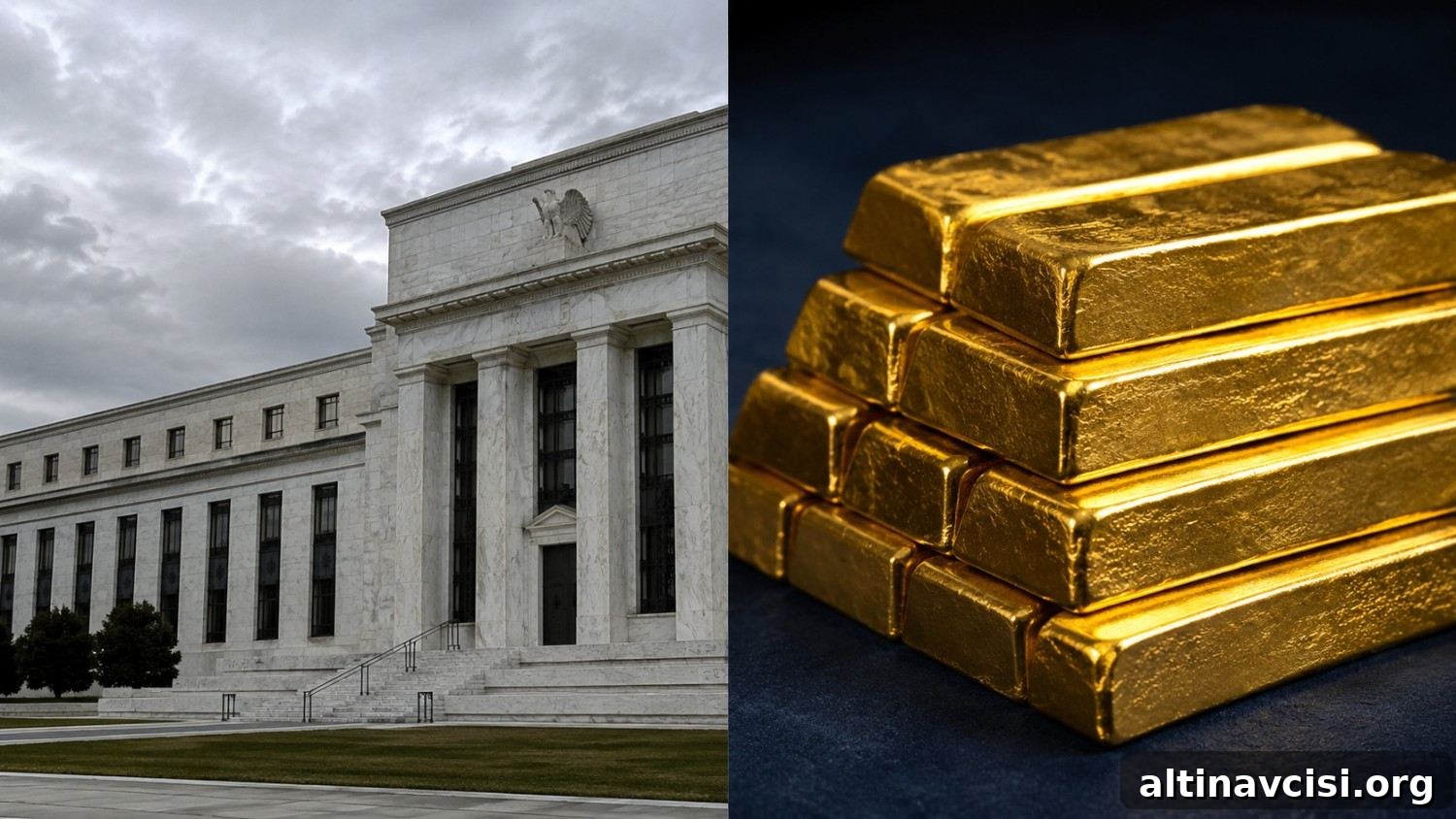
Five key economic releases arrived this week and together they cut the market’s expectation of a September Federal Reserve rate hike by roughly 27 percentage points over the past month. Each report pointed in the same direction: less urgency for tighter policy. As a result, the CME FedWatch tool now shows the odds of a September increase have fallen from about 50% one month ago to roughly 31% today. Gold is responding in real time to that changing outlook — the items below explain why and how.
Why Did July Retail Sales Fall — and What Does the Miss Mean for Gold?
U.S. consumers cut back spending in July. Retail and food services receipts declined 0.6% from June to $763.6 billion, the largest monthly drop in over a year and well below consensus forecasts that expected a modest rise. Auto dealers and parts retailers saw sales down 1.8%, while online retail sales fell about 2.2%. On a year-over-year basis sales remain up approximately 5%, so this is a softening rather than a collapse. Still, when consumer spending weakens, growth expectations weaken too, which eases pressure on the Fed to raise rates. Because gold yields no interest, a reduced probability of rate hikes lowers the opportunity cost of owning bullion — an environment that tends to support higher gold prices.
The Edge Every Investor Needs
Smarter precious-metals investing begins with clear, timely information. Our newsletter delivers market analysis, Fed updates, global trends, and educational material tailored for bullion investors.
What Does Consumer Sentiment Falling to 51 Tell Gold Investors?
Consumer sentiment weakened sharply in August. The University of Michigan’s preliminary Consumer Sentiment Index fell to 51.0 from 55.2 in July, below expectations and near the lower extreme of its historical range. Short-term inflation expectations ticked up, signaling that many households expect elevated prices to persist. That sustained pressure on purchasing power is the kind of environment where some households seek refuge in tangible assets outside the traditional financial system, including precious metals. Lower sentiment also implies slower growth ahead, reinforcing the case for a pause in rate tightening — another supportive factor for gold.
How Did This Week’s Data Shift the September Rate-Hike Odds?
The Federal Open Market Committee meets September 15–16, and going into those dates the Fed’s decision path is less certain than it was a month ago. At the July 29 meeting, the committee kept the target range at 3.50–3.75% with a 9–3 vote and recorded several dissents who favored a hike. This week’s softer inflation and spending data changed expectations: the market now assigns a much higher probability to a hold and a much lower chance of a 25-basis-point increase. For gold, that re-pricing matters because expectations about short-term interest rates are a major driver of bullion demand. A 27-point swing in the probability of holding rather than hiking in just four weeks is a sizable shift for market positioning.
Why Is the Strait of Hormuz Still a Risk for the Gold Price?
Geopolitical developments provide the counterweight to easing Fed expectations. Recent tanker attacks and ongoing disruptions around the Strait of Hormuz have kept global energy supply concerns elevated. Transit volumes through the strait remain well below pre-conflict levels, and Brent crude prices have risen significantly compared with earlier in the year. If energy-driven inflation stays high because of continued disruption, that gives policymakers a compelling argument to maintain or even raise rates — a scenario that would be less favorable for gold. Each flare-up or attack in the region resets the geopolitical risk premium and can temporarily push bullion prices lower as markets reassess inflation and policy trade-offs.
Where Is the Gold Price Heading Into the Weekend?
Gold traded in a wide intraday range as the market balanced policy expectations against geopolitical risk. Earlier in the session the metal slipped near $4,300 before recovering as softer economic data arrived; by late trade it was trading closer to $4,390 per ounce, reflecting gains on the day and a meaningful rise so far this month. Silver outperformed on the same news, trading higher on the day. The day’s swing illustrates the tug-of-war between the hawkish influence of Middle East tensions and the dovish weight of softer U.S. data. With approximately four and a half weeks left before the September FOMC meeting, each incoming economic release will be scrutinized for clues on whether the Fed will hold or hike — and for now the data have tilted the balance toward a pause.
Stay On Top of Gold & Silver Prices
Get timely market alerts delivered to your inbox.
SOURCES
1. US Census Bureau — Advance Monthly Retail Trade Survey, July 2026 (published August 14, 2026).
2. University of Michigan — Surveys of Consumers, Preliminary August 2026 (published August 14, 2026).
3. CME Group — FedWatch Tool, September 2026 FOMC probabilities (morning session, August 14, 2026).
4. Federal Reserve — FOMC Statement, July 29, 2026.
5. Bloomberg reporting on regional tanker attacks and oil-market developments (mid-August 2026).
6. Al Jazeera reporting on Strait of Hormuz disruptions (August 2026).
7. International Energy Agency commentary on global oil stockpiles (August 2026).
8. Gold and silver spot price data providers (mid-August 2026).
Disclaimer: This article is for informational purposes only and does not constitute investment advice. Past performance is not indicative of future results. Always consult a qualified financial advisor before making investment decisions.
You May Also Like:
- The Fed’s September Math Just Changed. Here’s What It Means for Gold.
- Jackson Hole Is 14 Days Away. What Warsh Says Could Move Gold More Than Any Inflation Print.
- Gold Hit a Two-Month High. Then It Pulled Back. The PPI Data That Caused Both Moves Is What Matters.
- Two Soft Inflation Prints. Gold Is Still Below $4,500. One Number Is Keeping It There.
- China Bought the Most Gold Since 2023 in July. Here’s Why.
- Five Unrelated Forces All Moved Gold and Silver Higher Today. That Doesn’t Happen Often.