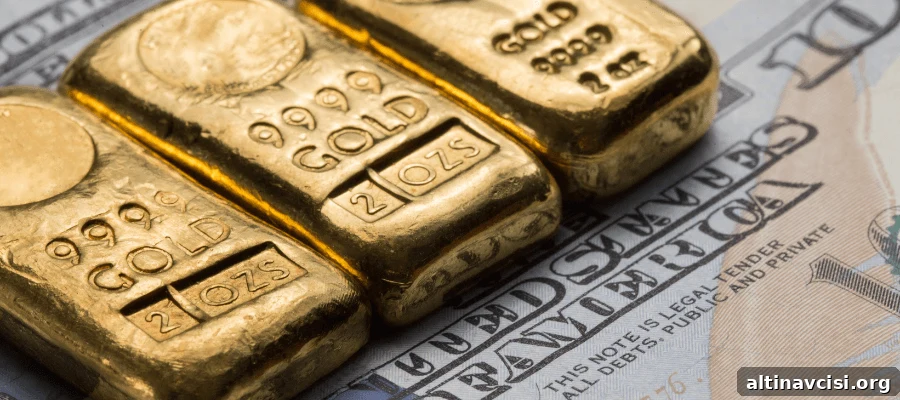
Amid rising concerns about a potential tariff war under Donald Trump, investors are flocking to gold funds at the fastest rate since the COVID-19 pandemic.
Gold reached a record intraday high of $3,148.88 per troy ounce on Tuesday before closing at $3,114, marking an 18% gain so far this year and the strongest quarterly performance since 1986.
According to Standard Chartered, investors poured more than $19.2 billion into gold-backed ETFs in the first quarter of 2025. That rush into safe-haven assets has been accompanied by larger allocations to US Treasuries and cash — with cash positions in many portfolios rising by the largest monthly amount seen in five years.
While central banks have traditionally been significant drivers of gold demand, the recent surge in ETF inflows suggests a wider base of investors seeking protection against a possible economic slowdown and heightened market volatility. In response to the market dynamics, several financial firms, including Macquarie, have raised their gold price targets, with some forecasting levels around $3,500 later this year.
The momentum behind gold reflects broader risk-off positioning: when uncertainty about trade policy, geopolitical developments, or monetary conditions increases, investors often shift toward assets perceived as stores of value. Exchange-traded funds have made it easier and more cost-effective for a diverse range of market participants to gain exposure to physical gold, and that accessibility has amplified the impact of risk-driven flows.
Beyond ETF demand, factors such as interest rate expectations, inflation trends, and central bank reserve strategies remain key determinants of gold’s outlook. Lower real interest rates typically support higher gold prices, while expectations of sustained inflation can further bolster demand as investors look to preserve purchasing power. At the same time, any significant cooling of trade tensions or an improving economic picture could temper some of the recent safe-haven buying.
For now, the combination of policy uncertainty, elevated market volatility, and strong ETF inflows has positioned gold as a preferred hedge among many investors. As forecasts and positioning evolve, market participants will be watching macroeconomic data, central bank signals, and geopolitical developments closely to assess whether the current rally has staying power or is prone to correction.