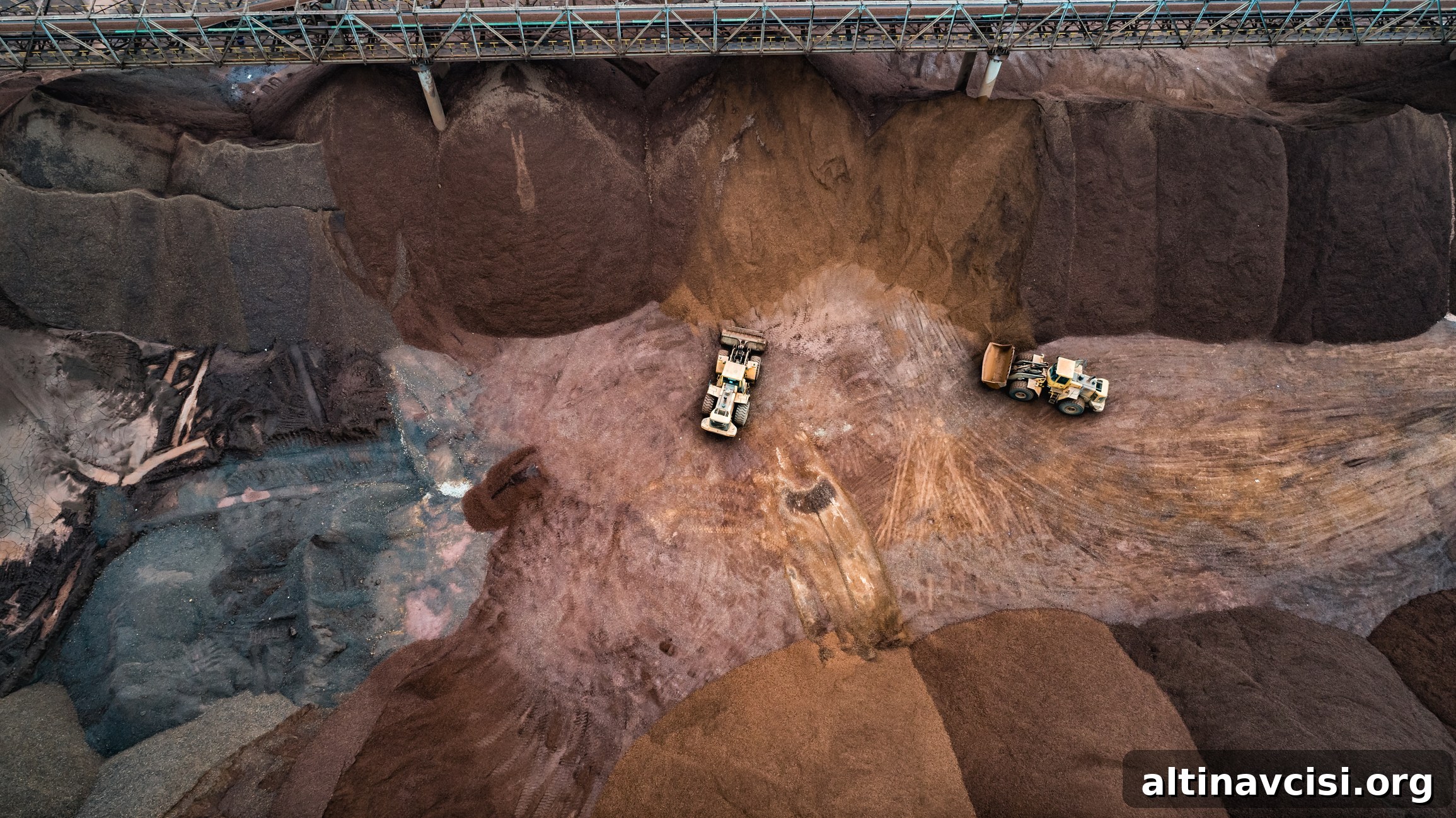
The European Union is intensifying efforts to secure supplies of critical minerals through 47 strategic projects spread across 13 member states.
EU Commissioner Stéphane Séjourné recently visited a Greek aluminum plant that will soon begin extracting gallium, a metal essential for semiconductors and a range of high-tech applications.
Backed by a €24.2 billion investment initiative, the plan aims to reduce Europe’s dependence on China and other external suppliers for materials vital to electric vehicles, electronics, and defense systems. The initiative responds to supply-chain vulnerabilities highlighted by the COVID-19 pandemic, geopolitical tensions, and recent trade disputes.
These strategic projects cover the full value chain: exploration, mining, processing, refining and recycling. By supporting domestic capacity and diversifying suppliers, the EU expects to strengthen resilience against disruptions and secure a steady flow of raw materials needed for decarbonization and digitalization goals.
Gallium, targeted at the Greek facility, is one example of a critical metal that has limited global production but growing demand. It is used in high-performance semiconductors, optoelectronics, and components for 5G and satellite communications. Developing regional processing capabilities will allow European industries to access these inputs with fewer delays and greater regulatory oversight.
Beyond gallium, the strategic projects focus on a range of minerals including lithium, cobalt, nickel, rare earth elements and silicon. These inputs are key to batteries, electric drivetrains, renewable-energy infrastructure and advanced electronics. Investing across the value chain also aims to create jobs, foster technological innovation and reduce carbon footprints associated with long-distance transport and processing.
The EU’s approach balances support for new mining and processing capacity with stricter environmental and social standards. Funding is paired with regulatory measures to ensure projects meet sustainability criteria, safeguard local communities and limit environmental impacts. Recycling and circular-economy measures are emphasized to recover valuable materials from end-of-life products and reduce reliance on primary extraction.
Coordination among member states and with private-sector partners is central to the plan. Public funding and incentives are intended to attract long-term private investment, stimulate research and development, and build infrastructure for logistics and processing. This coordinated effort is designed to enhance strategic autonomy while integrating with global markets.
Officials say the investment package will help insulate Europe from sudden supply shocks and geopolitical pressures. By expanding domestic processing and recycling, the EU aims to secure critical inputs for defense, healthcare, transportation and digital industries, while promoting sustainable practices and economic competitiveness.
As projects advance, the EU will monitor progress and adapt policies to address technical, environmental and market challenges. Transparency, community engagement and adherence to international standards are expected to guide implementation, ensuring that the transition to more secure supply chains also supports climate and social goals.