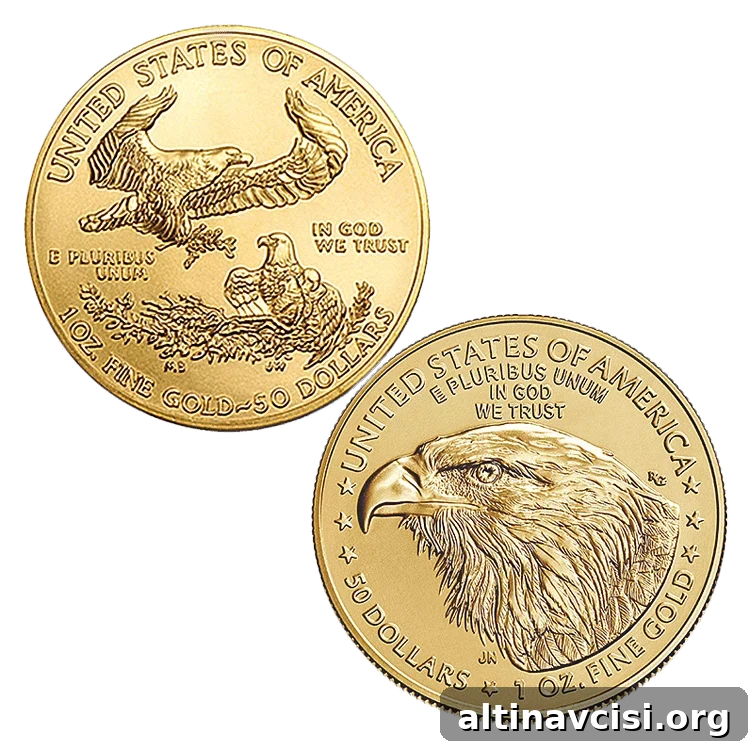
Florida Governor Ron DeSantis has signed a landmark bill (HB 999) that allows gold and silver coins to be used in everyday transactions across the state.
Under the new law, coins that meet defined purity and authenticity standards may be accepted alongside the U.S. dollar for purchases, payments and other routine exchanges. This makes Florida one of the first major states to formally enable precious-metal coin circulation as an accepted medium of exchange.
The legislation authorizes money services businesses — including check-cashing outlets, certain payment processors and other licensed financial service providers — to accept, process and transmit payments in qualified gold and silver coins. Businesses that opt to accept these coins must comply with the law’s verification and recordkeeping requirements designed to prevent fraud and ensure fair transactions.
Sponsored by Representative Bill Bankson, the bill’s supporters say it provides an additional payment option that may protect consumers and businesses from some effects of currency depreciation. By permitting tangible-asset coins with specified purity, the law aims to expand payment choice and offer a potentially more stable store of value alongside fiat currency.
HB 999 sets standards for coin purity, acceptable forms of tender, and how transactions may be recorded for tax and regulatory purposes. The statute seeks to balance the practical needs of commerce with safeguards against misrepresentation, contamination, and illicit use. It also clarifies how amounts paid in precious-metal coins are converted to dollar-equivalent values for accounting, tax reporting and sales receipts.
Businesses that accept gold and silver coins should establish clear procedures for weighing, testing and documenting coin authenticity, and disclose conversion rates to customers at the time of sale. The law provides guidance on permitted testing methods and requires transparent records so buyers and sellers can confirm the basis of any conversion or valuation used in a transaction.
While the new legislation does not replace the U.S. dollar as legal tender, it creates a legal framework for using qualifying gold and silver coins as an alternative means of payment within Florida. Proponents argue this framework promotes consumer choice and offers an option that some may view as a hedge against inflation or monetary instability.
Critics caution that adopting precious-metal coins as transactional instruments may add complexity to everyday commerce, including the need for reliable testing equipment and clear consumer protections. The law attempts to address these concerns by setting standards and requiring transparency so that both consumers and merchants can transact with confidence.
As Florida implements HB 999, businesses and consumers will have the opportunity to adopt new payment practices within the state’s regulatory framework. The law’s proponents and opponents alike will be watching how merchants, financial service providers and regulators handle the practicalities of transacting in gold and silver coins under the new rules.