Key Takeaways
- A Class 3 vault is the highest commercial rating under UL Standard 608, issued by Underwriters Laboratories. It means the vault door and wall panels can withstand more than two continuous hours of sustained attack using professional power tools and cutting torches.
- The UL 608 classification includes four levels: M (15 minutes), 1 (30 minutes), 2 (60 minutes), and 3 (120 minutes). Class 3 is the top rating.
- GoldSilver stores client metals in Class 3 vaults operated by Brinks, Loomis, and Malca‑Amit. Meeting Class 3 is a requirement for NYMEX/COMEX licensure rather than a marketing claim.
- Many bank branch vaults do not meet Class 3 standards because regulatory requirements for bank vault construction were relaxed in 1991.
- Every vault in the GoldSilver network carries insurance underwritten by Lloyd’s of London at full replacement value.
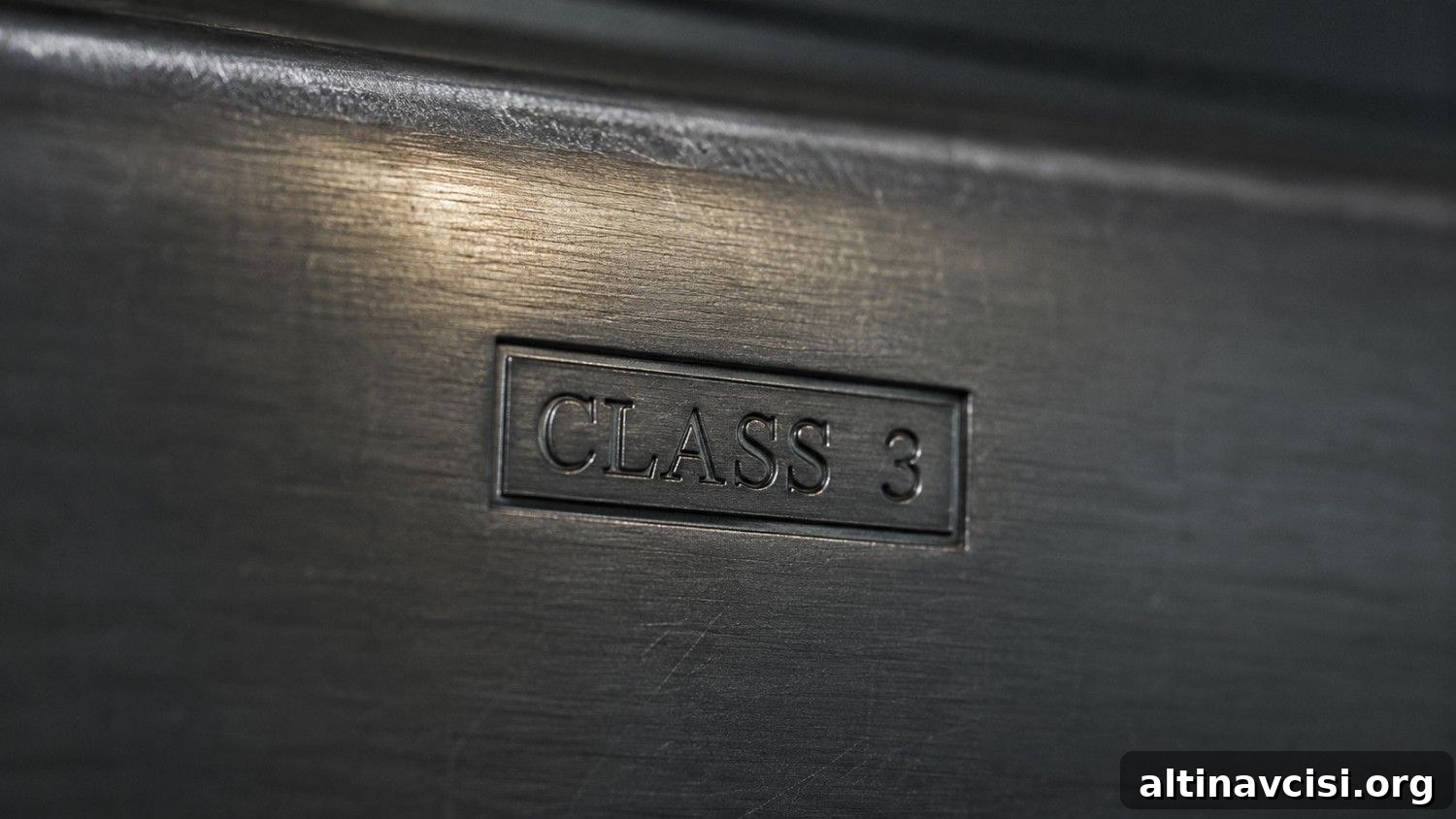
A Class 3 vault is designed and tested to resist more than two hours of continuous, expert attack using the kinds of power and thermal tools a professional team would use. That definition is precise, tested and certified under UL Standard 608 — the long‑standing industry benchmark for burglary‑resistant vault doors and modular panels.
When a custodian says your gold is stored in a Class 3 facility, that statement is not vague marketing language. It refers to a specific, audited performance standard that measures how long a vault system can resist an attacker using mechanical and thermal cutting tools. This article explains what that standard means, how it is tested, and why it matters for anyone who stores physical precious metals.
The Knowledge That Changes Everything

Two essential guides — yours free. Learn why gold matters and why fiat currencies repeatedly fail over time.
Request your free guides from the issuer or custodian directly. (Form removed for security and clarity.)
What Is a Class 3 Vault, Exactly?
Class 3 represents the highest commercial level recognized under UL Standard 608 for burglary‑resistant vault doors and modular panels. Certification under UL 608 is based on timed, repeatable laboratory tests that measure how long a vault system can withstand an expert, sustained attack. The standard counts only net working time — the clock advances only while tools are actively cutting, drilling, or otherwise engaging the structure.
The four UL 608 classes are:
- Class M — 15 minutes
- Class 1 — 30 minutes
- Class 2 — 60 minutes
- Class 3 — 120 minutes (two full hours)
Testing covers both the vault door and the modular wall panels because a secure vault requires consistent strength across all surfaces. Evaluators use mechanical and electric tools as well as cutting torches, mirroring the equipment professional attackers would employ. The independent, binary nature of the certification means a vault either meets Class 3 or it does not — there is no middle ground in the UL result.
Source: Underwriters Laboratories — UL Standard 608
How Does the UL 608 Testing Process Work?
Certified technicians attack the vault under controlled laboratory conditions with the aim of simulating a worst‑case, professional breach attempt. Tests apply a range of tools — from carbide drills and abrasive cutters to thermal cutting torches — against both the door and wall panels. Because the tests are repeatable and independently judged, the results provide a reliable, auditable statement about how long a specific vault construction will resist expert tools.
This independent testing removes ambiguity from vendor claims. A Class 3 rating is an objectively verified attribute of the physical infrastructure, not an unverified marketing term.
Why Does Two Hours of Attack Resistance Matter in Practice?
Two hours of resistance is a significant practical threshold. First, most alarm responses and law enforcement interventions occur well within that window, so a vault that holds for two hours gives detection systems time to work. Second, sustaining a prolonged, noisy, hot, and hazardous attack for two hours greatly increases complexity and cost for attackers, excluding most opportunistic criminals. Third, institutional custodians and commodity exchanges require this level of protection as part of their licensing and operating standards — making Class 3 a regulatory and market requirement for many bullion depositories.
How Does a Class 3 Vault Compare to a Standard Bank Branch?
Contrary to common belief, a bank branch vault is not automatically the strongest option. Regulatory changes in 1991 removed specific federal construction mandates for bank vaults, so many modern bank facilities no longer meet Class 3 standards. By contrast, COMEX/NYMEX‑licensed bullion depositories must meet Class 3 as a condition of their licensure, and their construction is audited against that standard. For investors, that means bullion depositories often provide stronger, independently verified physical protection than an average bank branch.
What Else Sits Behind the Class 3 Rating at GoldSilver’s Vaults?
A Class 3 door and wall system is one layer of an overall security design. Typical additional elements include:
- 24/7 armed guards at the facility
- Bullet‑resistant airlocks controlling access to the vault area
- Independent alarm systems separate from building systems
- CCTV surveillance with continuous recording
- Full replacement value insurance underwritten specifically for bullion custody
Operators like Brinks, Loomis, and Malca‑Amit combine the physical certification with institutional controls, audited processes, and specialist insurance tailored for precious metals custody. These providers are independent custodians whose core business is secure transport and storage.
Does the Vault Rating Differ Between Allocated and Segregated Storage?
No. Allocated and segregated storage options are protected by the same Class 3 security protocols. The difference lies in how the metals are recorded and physically held: allocated storage identifies holdings on a one‑to‑one basis in pooled locations, while segregated storage assigns specific bars or coins to an individual account in a distinct box or shelf. Both approaches are covered by the same infrastructure and insurance standards.
Stay On Top of Gold & Silver Prices
Get important market alerts sent straight to your inbox.
Subscribe directly with a trusted source to receive timely market updates and alerts. (Form removed for clarity.)
People Also Ask
Class 3 is the highest UL 608 rating. It signifies that the vault door and panels can resist more than two continuous hours of attack from professional power tools and cutting torches. The timing method measures only active tool engagement.
UL 608 is the standard that defines burglary resistance for vault doors and modular panels. It categorizes door and panel performance into four classes based on the minutes of expert attack resistance: M, 1, 2, and 3.
No. Since regulatory changes in 1991, banks are not universally required to meet Class 3 construction. Many bank branches use lower specifications than commercial bullion depositories, which often must meet Class 3 to retain exchange licensure.
Yes. Vaults operated through the GoldSilver network carry full replacement‑value insurance underwritten by specialist insurers for bullion custody.
On many measures, a professional bullion vault offers stronger protections: audited Class 3 construction, specialist insurance, continuous security staffing, and independent custody controls. Bank safe deposit boxes are typically uninsured for precious metals and may be inaccessible under certain banking stress scenarios.
The Structural Point: Physical Infrastructure Is Part of the Investment Thesis
Owning physical gold is not only about the metal itself but also about where and how it is stored. A Class 3 vault rating is an audited, independently tested measure of physical resilience. It is a tangible, enforceable attribute that institutional investors rely on when selecting custodians.
Specialist bullion depositories are chosen because their physical standard is measurable, their custody practices are independently audited, and their insurance is tailored to replace bullion at market value. Those operational and structural protections are available to individual investors through licensed custodians that operate to these standards.
Ready to open an allocated or segregated vault account? Contact your chosen custodian or dealer to learn about available Class 3 storage locations and insurance coverages.
SOURCES
1. Underwriters Laboratories — UL Standard 608: Burglary Resistant Vault Doors and Modular Panels.
2. GoldSilver — information on vault storage options, insurance, and custodial partners.
3. Loomis International — international logistics and transport of valuables.
Disclaimer: This article is for informational purposes only and does not constitute financial or investment advice. Consult a qualified financial adviser before making investment decisions.
You May Also Like:
- American Gold Eagle Coin: The Complete Investor Guide
- The Petrodollar System Explained: What It Is, How It Worked, and What’s Replacing It
- What Is a Self‑Directed IRA? The Complete Guide for Precious Metals Investors
- Kiyosaki Gold Prediction: Buy the Dip or Wait?
- Gold Risk‑Reward Calculator: Is Your Portfolio Actually Safe?
- What Are the Best Physical Precious Metals Products to Buy During a Correction?
- Gold Is Down 26%. Silver Is Down 51%. What Does the Stacker Do Now?