
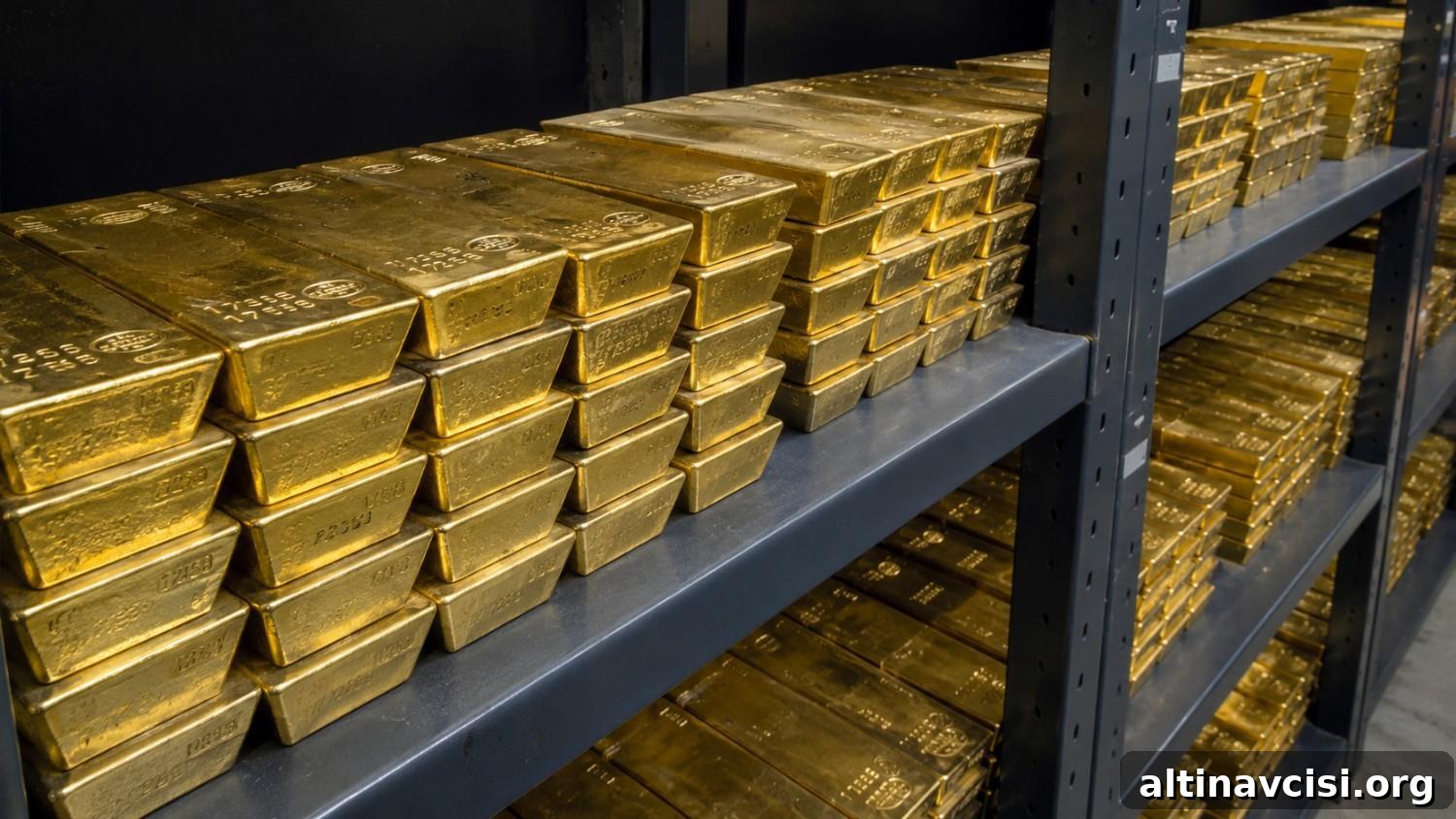
China’s central bank has published its gold reserve figures for June 2026. According to the State Administration of Foreign Exchange, the People’s Bank of China added 480,000 troy ounces of gold in June — equivalent to 14.93 tonnes. That purchase, reported on July 7, 2026, is the largest single-month addition since 2023 and extends the PBoC’s uninterrupted buying streak to twenty months, the longest continuous run on record going back at least to 2015.
As of July 7, 2026, the spot price of gold was trading near $4,122 per ounce. That places bullion roughly 24% below the all-time high of approximately $5,405 reached in late January 2026. During June, when the PBoC increased its holdings, gold briefly traded near $4,002 — its weakest level since November 2025. Overall, the second quarter marked gold’s poorest quarterly performance since 2013, with prices declining by about 16% over the period.
PBoC Monthly Gold Purchases (Mar–Jun 2026, tonnes) | Source: SAFE, World Gold Council
The speed and scale of recent purchases are notable. In May 2026 the PBoC purchased 9.95 tonnes, which was the largest monthly buy since December 2024. The June total rose sharply to 14.93 tonnes, representing roughly a 50% increase month over month. That jump took place as the market was approaching the lows of a historic quarterly decline, suggesting the purchases were driven by strategic reserve decisions rather than short-term trading motives.
Central banks do not speculate in the same way that market traders do. Reserve managers allocate assets with a long-term horizon: protecting purchasing power and ensuring the safety and liquidity of national reserves over decades. A reserve manager at the People’s Bank of China is not making decisions based on intraday futures screens in Chicago; the assessment is whether gold will help preserve value and provide resilience over a thirty-year span. Viewed through that lens, the price paid in June — whether near $4,002 or $4,165 per ounce — is part of a long-term strategy rather than a short-term market call.
The Gold Reserve Gap That Explains the Streak
Gold still represents a relatively small share of China’s foreign exchange reserves — currently less than 10%, according to the World Gold Council. By contrast, countries like the United States and Germany hold a much larger share of reserves in gold, closer to 70% in the U.S. That difference is not a short-term target to be reached quickly; it reflects a long-term structural project that may span decades. As such, China’s recent accumulation should be seen in the context of deliberate, gradual reserve rebalancing rather than an attempt to meet an abrupt benchmark.
That structural perspective helps explain why the PBoC continued buying even as gold experienced its worst quarterly downturn in more than a decade. Central banks have been significant net buyers of gold in recent years; since 2022, purchases by official institutions have been notably higher than in the prior decade. Reserve managers tend to average their purchases over long periods, and the recent pace reflects an intention to rebuild or diversify reserve allocations as part of a multi-year plan.
The World Gold Council’s research and surveys of reserve managers indicate broad confidence in further increases to official gold holdings. Many reserve managers cite gold’s unique properties: it is a liquid, non-counterparty asset that cannot be frozen or pledged, and it provides an insurance-like characteristic to a portfolio of currency reserves. These attributes make gold particularly attractive to institutions seeking assets outside the conventional dollar-based financial system.

The Edge Every Investor Needs
Smarter precious metals investing starts here. The Nuggets Newsletter brings essential market insights, Fed updates, global trends, educational videos, and much more.
The second corner: who is buying tells you something
One detail that often receives too little attention is the identity of the buyer. The institution scaling up purchases at this pace also manages China’s foreign exchange reserves — the largest pool of official reserves alongside the dollar-based system. The PBoC’s demand for gold is driven by the asset’s distinctive traits: it is not subject to counterparty risk, it cannot be frozen, and it sits outside the networks that can impose sanctions. Those characteristics make gold a logical choice for a central bank that wants a portion of its reserves to remain entirely independent of the dollar-centric financial infrastructure.
Individual investors, while operating on a far smaller scale, face a similar conceptual choice: whether to allocate part of a portfolio to an asset that requires no counterparty and provides a form of financial sovereignty. The PBoC’s June purchase is a reminder that some of the world’s most experienced reserve managers are acting independently of short-term signals from other central banks and are focusing instead on long-term resilience.
What to watch
Looking ahead, the next SAFE release, which will report July purchases, is expected in early August. Important macroeconomic data will also influence near-term market dynamics: for example, the June consumer price index reading and ongoing inflation data will shape expectations for central bank policy ahead of the July 29 FOMC meeting. If energy-driven inflation moderates meaningfully, the odds of further rapid rate hikes could fall and relieve some of the real-yield pressure that has weighed on gold. Nevertheless, the PBoC’s multi-month buying pattern has persisted through multiple Fed communication cycles since late 2024, suggesting continued accumulation is likely irrespective of short-term policy noise.
SOURCES
1. Bloomberg — China’s PBOC Buys Most Gold Since 2023 as Bullion Swings, July 7, 2026
2. South China Morning Post — China Extends Gold-Buying Binge to 20th Month, July 7, 2026
3. Investing.com — China’s Central Bank Adds Gold for 20th Consecutive Month, July 7, 2026
4. World Gold Council — Central Bank Gold Reserves Survey 2026
5. World Gold Council — Gold Mid-Year Outlook 2026, July 1, 2026
6. Bloomberg — China’s PBOC Adds Gold Again as Bullion Remains Under Pressure, June 7, 2026
7. GoldSilver.com — Live Gold and Silver Spot Prices, July 7, 2026
Disclaimer: This article is for informational purposes only and does not constitute financial or investment advice. Always consult a qualified financial adviser before making investment decisions.
You May Also Like:
- Iran Struck the Mediator’s Tanker. Gold Fell. The Funeral Ends Thursday.
- BofA Says the Stock Market Is About to Snap Back. Gold Is Down 3% This Year. Do the Math.
- Warsh Sat Out the Dot Plot. The FOMC Minutes Drop Wednesday.
- Gold Digest: Five Institutions Just Said the Same Thing About the Selloff
- Gold Hits 3-Week High as Fed Hike Odds Halve on Jobs Miss
- The Jobs Report Missed. The Unemployment Rate Fell Anyway. Gold Didn’t Buy It.
- Gold Jumps 2.5%, Silver Surges 3.85% as Rate-Hike Bets Unwind Ahead of Jobs Report