
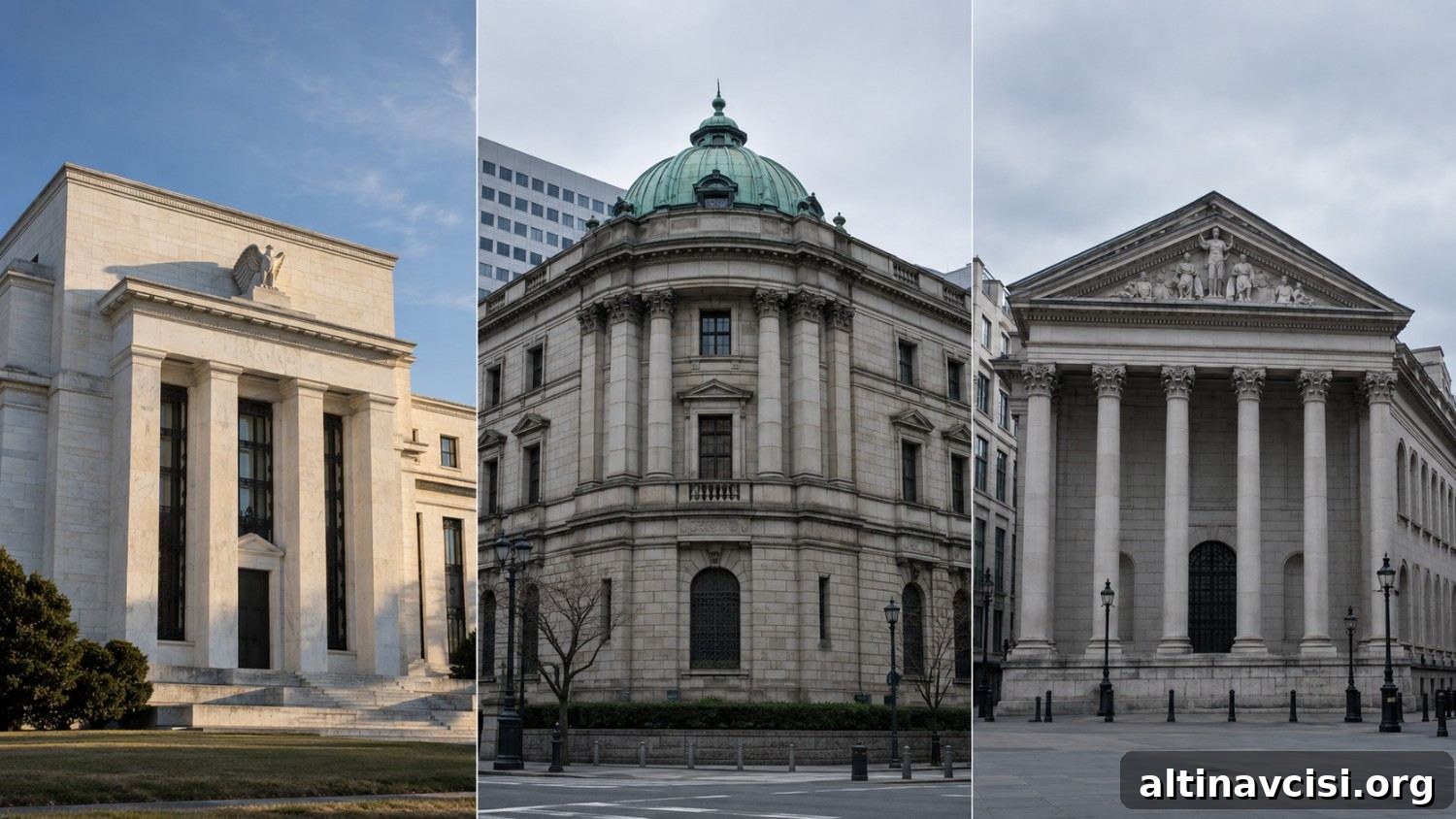
The Bank of Japan raised its policy rate by 25 basis points to 1.25% on September 18, 2026, marking the highest level since 1995. The policy board approved the move by a 7-2 vote. Because the hike was widely anticipated by markets, the yen and Japanese government bond yields showed only modest moves immediately after the announcement. Meanwhile, gold and silver continued to climb for other reasons, notably the Federal Reserve’s recent rate increase and softer oil prices this week.

The Edge Every Investor Needs
Smarter precious metals investing starts here. The Nuggets Newsletter delivers concise market insights, Fed updates, global trends, educational videos, and timely analysis to help you stay informed.
Why Did the Bank of Japan Raise Rates to a 31-Year High?
On September 18, 2026, the Bank of Japan’s policy board voted 7-2 to raise the benchmark rate from 1.00% to 1.25%. The two dissenting members preferred to hold rates steady. The central bank highlighted a clear concern in its statement: inflation could climb back above the 2% target if policy did not respond. Japan’s core inflation reading for August 2026 was reported at 1.7%, slightly below July’s 1.8%, indicating that price pressures have moderated but could trend upward without policy adjustment.
The BOJ’s decision reflects forward-looking risk management: the board acted on expected inflationary paths rather than only on present readings. Policymakers signaled urgency in closing the gap between nominal interest rates and inflation, a gap that has left household savers with negative real returns for many years. The recent hikes are an effort to restore more neutral real rates and reduce the distortion that prolonged ultra-low policy rates have created in Japan’s financial system.
External pressure also played a role. Public commentary from international figures and fiscal authorities pressed Tokyo to act to support the currency and global financial stability. The yen weakened to multi-decade lows earlier in 2026, prompting coordinated intervention in July after it reached historic lows versus the dollar. That episode, combined with longstanding negative real rates, helped shape the BOJ’s willingness to raise rates more quickly than in past cycles. The September move was the second increase since June 2026 and occurred on a faster timetable than past adjustments.
Why Didn’t the Yen Carry Trade Break Markets This Time?
One common market concern when the BOJ tightens policy is a disorderly unwind of the yen carry trade. For years, a cheap yen financed trades in which investors borrowed yen at low rates and invested the proceeds in higher-yielding assets abroad. When Japanese rates rise or the yen strengthens, those positions become costly and can trigger sharp reversals. A surprise BOJ move once sparked a rapid global unwind that affected equities and commodities.
The September 18 hike did not produce the same disruptive outcome. Markets had largely priced in a 25 basis point move, and economist surveys before the decision correctly forecast the hike. That anticipation meant traders had time to adjust positions in an orderly fashion, reducing the risk of a sudden, forced liquidation. Market reaction showed this: the yen briefly weakened and government bond yields moved only modestly, demonstrating that a priced-in policy change and a surprise hawkish shock produce very different market dynamics.
What Does This Mean for Gold and Silver Right Now?
At present, the stronger moves in gold and silver are driven more by actions from the Federal Reserve and by changes in oil prices than by the BOJ decision. Recent Fed tightening, combined with a rally in precious metals after an initial sell-off and easing oil-related pressures, has supported higher prices for both metals. US Treasury yields also played a role in shaping investor demand for safe-haven assets during the same period.
Three major central banks acted in close succession: the Federal Reserve raised rates, the Bank of England chose to hold, and the Bank of Japan raised rates to a multi-decade high. Those differing policy moves change the relative value of the dollar, pound, and yen by decree. Gold and silver are not set by policy committees; their annual supply growth is governed by mining output and geology rather than monetary votes. That fundamental difference explains why metals often behave differently from currencies and bond yields after central bank decisions.
In short, the BOJ hike is an important data point for global markets, but it has not become the primary driver of the recent precious metals rally. Investors watching gold and silver should continue to follow Fed policy, real yields, and commodity dynamics, while treating the BOJ decision as part of a broader set of forces shaping the outlook.
Stay On Top of Gold & Silver Prices
Get important market alerts sent straight to your inbox.
SOURCES
1. CNBC coverage of the Bank of Japan rate move and market reaction, September 2026. 2. Bloomberg reporting on the BOJ decision and market context. 3. The Japan Times analysis of the BOJ meeting and inflation outlook. 4. Asia Times commentary on international pressure and policy implications. 5. Historical reporting on the yen carry trade and past market unwind. 6. Federal Reserve and Treasury yield data as published by public rate series. 7. Price benchmarks referenced to industry spot and futures sources.
Disclaimer: This article is informational only and does not constitute investment advice. Past performance does not predict future results. Consult a qualified financial advisor before making investment decisions.
You May Also Like:
- The Fed Hiked. The Bank of England Held. They Landed on the Same Rate.
- Jobless Claims Just Beat Estimates. Gold Rallied Anyway. Here Are 4 More Signals Behind It.
- Gold and Silver Rip Higher as the Fed-Hike Selloff Reverses
- The Fed Just Hiked. 16 of 18 Officials Say It’s Not Done.
- $603 Million Left the World’s Biggest Gold ETF. It Didn’t Leave Gold.
- Texas Just Made Gold Legal Money. Four More Non-Fed Stories Followed.