
Gold vs I Bonds: Why Gold Matters When Bonds Track CPI
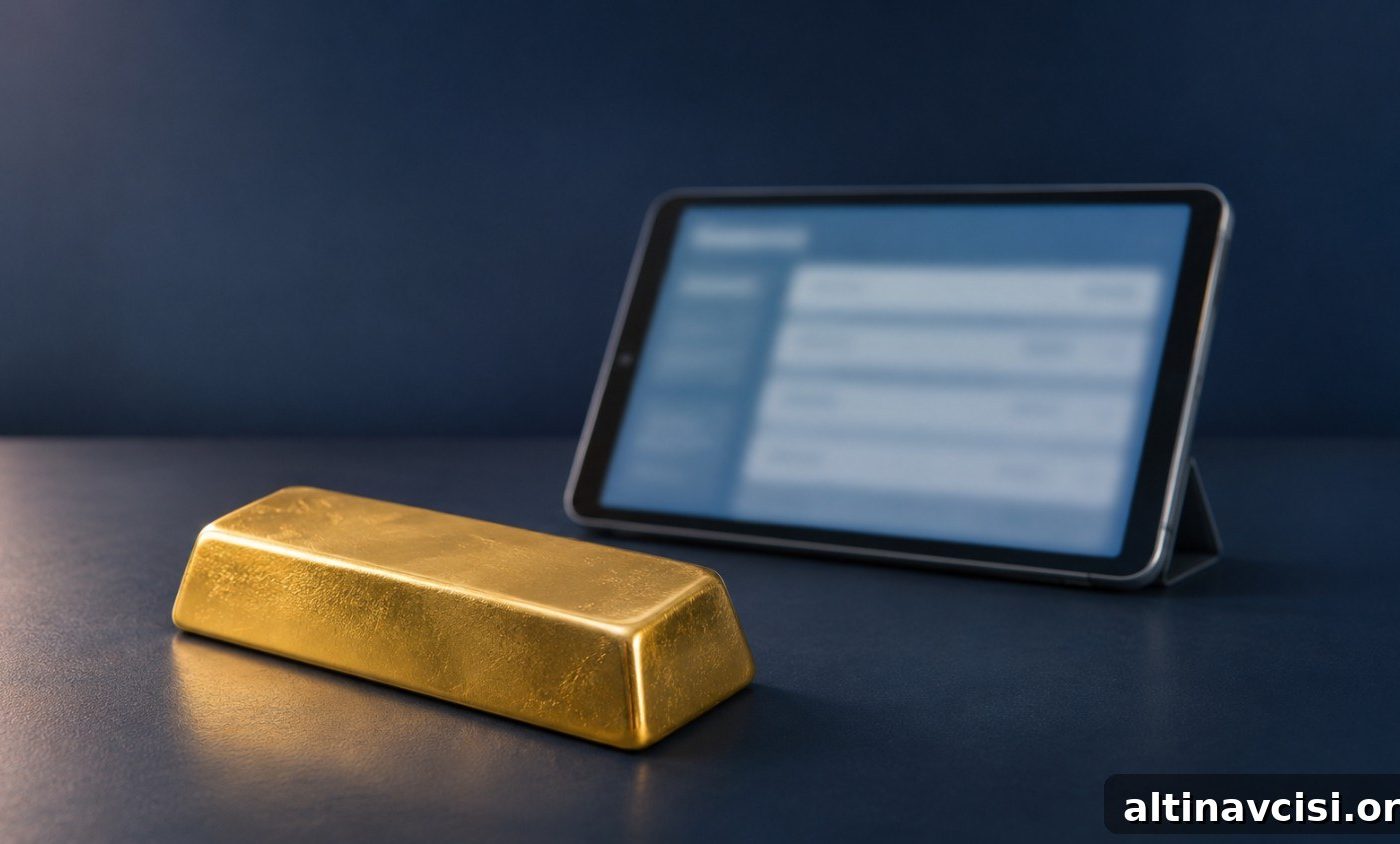

Choosing between physical gold and Series I savings bonds is a decision about different kinds of protection. I Bonds earn interest made up of a fixed component plus a variable inflation component tied to the Consumer Price Index for All Urban Consumers (CPI-U). Physical gold pays no interest and does not reset to CPI; its value depends on the market price at any given time. Neither option guarantees that your holdings will fully preserve your personal living costs, so consider liquidity, taxes, costs and your time horizon before deciding.
I Bonds come with specific redemption rules set by the U.S. Treasury. By contrast, a gold coin or bar has no Treasury-imposed waiting period, though the sale price you receive can be below the price you paid. Both assets can play a role in a diversified plan, but they serve different goals.
Key takeaways
- I Bond interest combines a fixed rate with a semiannual inflation adjustment based on CPI-U. Physical gold has no CPI-linked reset.
- I Bonds generally cannot be redeemed for the first 12 months; if redeemed before five years you forfeit the last three months of interest.
- Physical gold provides direct ownership but typically involves dealer markups on purchase, lower buyback offers, and possible storage and insurance expenses.
Gold vs I Bonds: How each responds to inflation
I Bonds deliver a predictable formula: a fixed rate that remains attached to the individual bond plus an inflation rate that resets every six months using CPI-U. Interest accrues monthly and compounds semiannually; bonds continue to earn interest for up to 30 years. Electronic bonds credit interest at redemption or final maturity, while paper bonds must be presented for payment. The combined rate cannot fall below zero.
Keep in mind that CPI-U is a broad measure and may not match your personal inflation experience. Federal income tax can also reduce the real return you retain. Fixed rates vary based on the bond’s issue date, so the yield on one I Bond can differ from another.
Physical gold has no contractual link to CPI. Its price reflects supply and demand in global markets and investor sentiment. Historical analyses from industry groups have argued gold can act as a strategic hedge against certain kinds of inflation or currency weakness, but past patterns do not guarantee future results. Gold’s short-term performance is mixed: it can appreciate during some downturns and fall during others. When evaluating inflation protection, compare how each asset has behaved across different timeframes and under different economic stresses, and focus on the risks each dollar must carry rather than assuming one asset will always outperform.
The Knowledge That Changes Everything
Two essential guides — yours free. Learn why gold matters and the risks associated with fiat currencies.
When can you convert an I Bond or gold into cash?
I Bonds normally require a 12-month holding period before redemption. The Treasury may permit early cash-outs in limited circumstances such as qualifying disasters or specific financial hardships, but these exceptions are rare. Redeeming an I Bond within five years results in the loss of the last three months of interest. I Bonds are not traded on securities exchanges; they are redeemed through TreasuryDirect or presented for payment if paper-form bonds are involved.
Physical gold can be offered for sale at any time, but that does not guarantee immediate access to retail cash at the advertised spot price. Dealer buyback offers depend on coin or bar type, dealer inventory, and current market conditions. Global gold markets are deep and liquid overall, especially for large trades, but retail sales can incur spreads, shipping delays or limits on immediate payment. If quick access is your priority, compare dealer procedures, local market options and alternatives like selling to reputable dealers or peer-to-peer buyers.
What role can physical gold play if you own I Bonds?
Physical gold offers ownership of a tangible asset rather than another promise of interest. That can diversify the types of risk in your portfolio: a bond is an instrument backed by an issuer’s rules and payment obligations, while gold is a commodity whose price is determined by the market. Owning a coin or bar means you are exposed to dealer spreads, potential storage terms, insurance costs and the variability of resale prices. Direct ownership changes the nature of your exposure; it does not eliminate risk.
Historical episodes show gold sometimes rising when other assets fall, but those outcomes are period-dependent and not guaranteed. If combining I Bonds and gold, think about time horizon, liquidity needs and the reasons you hold each asset — whether for inflation protection, diversification, or a store of value outside the financial system.
Costs and taxes that affect the comparison
Buying new physical gold usually includes a premium above spot price. Additional costs can include delivery, secure storage, insurance and dealer buyback spreads. Because gold does not generate interest, any income you could have earned from a bond is part of the opportunity-cost comparison.
I Bond interest is subject to federal income tax but is exempt from state and local income tax. Some taxpayers may qualify to exclude I Bond interest for education expenses under specific rules. Cash-method taxpayers often defer reporting I Bond interest until redemption, final maturity or another taxable disposition; annual reporting is available as an alternative under IRS consistency rules.
Gains from selling physical gold held longer than one year and held outside retirement accounts are taxed under collectibles rules for federal capital gains, with a maximum rate that has historically been higher than ordinary long-term capital gains rates for stocks. A separate net investment income tax may also apply to certain taxpayers. Tax treatment varies by situation, so consult a tax professional before making decisions.
In short, I Bonds are most appropriate for funds you can set aside for at least a year and value being tied to a broad price index. Gold serves a different objective: ownership of a tangible asset outside a bond’s interest formula. Before comparing returns, compare access and exit costs: when can you use the money, what will selling cost, and whose obligation will remain on your balance sheet?
Stay On Top of Gold & Silver Prices
Get important market alerts sent straight to your inbox.
People Also Asked
No. TreasuryDirect bases the inflation component on CPI-U, a broad nationwide index, not on individual household spending patterns. If your personal costs—rent, health care, education or other categories—rise faster than CPI-U, your I Bond returns may lag your own inflation experience, particularly after federal taxes.
A newly issued I Bond generally cannot be redeemed for 12 months, and even gold sales can take time and may not fetch the spot price immediately. Neither asset should be treated as guaranteed instant cash for an urgent bill without planning for transaction time and possible price variation.
TreasuryDirect’s standard limit for electronic I Bonds is $10,000 per calendar year per Social Security number for individuals. Certain additional purchase options, gifts and entity accounts have separate rules. Check TreasuryDirect rules for the current annual purchase limits and allowable exceptions.
I Bond interest is generally subject to federal income tax but exempt from state and local income tax, with specific reporting options. Profits on physical gold sold after more than one year are taxed under collectibles capital-gains rules for federal tax purposes; additional surtaxes on investment income may apply depending on taxpayer circumstances.
SOURCES
TreasuryDirect materials on I Bonds and savings bonds; IRS guidance on investment income and capital gains; U.S. tax code provisions; analyses and research from industry groups including the World Gold Council. The World Gold Council represents the gold industry; its historical analysis is not a forecast.
Disclaimer: This article is informational only and does not constitute investment advice. Past performance is not indicative of future results. Consult a qualified financial or tax advisor before making investment decisions.
You May Also Like:
- Can AI Gold Mining Increase Gold Supply?
- Gold as Emergency Fund: Pros, Cons and Liquidity
- Gold Price Outlook November 2026: Yields, Fed and Floors
- Gold to Copper Ratio: Does It Predict Gold or Yields?
- Gold in Retirement: Can It Reduce Sequence Risk?
- Gold and Silver Outlook 2027: Forecasts and Risks
- Gold Vault Storage: Inside a Brink’s Vault
Popular Topics
Picked from the archive
-
01
 Topics
Gold Pullback Driven by Treasury Buyback, Not ETFs
-
02
Topics
Fed Vote Wednesday: Key Gold Decision Arrives Friday
-
03
Topics
Fed Names AI Top Inflation Threat, Gold Reacts
-
04
Topics
Why Gold Prices Held Steady After Iran Peace News
-
05
Topics
Why Gold and Silver Are Rising: Five Reasons Experts Disagree
-
06
Topics
Consumer Confidence Falls Again, Gold Sends Different Signal
-
07
Topics
Natixis: Could Gold Hit $3,340 If Central Bank Buying Slows?
-
08
Topics
Why Silver Rose Despite JPMorgan’s Demand Warning