Gold Drops 3% as Hormuz Standoff Boosts Fed Hike Odds to 66%
Last verified: September 28, 2026
Iran did not secure a ceasefire this weekend, but it proposed one. Instead of rising as a “safe haven” amid heightened geopolitical risk, gold slipped. The market’s reaction underscores how monetary policy expectations can outweigh short-term geopolitical shocks.
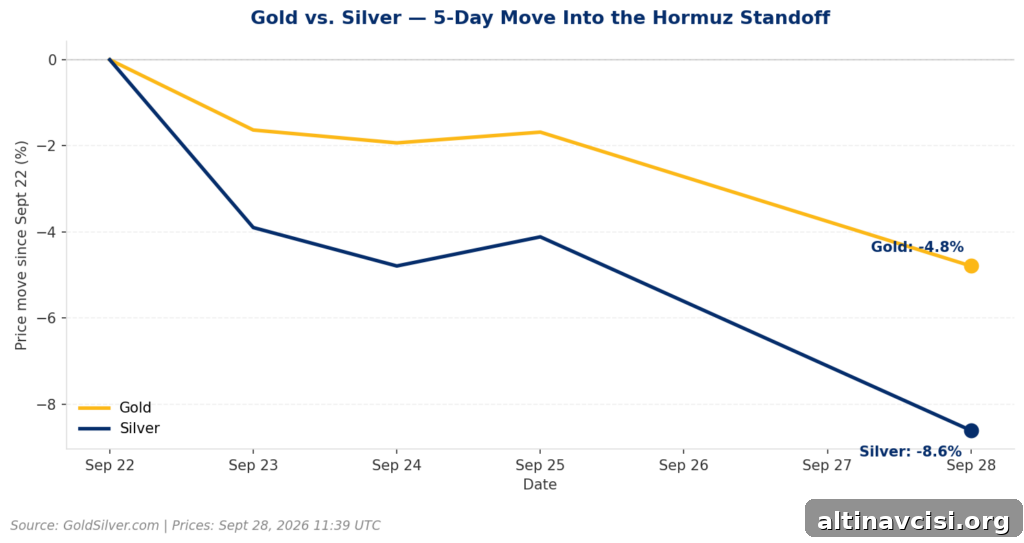
As of Monday, gold was trading near $4,150 per ounce, down roughly 3.2% from Friday’s close around $4,285 — the fastest one-day decline in weeks. Silver fell even more sharply, down about 4.7% to approximately $61.29 per ounce, pushing the gold-silver ratio toward 67.7-to-1.
Key Takeaways:
- Gold fell about 3.2% to roughly $4,150/oz and silver fell about 4.7% to roughly $61.29/oz on Monday after the U.S. rejected Iran’s weekend proposal to reopen the Strait of Hormuz within seven days.
- Money markets now assign roughly a 65.9% chance of another Federal Reserve rate hike at the October 27–28 meeting, up from 57.6% a week earlier and just 9.4% a month ago.
- This remains an active hiking cycle rather than a delayed cut: the Fed raised its target range to 3.75%–4.00% on September 16, its first increase since 2023, and officials’ projections point to somewhat higher rates ahead.
- Silver’s larger decline is consistent with a broader dollar-and-yield move rather than a silver-specific shock; silver’s higher beta and industrial exposure amplify swings.
Why Did Gold Fall Today?
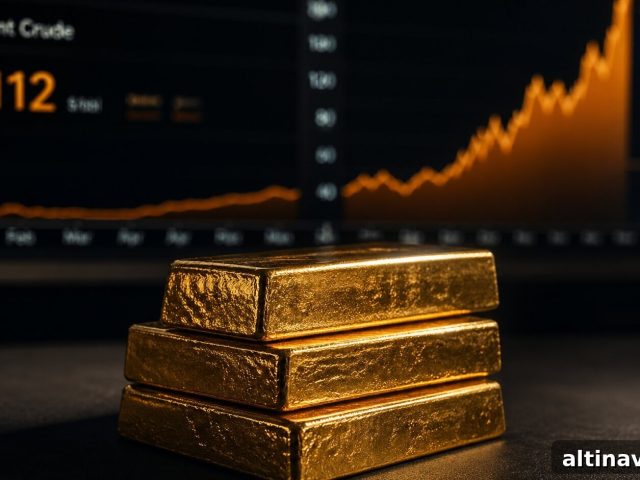
At the United Nations General Assembly last Friday, Iran’s foreign minister proposed reopening the Strait of Hormuz within seven days if the U.S. ended its naval blockade, lifted oil sanctions and released frozen funds. The proposal was publicly rejected over the weekend, and U.S. officials signaled the possibility of renewed strikes after the November midterms, while also indicating that talks could resume this week. The immediate market response reversed early optimism: Brent crude jumped more than 3% toward $107 per barrel on Monday after easing on Friday’s initial hopes. Since about one-fifth of global oil flows through the strait, higher oil prices feed directly into inflation expectations.
What’s the Real Mechanism Behind the Selloff?
The selloff operated through monetary policy channels rather than pure fear. Higher oil — near $107 a barrel — directly increases headline inflation, strengthening the case for additional Fed tightening. Markets now price a significantly higher probability of another hike at the October meeting. The Fed’s September 16 rate increase (to a 3.75%–4.00% range) and officials’ remarks pointing to the possibility of more tightening have raised the expected real return on cash and short-term instruments. Because gold yields nothing, an increase in expected short-term returns makes gold relatively less attractive compared with interest-bearing assets.
Strategists at OCBC summarized the backdrop: resilient U.S. economic data, elevated energy prices and lingering inflation concerns are pushing Treasury yields higher and supporting the dollar, which in turn weighs on rate-sensitive assets like gold. Several Fed officials reiterated hawkish views, warning that elevated prices must not be accepted as the new norm and suggesting modest additional tightening could be necessary.
What’s the Deeper Story for Gold and Silver?
Gold’s structural fundamentals remain intact: it is finite, free of counterparty risk and exists outside the conventional currency system. Those attributes underpin its long-term appeal. Near-term price action, however, is heavily influenced by expectations for interest rates and the dollar. When the Fed is actively raising rates, that acts as a direct headwind to gold even as inflationary pressures push in the opposite direction.
Silver’s larger move provides a clear signal about the drivers of the selloff. Silver is more sensitive to shifts in liquidity, the dollar and the discount rate because it carries higher industrial exposure and greater beta than gold. When moves are driven by rising yields and a firmer dollar, silver often falls further and faster — exactly what we saw on Monday. That pattern points to a macro liquidity squeeze rather than a metal-specific shock.
For holders of physical precious metals, a single volatile trading day is generally not a reason to change a long-term position. For potential buyers weighing entry, the relevant question is what they stand to lose by waiting while a hiking Fed reduces gold’s near-term relative appeal. Investment decisions should factor in both the metal’s structural case and the current monetary policy cycle.
What Should Investors Watch Next?
Key data coming this week include the September personal consumption expenditures (PCE) price index and Friday’s nonfarm payrolls report, both released ahead of the October 27–28 Federal Open Market Committee meeting. A hotter-than-expected inflation reading or stronger jobs report would likely increase odds of another Fed hike and further pressure gold. Conversely, softer reads could create the first significant opportunity for gold to rebound. Keep an eye on Brent crude: as long as the Strait of Hormuz standoff keeps oil elevated, the inflation-to-rate-hike channel that pressures gold remains open.
SOURCES
1. Al Jazeera – Oil Prices Surge After Trump Rejects Iran’s Plan to Reopen Strait of Hormuz (28 September 2026)
2. CNBC – Brent Crude Tops $107 as Trump Rejects Iranian Proposal to Reopen Hormuz Strait (28 September 2026)
3. FXStreet – Silver Price Forecast: XAG/USD Falls to Near $62.00 Amid Fed Rate Hike Odds (28 September 2026)
4. FXStreet – Gold Slides Nearly 3% as Fed Hike Bets, Rising Treasury Yields Weigh (28 September 2026)
5. FXEmpire – Gold (XAU/USD) & Silver Price Forecast: Fed Hike Bets Deepen Metals Selloff (28 September 2026)
6. Investing News Network – Gold Price Drops Below US$4,300 as Fed Hikes Rates (16 September 2026)
Disclaimer: This article is for informational purposes only and does not constitute investment advice. Past performance is not indicative of future results. Always consult a qualified financial advisor before making investment decisions.
You May Also Like:
- Sentiment Rose to 48.1. Gold Sold Off Anyway. The Number That Mattered Was 4.6%.
- Five Institutions Just Changed How You Can Own Gold and Silver
- Gold and Silver Rebound as the Dollar and Treasury Yields Take a Pause
- India’s Gold Imports Fell 58%. Silver Imports Rose 127%.
- Municipal Bonds Just Broke a 15-Year Record. Gold Doesn’t Have This Problem.
- Washington Sold $70 Billion in Debt. Wall Street Only Wanted Part of It.
- Gold’s Price Barely Moved. Five Institutions Repositioned Anyway.
- Iran Repeated Its Hormuz Demand at the UN. The Market Already Priced It In.
- Today’s PMI Beat Cuts Gold Two Ways. Only One Side Has Been Priced In.
Popular Topics
Picked from the archive
-
01
 Topics
How the Fed Picks Gold Market Winners
-
02
Topics
Silver Price Outlook Sep 2026: Hike Priced In, Positioning Lags
-
03
Topics
Gold Price Outlook June 2026: CPI Impact and Fed Signals
-
04
Topics
Why One Central Bank Sold Gold and Why Most Haven’t
-
05
Topics
Record Gold ETF Outflow Sparks Debate as China Disagrees
-
06
Topics
Why Gold Surges When the Strait of Hormuz Opens and Then Falls
-
07
Topics
Seigniorage: How Inflation Acts as a Hidden Tax on Your Dollars
-
08
Topics
Gold Price Falls Before US Market Opens