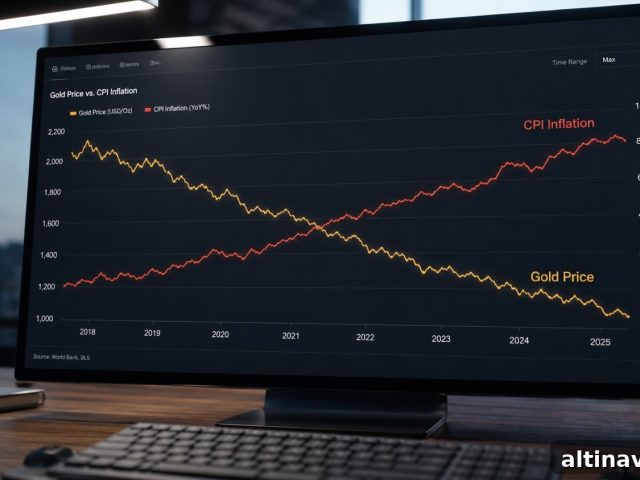
Gold Price Drops to $4,271 – 5 Underlying Market Trends

Gold slipped to $4,269.77 today and silver dropped to $62.91, each down more than 1.7% in early U.S. trading as Fed rate‑hike odds climbed. That market move is the headline, but it’s only the surface. Five deeper stories—regulation, sovereign custody, mine supply, storage strategy, and a veteran trader’s candid confusion—are exerting more influence on gold and silver than the intraday prints. Below are the developments shaping the metals beyond today’s price action.
Is the UK About to Exempt Tokenized Gold From Fund Rules?
The UK Financial Conduct Authority has opened a consultation asking whether tokenized gold—digital claims backed by physical bullion—should be treated differently from existing fund products. The review, conducted jointly with the Treasury and the Bank of England, questions whether current fund rules are the right fit for digital claims on bullion or whether a tailored regulatory regime is needed. London still clears a large share of global gold trading, meaning any change to how tokenized bullion is regulated in the UK could reshape market infrastructure worldwide. The consultation window runs through October 23. The topic echoes prior U.S. moves that clarified the regulatory status of digital commodities, and it signals that policymakers are wrestling with how best to integrate tokenization into established precious‑metals markets.

The Edge Every Investor Needs
Smarter precious metals investing starts with reliable, timely analysis. Sign up for concise market insights, Fed updates, and educational content designed for active investors.
Why Is Spain Under Pressure to Pull Its Gold Out of the US?
Spain holds roughly 289 tonnes of gold, and some officials are calling for part of those reserves to be repatriated from New York. This debate is part of a broader trend: central banks have been shifting toward onshore custody of reserves. A recent survey found a growing share of central banks prefer to store their gold domestically rather than abroad. The Bank of Spain has not disclosed how much of its reserve is held in the United States, and that silence is telling. When a major central bank hesitates to specify custody arrangements, the underlying question is trust—how comfortable is the institution with foreign custodial arrangements, even inside a trusted jurisdiction like the U.S.? The answers influence not just national policy but also international vaulting, insurance, and settlement patterns.
Could a Congress Fight in Peru Tighten Your Silver Supply?
Peru and Mexico are crucial suppliers of mined silver, together accounting for a very large share of global output. In Peru, Congress is debating another extension of the REINFO registry, which allows small‑scale miners to keep working while they formalize operations; the registry currently covers tens of thousands of miners and is due to expire later this year. In Mexico, a pending ban on open‑pit mining and delays in implementing recent mining reforms have left regulatory uncertainty in place. These upstream issues matter because the global silver market is already running a multi‑year deficit. Production slowdowns or regulatory interruptions in supply‑heavy jurisdictions can tighten physical availability and put upward pressure on prices over the medium term. For investors and consumers alike, policy in these countries is a supply risk worth watching closely.
Where Should a US Gold Owner Actually Store Bullion Abroad?
Dubai, Singapore, and Switzerland frequently appear in comparisons of foreign vaulting options. Each jurisdiction offers distinct advantages: Dubai and Singapore provide geographic access to Asian and Gulf markets; Singapore offers strong political stability and favorable tax treatment for investment‑grade metal; Switzerland brings a long‑standing vaulting industry with extensive service networks. For U.S. owners, however, the critical consideration is the custody arrangement rather than the country. U.S. reporting rules such as FBAR and FATCA focus on whether the arrangement constitutes a financial account or a custodial relationship. Bullion held outright and physically controlled by its owner generally does not trigger the same reporting obligations as metal held in a custodial account that grants a third party control or transfer rights. Choose storage primarily on access, insurance, and contractual custody terms—not in an attempt to avoid reporting responsibilities that may still apply.
Why Is a 35‑Year Gold Trader Confused by This Rally?
Ross Norman, a market veteran with decades of experience trading gold, has said the current rally is difficult to explain. His concern centers on market structure: in a derivatives‑heavy environment, prices can at times decouple from the traditional drivers—real yields, inflation expectations, and dollar moves—that historically explain gold’s behavior. When a trader who has navigated many cycles admits uncertainty about a rally’s underlying mechanics, it’s a useful caution. A rally that lacks clear, fundamental support isn’t necessarily unsustainable, but it does warrant discipline: understand your reasons for holding the metal and reassess risk exposure rather than assuming the price move alone validates the position.
None of these five stories will appear directly in tomorrow’s price candle, but regulation, custody choices, upstream supply issues, storage structure, and market‑structure doubts are the forces shaping the metals market over the next six months. Paying attention to these structural themes can offer better perspective than focusing only on short‑term headline moves.
Sources
1. LBMA — Precious Metal Prices (accessed 14 September 2026)
2. CME Group — FedWatch Tool (accessed 14 September 2026)
3. Cointelegraph — UK FCA Weighs Fund Rules Exemption for Tokenized Gold (published 14 September 2026)
4. SEC.gov — SEC Clarifies Application of Federal Securities Laws to Crypto Assets (published 17 March 2026)
5. FXStreet — Spain Ponders Whether It Should Get Its Gold Out of the United States (published 13 September 2026)
6. OMFIF — Central Banks Are Turning Back to Gold (World Gold Council‑sourced custody data)
7. Rio Times — Gold and Silver Coverage on REINFO and Mexican Mining Regulation (published 14 September 2026)
8. Crux Investor — Mexico & Peru Supply Constraints and the Silver Market (citing World Silver Survey 2026)
9. BNO News — Dubai, Singapore, or Switzerland: Where to Buy and Store Gold? (published 12 September 2026)
10. IRS.gov — FBAR and FATCA reporting guidance (accessed 14 September 2026)
11. ZeroHedge — Commentary from Ross Norman (published 11 September 2026)
Disclaimer: This article is informational only and does not constitute investment advice. Past performance does not guarantee future results. Consult a qualified financial advisor before making investment decisions.
You May Also Like:
- Gold Just Ignored a War. Here’s What It’s Actually Watching.
- Five Things Are Moving Gold and Silver Today. They All Point to the Same Argument.
- Gold and Silver Price Today: Why They Just Reversed
- Core Inflation Ran Hot. Gold and Silver Rallied Anyway.
- Gold and Silver Fall as Hot PPI Lifts Fed Rate‑Hike Odds
- Five Signals Pointing the Same Way Into Next Week’s Fed Decision
Popular Topics
Picked from the archive
-
01
 Topics
How the Fed Picks Gold Market Winners
-
02
Topics
Silver Price Outlook Sep 2026: Hike Priced In, Positioning Lags
-
03
Topics
Gold Price Outlook June 2026: CPI Impact and Fed Signals
-
04
Topics
Why One Central Bank Sold Gold and Why Most Haven’t
-
05
Topics
Record Gold ETF Outflow Sparks Debate as China Disagrees
-
06
Topics
Why Gold Surges When the Strait of Hormuz Opens and Then Falls
-
07
Topics
Seigniorage: How Inflation Acts as a Hidden Tax on Your Dollars
-
08
Topics
Gold Price Falls Before US Market Opens