Why Gold Prices Are Falling: What Most Investors Get Wrong

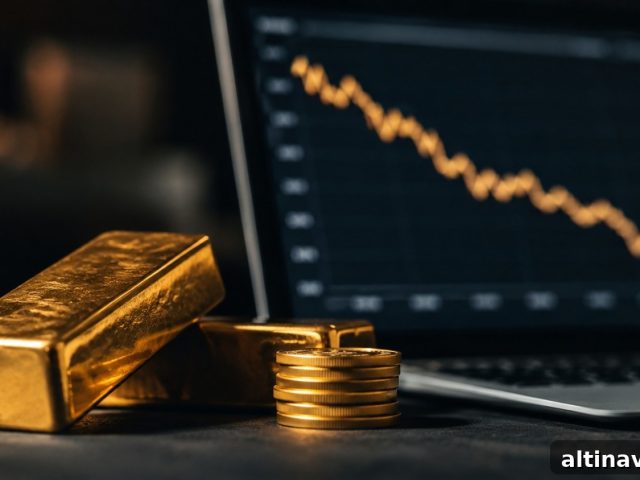
Gold is trading lower this morning, and the primary catalyst is an oil shock centered nearly 7,000 miles away in the Strait of Hormuz. Over the weekend, U.S. naval forces struck three Iranian oil tankers—destroying one and disabling two, according to official statements—while Iran’s Revolutionary Guard retaliated against three tankers and three vessels linked to the U.S. The confrontation sent Brent crude toward roughly $98 a barrel, pushing oil prices sharply higher. Typically, heightened geopolitical risk in the Middle East drives demand for gold as a refuge. Today’s price action, however, shows the market treating this episode as an energy-driven inflation shock rather than a classic fear trade.
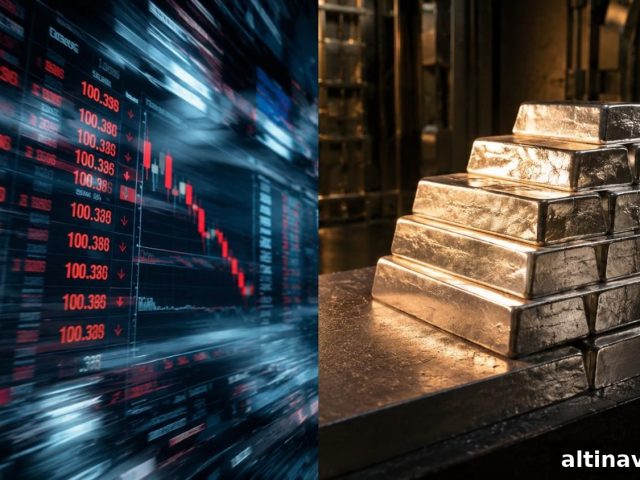
Gold and silver spot prices, September 4–8, 2026 (CME price data). The Sept 7 flat segment reflects thin holiday-session trading; Tuesday morning shows the Hormuz-driven volatility described in this article.
Why Is Gold Falling Amid Rising Iran Tensions?
Spot gold sits near $4,402 an ounce this morning, down roughly 0.6% from the open using CME pricing. Silver has held up better, trading around $66.11 and off about 0.2%. The difference between the two metals is instructive: when investors buy precious metals purely as a safe haven, gold and silver typically rise together, with silver often lagging because it also has an industrial component. Today’s relative strength in silver suggests this is not a typical panic-driven rally into safe assets. Instead, markets appear to be repricing the economic implications of a sudden rise in oil prices—chiefly, higher near-term inflation and a potential shift in the Federal Reserve’s policy outlook.

The Edge Every Investor Needs
Smarter precious-metals investing begins with timely context. Subscribe for market insights, Fed updates, trend analysis, and educational coverage.
What Happened in the Strait of Hormuz Over the Weekend?
U.S. strikes reportedly hit three Iranian oil tankers on Saturday, disabling two and destroying one, while Iran’s Revolutionary Guard responded with attacks on multiple tankers and several vessels tied to U.S. interests. The disruption pushed Brent crude roughly 9% higher over the previous five trading days, peaking near $98 a barrel before easing slightly. The Strait of Hormuz is a crucial maritime chokepoint that carries a significant portion of the world’s seaborne oil. Even a partial disruption there reverberates through energy markets, raising short-term uncertainty about supply and transport risks.
Why Does an Oil Spike Work Against Gold Instead of For It?
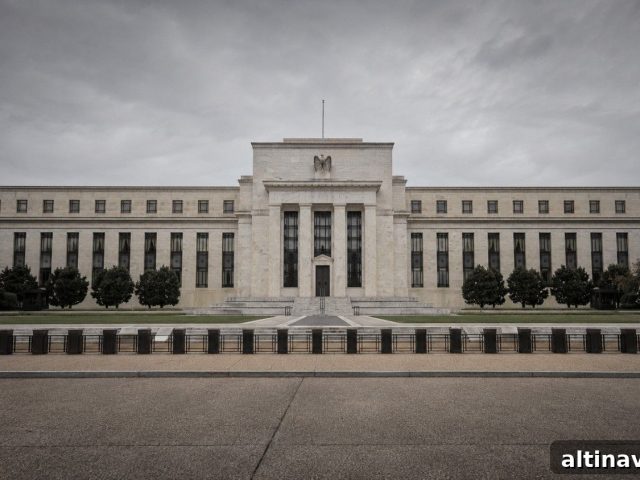
A straightforward safe-haven bid would lift gold regardless of implications for inflation or interest rates. An oil-supply shock, though, has a different transmission mechanism: it raises near-term inflation expectations precisely as the Federal Reserve approaches a scheduled policy meeting. With the Fed meeting on September 15–16 and the August consumer price index due shortly beforehand, markets are recalibrating the odds that the Fed will tighten again. As this article’s data showed, CME FedWatch pricing moved to imply roughly a 58% probability of a quarter-point rate increase. Higher expected rates tend to strengthen the dollar and lift short-term real yields—both of which reduce gold’s relative appeal because gold yields nothing. In short, the prospect of tighter monetary policy in response to rising oil-driven inflation can outweigh the traditional flight-to-safety impulse that supports gold.
What Comes Next Before the Fed’s September 16 Decision?
Two events will be watched closely between now and the Fed’s decision. First, the August CPI report—slated to be released just days before the meeting—will reveal whether higher oil prices are already translating into broader inflation readings. A noticeable acceleration there would strengthen the case for additional tightening and keep gold under pressure from a higher-rate expectation. Second, the situation in the Strait of Hormuz remains fluid: if tensions calm and oil prices retreat, the inflation impulse fades and the market’s policy outlook could reverse quickly. Expect elevated volatility and two-way price pressure in gold and related markets through the Fed meeting rather than a clean resolution beforehand.
None of this alters the long-term rationales for owning physical gold and silver. For investors seeking protection against currency debasement or policy trade-offs between fighting inflation and supporting growth, precious metals retain their strategic role. Short-term price moves—driven by oil shocks, technical positioning, or shifting rate expectations—do not invalidate the structural case for holding metal outside of a futures-only allocation.
SOURCES
1. NPR — U.S. strikes Iranian oil tankers after Navy ships targeted
2. Euronews — Iran reports attacks as strikes in the Strait of Hormuz intensify
3. Al Jazeera — Oil prices surge as U.S.-Iran strikes intensify in the Strait of Hormuz
4. Bloomberg — Oil market news and analysis for early September 2026
5. CBS News — U.S.-Iran developments and oil-market impacts
6. U.S. Bureau of Labor Statistics — Consumer Price Index schedule and releases
Disclaimer: This article is for informational purposes only and does not constitute investment advice. Past performance is not indicative of future results. Consult a qualified financial advisor before making investment decisions.
You May Also Like:
- Even Central Banks Don’t Trust Someone Else’s Vault Anymore
- Why Gold’s Dip Below $4,400 Didn’t Spook Wall Street
- China’s Record Gold Buying and What It Means for Markets
- Why Payroll Revisions Can Move Gold Even When Jobs Look Strong
- How Bond Market Inertia Tells a Different Story Than Gold’s Flash Moves
Popular Topics
Picked from the archive
-
01
 Topics
Warsh Skips Fed Dot Plot, FOMC Minutes Release Wednesday
-
02
Topics
Gold Coins vs Gold Bars: Compare Value, Liquidity and Costs
-
03
Topics
Why Gold Prices Held Steady After Iran Peace News
-
04
Topics
Iran’s War Deadline Sparks Gold and Silver Price Volatility
-
05
Topics
Oil Up 7% Yesterday, Silver Down: Physical Buyers Pivot
-
06
Topics
War Sends Gold Prices to Worst Quarter Since 2013
-
07
Topics
Should You Buy Gold Now During a Dip? Timing and Risks
-
08
Topics
August 2026 Gold Outlook: How Three Data Prints Move Prices