Which Gold Coins and Bars Are IRA Eligible
Not every gold coin or bar qualifies for a Gold IRA. By default the Internal Revenue Service (IRS) treats physical metal as a “collectible.” Buying the wrong product with retirement funds doesn’t just waste money — it results in an immediate taxable distribution. This guide explains which gold is IRA-eligible, why the rule exists, and how to avoid the common mistakes that trap first-time buyers.
What Makes Gold “IRA-Eligible”?
Gold is IRA-eligible only when it meets two requirements: a minimum fineness of 0.995 (99.5% pure) and physical custody by a bank or an IRS-approved non-bank trustee or depository. Both conditions must be satisfied. A bar that is pure enough but stored at home does not qualify. Likewise, a coin held by an approved custodian but below the purity threshold also fails. The law treats the combination of metal quality and custody as the test for whether a retirement account holds an investment or a collectible.
This rule is set by the Internal Revenue Code. Under IRC Section 408(m), an IRA’s acquisition of a “collectible” is treated as a distribution equal to the purchase price, taxable in the year acquired. That general rule would include most coins and bullion, but the code provides a narrow exception for bullion in gold, silver, platinum, and palladium at specified fineness levels — and only if an approved custodian holds it in physical possession. If either the metal or the custody requirement is unmet, the IRS treats the purchase as a taxable withdrawal and may impose an additional 10% early-withdrawal penalty for account holders younger than 59½.
The Knowledge That Changes Everything

Two essential guides — free. Learn why gold matters and how fiat currencies behave over time.
What Fineness Does the IRS Require?
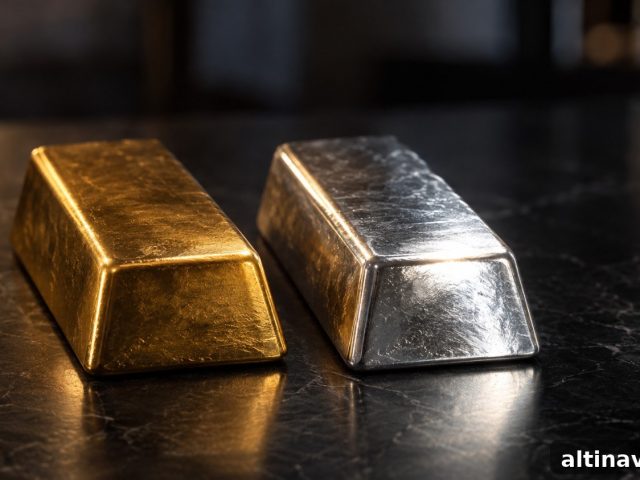
For gold, the minimum fineness is 0.995 (99.5% pure). Silver must meet a 0.999 standard. These thresholds align with the purity levels used for contract-grade bullion on major exchanges. The IRS’s objective is clear: retirement accounts must hold metal valued for its weight and metal content rather than for rarity, collectibility, or a numismatic premium.
Which Gold Coins Are IRA-Eligible?
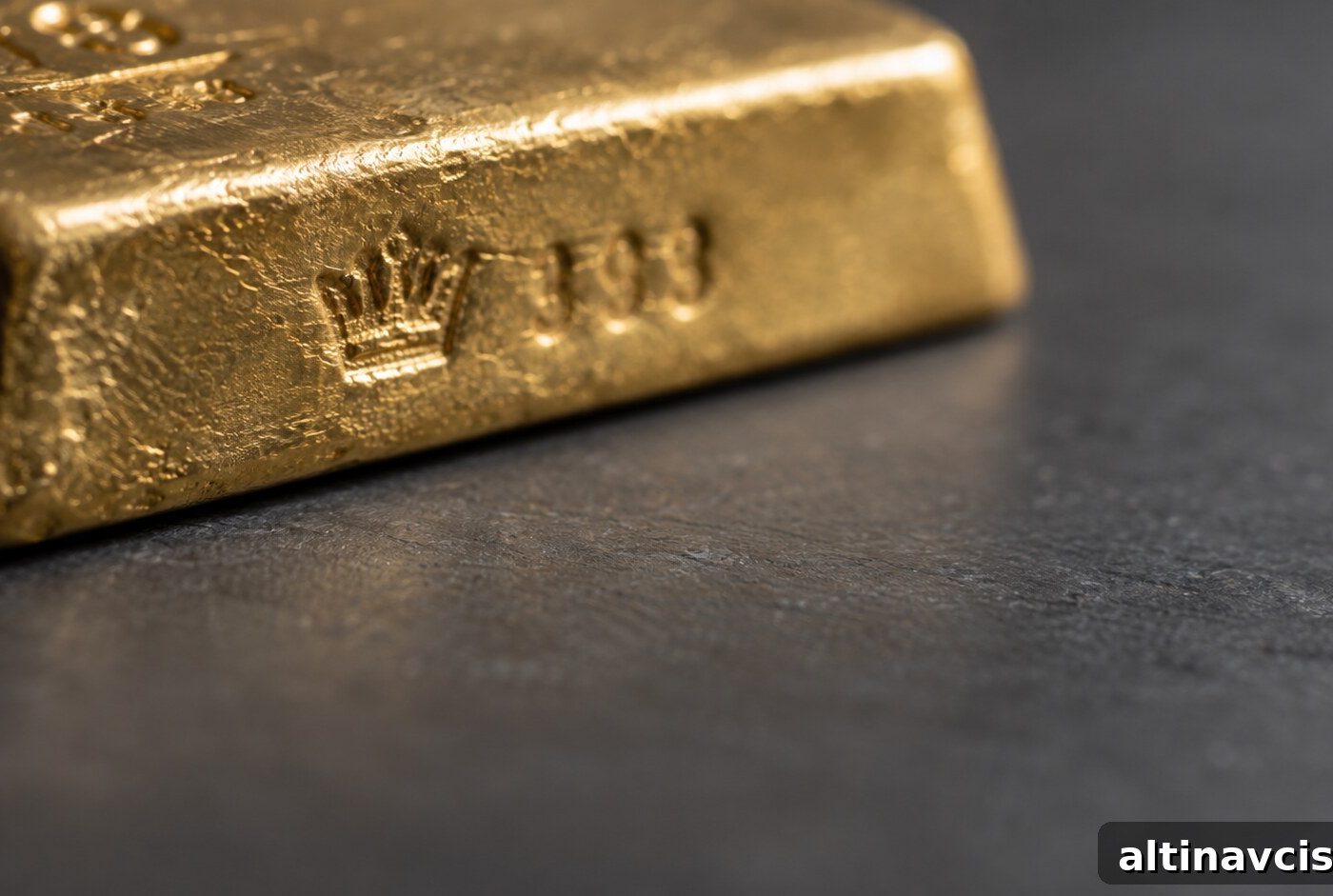
Government-minted bullion coins that meet the fineness standard generally qualify. Examples include the American Gold Buffalo, the Canadian Gold Maple Leaf, and the Austrian Gold Philharmonic — each far above the 0.995 minimum. Gold bars and rounds also qualify if they bear a fineness stamp and originate from a refiner accredited to recognized delivery standards. Without documented provenance, a refiner or bar can create compliance issues regardless of its actual purity.
One statutory exception is the American Gold Eagle. Although its fineness is only .9167 (22-karat), Congress listed it specifically in the code, and it is therefore eligible despite the lower purity. No other coin below the .995 threshold receives this statutory treatment.
What is excluded is not simply low gold content but the reason for the coin’s value: rare, graded, or professionally certified coins (for example, coins sold with a heavy numismatic premium or slabbed for collectors) are treated as collectibles if their price is driven mainly by rarity or condition rather than metal content. A rare gold coin or a proof coin purchased at a large premium over spot value fails the test even if it contains high-purity gold.
Why Can’t I Just Store IRA Gold at Home?
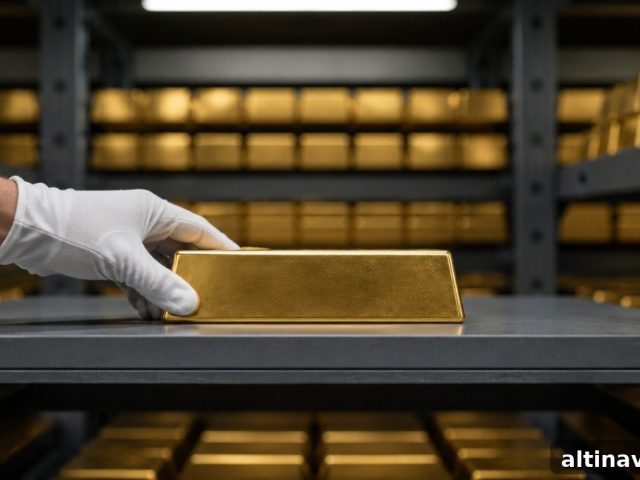
The custody requirement is mandatory: physical possession of IRA-owned metal must rest with a bank or an IRS-approved non-bank trustee or depository. “Home storage” arrangements for IRA metals have been rejected in Tax Court. When IRA-owned coins were kept under personal control, courts have ruled the transactions to be taxable distributions of the entire purchase price, even when the coins themselves were technically eligible.
In practice, a Gold IRA purchase follows a custody chain that excludes the account holder’s personal possession. A self-directed IRA custodian receives the funds, coordinates the purchase of eligible bullion, and directs delivery to an approved depository that stores the metal for the account. Custodian selection, eligible purchase documentation, and depository placement must be established before any metal is bought; purchases made outside the approved chain are typically not correctable after the fact.
This custody rule applies only to IRA-held metal. Physical gold held outside a retirement account may be stored at home or in private vaults under different rules and practices.
What Happens If I Buy Ineligible Gold With IRA Funds?
If an IRA purchases ineligible metal, the IRS treats the acquisition as an immediate distribution equal to the amount the IRA paid. That amount is taxable as ordinary income the year of purchase, and a 10% early-withdrawal penalty may apply if the account holder is under 59½. There is no partial credit for metal that is “close” to the requirement: a 0.990-fine bar, a graded proof coin bought for a collector premium, or jewelry all fail the eligibility test under the same statute.
Stay On Top of Gold & Silver Prices
Get important market alerts sent to your inbox.
Frequently Asked Questions
No. A precious metals IRA holds physical bullion only. Gold ETFs are securities, and mining company shares are equities. Both can be held in a standard brokerage IRA, but neither provides the owner with a claim on physical metal held in a precious metals IRA.
No. Bar size does not affect eligibility. A 1-ounce bar and a 100-ounce bar are equally eligible provided they meet the 0.995 fineness standard and come from an accredited refiner. Size does affect liquidity, however, when you request a distribution.
No single IRS list exists. Eligibility is defined by the fineness and custody standards of IRC Section 408(m), not a catalog of product names. Buyers should verify a product’s fineness and documented provenance rather than relying solely on marketing claims.
You need a self-directed IRA set up to hold physical metal because most standard brokerage custodians do not provide bullion custody. Transfers or rollovers into a self-directed account are common steps to add physical bullion to retirement assets. Do not buy metal until custody and depository arrangements are confirmed.
No. The 28% collectibles tax rate applies to gains on collectibles held outside retirement accounts. Properly held IRA-eligible bullion grows under standard IRA tax rules: tax-deferred in a traditional IRA, or tax-free in a Roth, because the metal qualifies for the statutory exception to the collectibles rule.
Many dealers, including established bullion sellers, offer services that coordinate with custodians and depositories to complete a Gold IRA purchase correctly. Work with a provider that documents refiner accreditation, confirms fineness, and manages delivery to an approved depository before you transfer funds or buy metal.
SOURCES
1. IRS — Investments in Collectibles in Individually Directed Qualified Plan Accounts (IRS guidance on collectibles and retirement accounts).
2. 26 U.S. Code § 408(m) — Statutory rules on IRA investments and the collectibles exception.
3. 26 U.S. Code § 1(h)(4) — Tax treatment for gains on collectibles held outside retirement accounts.
4. McNulty v. Commissioner, 157 T.C. No. 10 (Nov. 18, 2021) — Tax Court decision addressing personal possession of IRA-owned coins and taxable distribution treatment.
Disclaimer: This article is for informational purposes only and does not constitute investment or tax advice. Past performance is not indicative of future results. Consult a qualified financial or tax advisor before making investment decisions.
You May Also Like:
- The No-Home-Storage-IRA Myth: Why the IRS Requires a Depository
- What Is a Gold IRA? The Purity Rule the IRS Never Wrote
- What Is ZIRP (Zero Interest Rate Policy) and How It Changed Gold Forever
- How Much Is a Gold Bar Worth? Every Size, From 1 Gram to 400 Ounces
- What Happens to Your Gold If Your Storage Company Goes Bankrupt?
- Silver Price Prediction: Institutional Drivers and Market Forces
- Will Gold Fall Further? Institutional Target Revisions and Price Dynamics
- Allocated Silver vs. SLV: Institutional Redemption and What It Means
Popular Topics
Picked from the archive
-
01
 Topics
Gold Price Falls to $4,681 as Iran Ceasefire Ends Today
-
02
Topics
Why Ray Dalio Recommends 5-15% of Your Portfolio in Gold
-
03
Topics
Silver Surges by a Third Over Gold Ahead of Fed Vote
-
04
Topics
Five Gold Signals This Week Unrelated to Today’s Gold Price
-
05
Topics
Silver Coins vs Bars: Which Investment Suits You?
-
06
Topics
How Oil, PMI, and Newmont Are Driving Gold Prices
-
07
Topics
Robert Kiyosaki Gold Prediction: Buy the Dip or Wait?
-
08
Topics
Gold Remonetization: 6 Forces Reviving Gold as Money