Gold Jumps 1% – Why July CPI Matters More Than the Headline

Gold climbed more than 1% on Wednesday, with spot prices reaching about $4,427 per ounce in morning trading, up from an open near $4,369. Silver outpaced gold, advancing over 3% to roughly $66.53.
The immediate trigger was the July Consumer Price Index released by the Bureau of Labor Statistics — the most consequential U.S. inflation reading ahead of the Federal Reserve’s September 15–16 meeting.
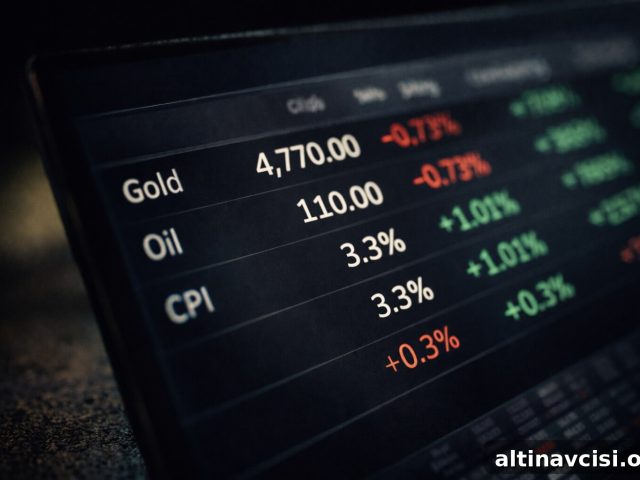
Economists surveyed ahead of the release expected headline CPI to slow to 3.4% year‑over‑year from June’s 3.5%, with core CPI (excluding food and energy) projected at about 2.5% year‑over‑year. Traders had already trimmed the odds of a September rate increase: as of Tuesday, the CME FedWatch Tool implied roughly a 50% probability of a 25-basis-point hike, down from about 60% following a softer-than-expected July jobs report.
Why Does the Gold Price–CPI Relationship Matter?
Gold does not pay interest, so its relative attractiveness is tied closely to real interest rates — the difference between nominal bond yields and inflation. When CPI comes in softer than anticipated, inflation expectations can fall, real yields typically decline, and the opportunity cost of holding gold drops. That dynamic makes bullion more attractive to investors and often supports higher gold prices in the near term.
A softer July CPI would therefore reduce the probability of a Fed hike in September and open a clearer path for gold toward technical levels such as the 200‑day moving average near $4,500. Conversely, a hotter-than-expected CPI read would strengthen the case for tighter policy, push yields up and likely limit gold’s upside over the short run.
Still, this short-term link between CPI and gold prices only captures part of the story. The stronger, structural drivers behind gold’s rally in 2026 extend beyond any single monthly inflation report.
The Edge Every Investor Needs
Smarter precious metals investing starts here. The Nuggets Newsletter delivers market insights, Fed updates, global trends and educational content to help investors stay informed.
What Forces Are Supporting Gold Beyond Today’s CPI Report?
The broader backdrop for gold looks more durable than a single data release. ETFs tracking gold logged five consecutive sessions of inflows, lifting total holdings to a six‑week high. That pattern suggests institutional investors are rebuilding positions rather than simply reacting to a one‑day data event.
Central bank demand is another structural driver. China’s central bank added the most gold to its reserves in July since October 2023, signaling resumed accumulation at current price levels instead of waiting for a pullback. Central bank buying reflects long-term reserve diversification and is not typically a momentum trade tied to short-term market swings.
Geopolitical risks are also relevant: the ongoing standoff around the Strait of Hormuz has helped keep oil prices elevated near $90 a barrel. Higher energy prices tend to support the monetary demand for gold, even as rate expectations move up or down.
Why Is Silver Outperforming Gold Today?
Silver’s stronger advance reflects its dual role as both a monetary and an industrial metal. It benefitted from the same rate-expectations narrative that lifted gold, but it also has its own supply-and-demand story supporting prices.
Chinese imports of silver-bearing ores jumped 62.5% year‑over‑year in June, according to Chinese customs data. The Silver Institute projects the silver market will remain in deficit for a sixth straight year in 2026, with an estimated shortfall of about 46.3 million ounces.
That deficit persists even as solar manufacturers reduce the silver content per panel: solar PV demand fell roughly 19% in 2026 as producers substituted materials to manage costs. The gap remains because physical investment demand — purchases of coins, bars and exchange-traded products — is rising faster than the industrial decline, while mine output is not keeping pace. Growing uses such as AI data center infrastructure, EV electronics and grid upgrades are also supporting industrial silver demand.
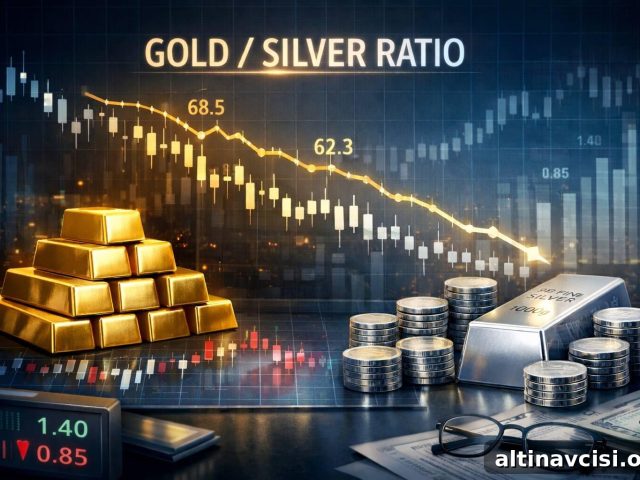
As a result, the gold‑to‑silver ratio sits around 66.5, implying that silver remains historically undervalued relative to gold and that silver has scope to outperform if deficits persist.
What Should Gold Holders Watch After the CPI Print?
For holders of physical gold, the decisive issue is not whether July’s CPI beats or misses by a fraction of a percentage point. The structural case for gold rests on longer-term fiscal and monetary pressures that monthly readings cannot resolve.
U.S. federal debt remains above $39 trillion, and annual interest payments now exceed $1 trillion. That fiscal burden narrows the Federal Reserve’s capacity to sustain aggressive tightening over an extended period, even when inflation readings fluctuate month to month. In this environment, gold can act as a hedge against policy uncertainty and currency risks.
Gold opened at its highest level since June on August 7 following a disappointing July jobs report; Wednesday’s CPI print will determine whether that advance extends toward $4,500 or consolidates around current levels. Regardless of the immediate outcome, the fundamental drivers that propelled gold from below $4,000 in July to above $4,400 remain intact.
Stay on Top of Gold & Silver Prices
Get important market alerts delivered to your inbox.
SOURCES
1. Bureau of Labor Statistics — Consumer Price Index July 2026
2. CME Group — FedWatch Tool, September 2026 rate hike probabilities
3. Reuters via CNBC — coverage of gold’s move ahead of U.S. CPI report
4. GoldSilver — live gold and silver spot price data, August 12, 2026
5. Silver Institute / Metals Focus — World Silver Survey 2026
6. NBC News — reporting on the July 2026 CPI release
Disclaimer: This article is for informational purposes only and does not constitute investment advice. Past performance is not indicative of future results. Consult a qualified financial advisor before making investment decisions.
You May Also Like:
- Why Gold Rose While the World’s Biggest Gold Miner Fell
- Gold Is Flat. Silver Is Down 2.3%. The Ratio Just Told You What to Watch Tomorrow.
- Gold Slipped at the Open. China Bought the Dip. Again.
- Why Is Silver Outperforming Gold Today? The Dual‑Engine Mechanism Explained.
- Geopolitical Shifts and Gold: How Tensions Near the Strait of Hormuz Affect Markets.
- Gold Opened at Its Highest Level Since June. Five Forces That Could Limit Further Gains.
Popular Topics
Picked from the archive
-
01
 Topics
Gold Remonetization: 6 Forces Reviving Gold as Money
-
02
Topics
CPI 3.3% and GDP Stalling: Is 2026 Stagflation Coming?
-
03
Topics
Why Is Gold Falling While War Rages?
-
04
Topics
Can Silver Outpace Gold in a Bull Market?
-
05
Topics
Gold Radar: 5 Hidden Signals Your Price Chart Misses
-
06
Topics
Gold Pullback Driven by Treasury Buyback, Not ETFs
-
07
Topics
Hong Kong Completes First Gold Settlement; Banks Also Run London
-
08
Topics
How a Falling Gold/Silver Ratio Impacts Investor Portfolios