Federal Reserve Votes Wednesday: Track the Vote Tally

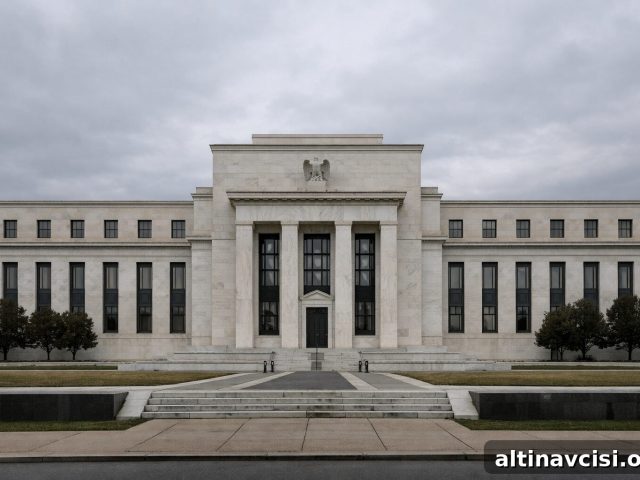
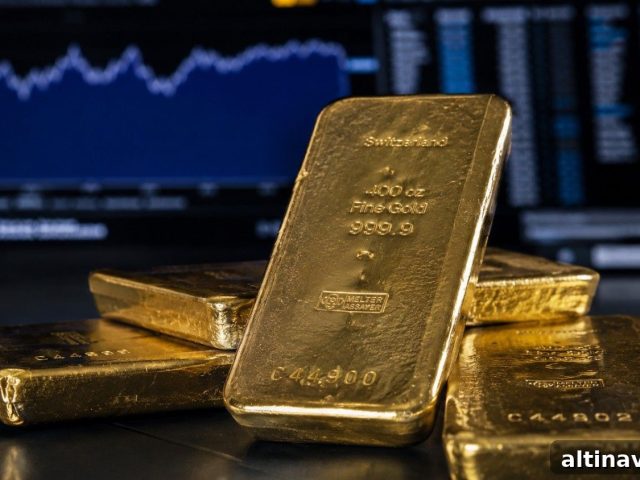
On Monday, July 27, 2026, gold traded near $4,073 per ounce, up roughly 0.5% from Friday’s close. Silver was trading around $58.48, also marginally higher. The Federal Reserve begins a two-day policy meeting tomorrow. Much of the market commentary will focus on whether the Fed holds rates or raises them at Wednesday’s announcement. That binary framing misses the more important signal: the voting split on the Federal Open Market Committee (FOMC).
A rate hold is still the most likely outcome, but the odds have shifted. As of Monday morning, market-implied probabilities from futures showed the chance of a hold significantly lower than it was just a few weeks ago. Oil’s rise past $100 a barrel briefly pushed the probability of a hike materially higher before tensions eased somewhat. Economists generally expect a hold, yet the futures market is signalling less certainty than earlier in the month.
What Does the FOMC Vote Split Mean for Gold?
The difference between a unanimous decision to hold and a hold with dissents is large. A unanimous hold communicates that the entire committee is comfortable pausing. A hold with dissenting votes signals that a subset of the committee believes further tightening is already warranted. That distinction matters more for market expectations about September and beyond than the immediate headline decision.
At the June 17, 2026 meeting the FOMC recorded a unanimous 12–0 hold, which was interpreted as a clear signal that the committee collectively preferred to wait before tightening further. Recent analysis from market strategists suggested the July meeting could produce a split vote, potentially a 10–2 outcome with two members dissenting in favor of a 25-basis-point increase. If such a split occurs, it will be read as evidence that the hiking camp is gaining influence on the Committee rather than receding.
The Edge Every Investor Needs
Smarter precious metals investing starts here. The Nuggets Newsletter delivers concise market insights, Fed updates, global developments, and education for long-term investors.
Who Is Expected to Dissent at the July FOMC Meeting?
Two regional Fed presidents have consistently expressed hawkish views during 2026 and are the most frequently cited potential dissenters. Both have argued that elevated inflation readings justify additional tightening. If they do dissent on Wednesday, it will not be a surprise, but their votes would change how markets price the remainder of the year’s meetings—particularly the potential moves in September, October and December.
Chair Kevin Warsh’s recent behavior adds another interpretive layer. In June he declined to include his own rate projection on the dot plot, marking a departure from recent practice and signalling scepticism toward forward guidance through that channel. Because July’s meeting is not accompanied by new economic projections or a dot-plot update, the chair’s press conference will be the primary vehicle for forward guidance. How Warsh describes any dissents and frames the committee’s outlook will shape market expectations for September.
Why Does the FOMC Vote Count Matter More Than the Rate Decision for Gold?
Gold reacts to expectations for real yields over time rather than to a single meeting outcome. Real yields—nominal interest rates adjusted for inflation—determine the opportunity cost of holding non-yielding assets like gold. A single hold keeps the near-term rate unchanged, but a shift in the committee’s voting coalition alters expectations for future hikes and therefore changes the path of real yields.
Market prices already reflect a meaningful chance of another rate increase before September. A split vote this week would reinforce or increase those odds; a unanimous hold could temper them. Each scenario leads to different prospects for real yields, and those prospects in turn drive gold’s price trajectory.
For physical holders, the recent price behavior has been notable. Gold has remained above $4,000 per ounce despite a sharp oil surge, elevated probabilities of additional tightening, and geopolitical strain. That resilience is underpinned by structural demand from central banks and other long-term buyers who do not trade around every FOMC meeting. For example, the People’s Bank of China continued to add to official gold reserves through June 2026, reflecting a multi-month accumulation trend that supports the price floor.
Short-term influences still matter. A temporary easing of tensions in the Middle East recently pushed oil back below $90 and provided a modest tailwind for gold. But the situation remains fragile. The Strait of Hormuz and related shipping channels continue to be at risk, and renewed oil-price pressure would quickly feed through to inflation expectations and rate-market pricing.
Two data points will define the market narrative this week. First is the FOMC vote tally announced on Wednesday. Second is Thursday morning’s release of June personal consumption expenditures (PCE) inflation data from the Bureau of Economic Analysis. June’s consumer price index showed a year-over-year increase that has been moderating from earlier in the spring, and a soft PCE print would reduce pressure on the Fed to act in September. Conversely, a hotter-than-expected PCE would validate dissenting voices and strengthen the case for further hikes.
Most headlines will correctly note that a hold is the most probable immediate outcome. What is not yet fully priced in by many market participants is the vote breakdown and the signal it sends about the likely path of policy over the coming months.
SOURCES
1. Live gold and silver spot price reporting, July 27, 2026.
2. CME Group FedWatch probabilities for July 2026 FOMC, July 27, 2026.
3. Federal Reserve FOMC statement and meeting materials, June 16–17, 2026.
4. Federal Reserve Summary of Economic Projections, June 17, 2026.
5. Market commentary and weekly drivers, late July 2026.
6. World Gold Council central bank gold reserves data through July 2026.
7. Bureau of Economic Analysis PCE Price Index release schedule, July 30, 2026.
8. Bureau of Labor Statistics Consumer Price Index summary, June 2026.
Disclaimer: This article is for informational purposes only and does not constitute financial or investment advice. Always consult a qualified financial adviser before making investment decisions.
You May Also Like:
- Oil Dropped 7%. Gold Rose. Here Is the Mechanism Everyone Misses.
- Oil Spiked 7% Yesterday. Silver Sold Off. Today Physical Buyers Are Doing Something Different.
- Newmont Earned $2.2 Billion Last Quarter. Gold Was Down 13%.
- The US Has Over $1 Trillion in Gold. Washington Carries It on the Books at $11 Billion.
- 187,000 Jobless Claims. The Lowest of 2026. Here Is What It Means for Gold.
- A War Just Expanded Into a New Shipping Lane. Gold Fell. Here Is Exactly Why.
Popular Topics
Picked from the archive
-
01
 Topics
Why 401(k) to Gold IRA Rollovers Lose 20% and How to Avoid It
-
02
Topics
Gold and Silver: Return Drivers Beyond Crisis Hedges
-
03
Topics
Silver Shortage Looms as Solar and EV Demand Soars
-
04
Topics
US Economic Outlook: Surface Strength Masks Deep Risks
-
05
Topics
Bank of America Cuts Gold Forecast — Why That’s Bullish
-
06
Topics
Gold Breaks Through $4,400 as Silver Targets $70
-
07
Topics
How the Current Gold Rally Compares to Past Bull Markets
-
08
Topics
Manufacturing Hits Strongest Month of 2026 as Gold Plunges