Gold Bars vs Jewelry: Why Investors Choose Bullion
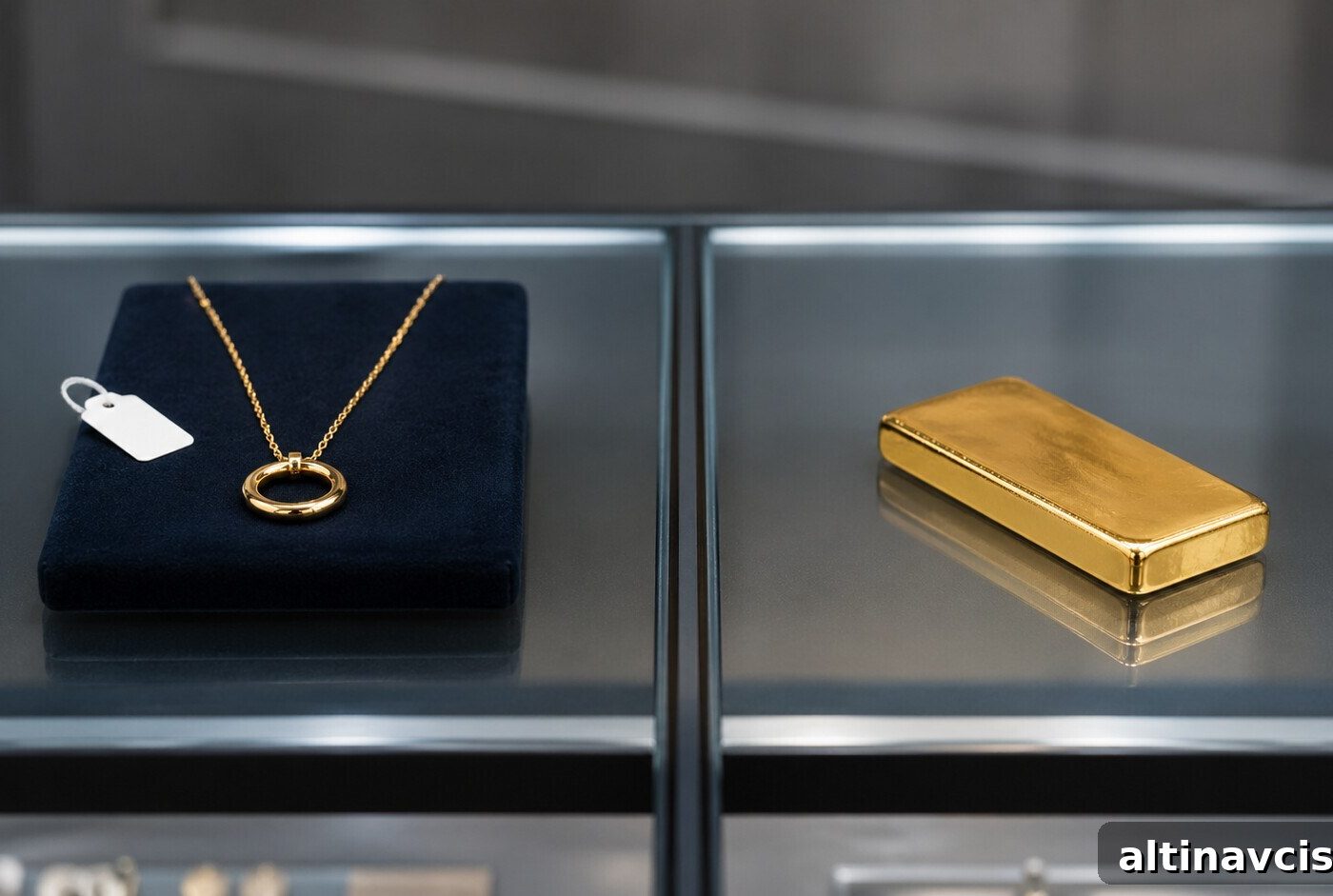
When gold trades near $4,600 per ounce, the way you buy it matters as much as the decision to own it. Gold bullion — bars and investment-grade coins — closely tracks the spot price, with premiums typically in the 1–5% range. Gold jewelry, however, carries retail markups that often run 50–200% above the metal’s intrinsic value at mainstream retailers and 300% or more at luxury brands. Jewelry is a consumer good; bullion is a financial asset.
With gold around $4,600 an ounce as of April 2026, up roughly 43% year-over-year, many investors are asking whether a bar or a bracelet makes a difference. The metal in a 14-karat ring and a 1-ounce bar responds to the same global price signals, but the form you choose determines how much of your purchase actually becomes gold exposure and how easily you can convert it back to cash. At current prices, that difference separates effective wealth preservation from paying someone else’s retail margins.
What Is Gold Bullion?
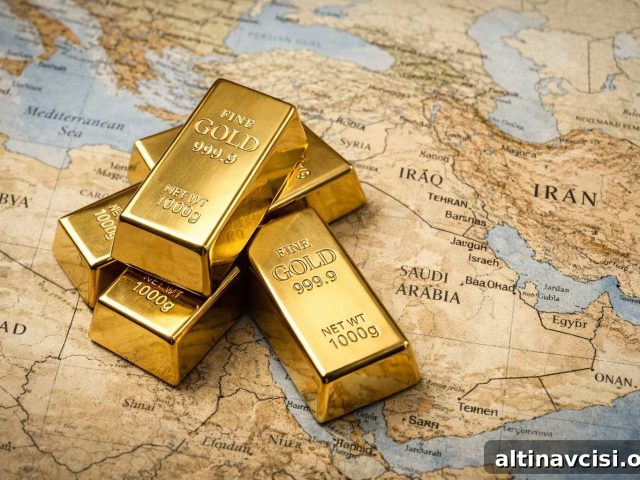
Gold bullion refers to standardized, investment-grade forms of gold such as bars, ingots, and government-minted coins that are valued primarily for their metal content. Purity for bullion is commonly .999 or .9999 fine — 99.9% to 99.99% gold. Pricing is based on the spot price plus a modest premium that covers refining, minting, authentication and distribution. There is no design fee, brand markup, or retail overhead embedded in the metal value.
The spot price is the baseline — what gold trades for wholesale between institutions. A typical 1-ounce bar from a reputable dealer is generally 1–5% above that figure. That premium pays for converting raw gold into a standardized, authenticated product. On resale, buyers pay you for the metal content, not the minting cost or retail margin.
Your Gold Buying Guide Most investors overpay when they buy gold — and again when they sell. This guide explains what to own and why.
What Are You Actually Paying for With Gold Jewelry?
Retail gold jewelry markups commonly range from 50–200% above the metal’s melt value at mainstream chains, and luxury brands can push those markups to 300% or more. These premiums cover manufacturing labor, store rent, advertising, brand equity, packaging, and sales commissions. That expense is built into the purchase price, but it does not return to you on sale.
When a dealer or refiner buys back jewelry, they assess the melt value — the pure gold content at spot — and typically offer at or below that figure. The design, branding, and labor you paid for are not recoverable. If your goal is pure metal exposure, each dollar spent on retail markup reduces the portion of your investment that is actually invested in gold.
By contrast, a standard 1-ounce gold bar has a small, transparent premium to buy and sells close to spot. The round-trip cost is predictable and far smaller than the losses embedded in retail jewelry transactions.
Is All Gold the Same Purity?
Gold jewelry is usually alloyed. Common U.S. jewelry grades include 10-karat (41.7% gold), 14-karat (58.3% gold), and 18-karat (75% gold). Only 24-karat pieces approach investment-grade purity (99.9%), and those are less common in everyday jewelry.
A significant portion of the price of a typical 14-karat item pays for non-gold metals — copper, zinc, silver, or nickel — added for durability and color. When you sell, the buyer calculates and pays only for the pure gold content. A .9999 fine bar, however, is 99.99% gold: every dollar you spend goes directly into metal.
Can You Sell Gold Jewelry at a Fair Price?
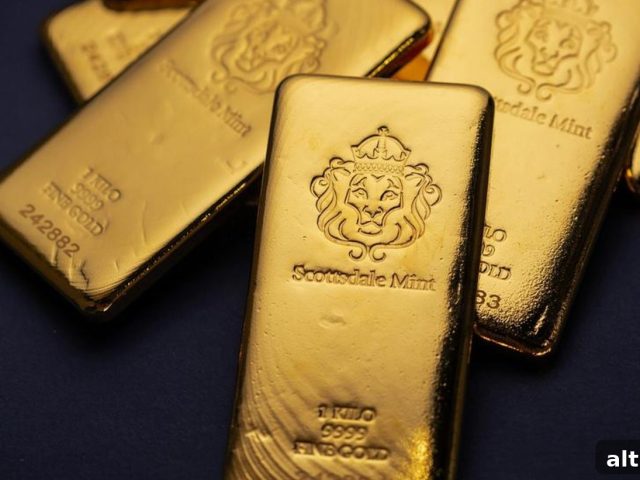
Bullion is a globally recognized commodity with verifiable specifications and widely accepted authentication standards. Recognized products such as PAMP Suisse bars or government coins have deep secondary markets and transparent buy-back practices, making resale predictable.
Jewelry resale is more fragmented. Pawn shops and gold buyers often pay 70–80% of melt value at best, sometimes less. Unless you are selling a collectible or vintage piece through an auction with provenance and original paperwork, the retail design premium you paid will not be returned. That creates friction and uncertainty precisely when you may need liquidity.
What Does the Market Data Show?
In 2025, global demand for bars and coins rose to a multi-year high, driven by investor purchases. Bar demand rose substantially while jewelry consumption declined through several quarters. These trends indicate investors increasingly prefer direct metal exposure over retail jewelry.
Research from major financial institutions has highlighted continued central bank and investor demand for gold, and analysts have offered price scenarios that underscore the importance of how investors hold the metal. The form you choose affects how much of any future price move you capture.
When Does Buying Gold Jewelry Make Sense?
Gold jewelry can be appropriate in certain cultural and practical contexts. In parts of South Asia and the Middle East it functions as both adornment and portable wealth. High-karat pieces acquired close to melt value, with transparent making charges, can serve as a reasonable hybrid between jewelry and bullion. A 22-karat or 24-karat piece from a reputable jeweler captures most of the metal value.
Jewelry also has emotional and practical value as gifts, heirlooms, or items you intend to wear daily. The problem arises when people treat retail jewelry as an investment vehicle: purchase, holding, and resale economics typically work against the investor. If the primary goal is wealth protection or pure gold exposure, bullion is usually the better choice.
Stay On Top of Gold & Silver Prices
Get important market alerts sent straight to your inbox.
People Also Ask
What is the difference between gold bullion and gold jewelry?
Gold bullion is investment-grade metal sold as bars or minted coins, priced near spot with small premiums. Gold jewelry includes labor, design, branding, and retail markups that greatly exceed the metal content. Bullion is intended as an investment; jewelry is primarily a consumer product.
Is gold jewelry a good investment?
For most investors, no. Retail jewelry is often purchased at substantial markups above its gold content and resold at melt value, making the purchase inefficient as an investment. Bullion provides more transparent and predictable exposure to the metal price.
What karat gold is best for investment purposes?
24-karat gold, at roughly 99.9% purity, is the standard for investment-grade bullion. Lower-karat jewelry contains significant non-gold alloys, which reduce the effective gold exposure per dollar spent.
How much over spot do gold bars typically cost?
Standard 1-ounce gold bars usually carry premiums of about 1–5% above spot. Larger bars (10 oz, kilogram) typically have lower percentage premiums, while very small bars or grams carry higher premiums.
Can you sell gold bullion easily?
Yes. Recognized bars and coins have deep secondary markets and established buy-back practices among reputable dealers, making resale relatively straightforward and transparent.
Bullion vs. Jewelry: The Math Doesn’t Lie
With gold near $4,600 an ounce, jewelry markups of 50–300%+ versus bullion premiums of 1–5% make the economics clear. Every dollar spent on retail markup is a dollar that does not buy metal. Serious investors choose bullion when their objective is direct exposure to gold’s price movements and predictable liquidity.
SOURCES
1. Trading Economics — Gold Price
2. ICN — How Gold Prices Are Calculated
3. Signet Jewelers — Fiscal 2025 Results
4. The Market Capitalist — Luxury Jewelry Market Commentary
5. World Gold Council — Gold Demand Trends: Full Year 2025
6. J.P. Morgan — Gold Price Forecasts
Disclaimer: This article is for informational and educational purposes only and does not constitute investment advice. Consult a qualified financial adviser before making any investment decisions.
You may also like:
- Gold & Silver IRA: Why Starting Early Costs You Less
- Silver Fair Value: What the Data and History Show
- Gold or Silver Price Dip: Temporary Correction or Trend Reversal?
- What Switzerland’s Gold Freeze Means for Investors
- What History Shows About Buying Gold After a Pullback
- Should You Sell Gold During a Bull Market Pullback?
- Silver Bullion Buying Guide 2026: Coins, Bars, and Rounds Compared
- Is Gold Still a Strategic Asset for Your Portfolio?
Popular Topics
Picked from the archive
-
01
 Topics
Gold Up 3% and Silver 7% as Metals Rally to End Q1
-
02
Topics
Tariff Deadline Sends Copper Prices 40% Higher in 2025
-
03
Topics
Why Big Banks Predict Gold Prices Over $6,000
-
04
Topics
Gold Price Reaction to Jobs Report – Pre-Market Guide
-
05
Topics
Middle East Tensions Lift Gold Prices; Platinum Hits 2021 High
-
06
Topics
How Government Debt Drives Gold and Silver Prices
-
07
Topics
U.S. Debt Tops $38T; J.P. Morgan Forecasts Gold Above $5,000
-
08
Topics
COMEX Silver First Notice Day: Key Events to Watch April 30