Tariff Deadline Sends Copper Prices 40% Higher in 2025
Copper Hits Record High as Traders Anticipate U.S. Import Levy
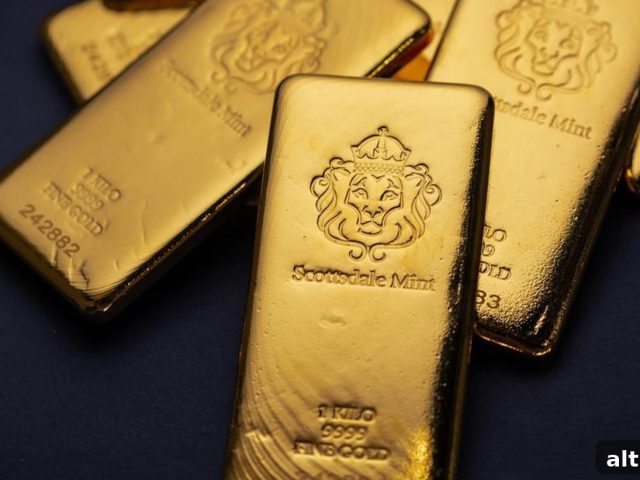
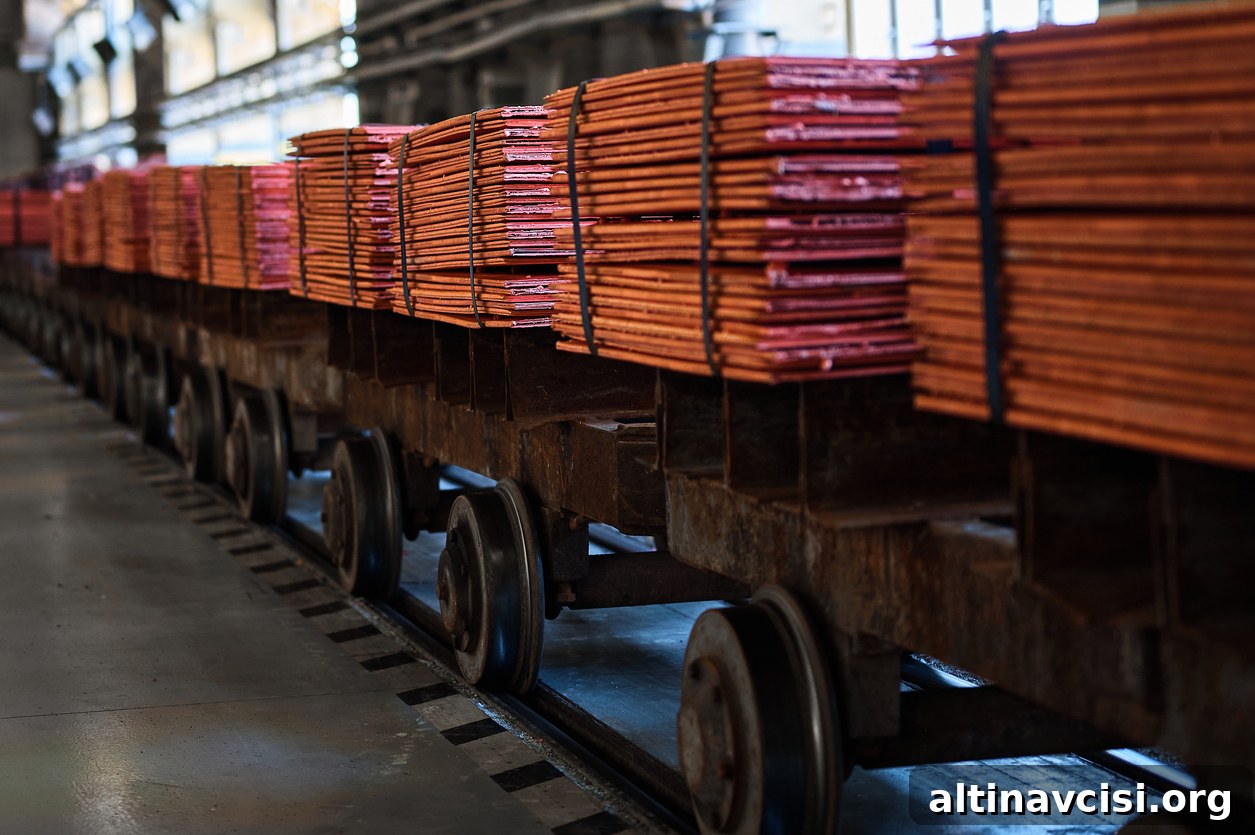
The September copper contract on the Chicago Mercantile Exchange (CME) climbed to a record high of $5.732 per pound on Tuesday, extending a rally that began after President Trump’s mid-July tariff announcement. The move pushed copper above the $5 per pound threshold and cemented its position as the best-performing major commodity of 2025, with gains of more than 40% year-to-date — outpacing traditional safe havens such as gold.
Market Reaction to Tariff News
With an August 1 deadline looming for a proposed 50% U.S. import levy, market participants have adjusted their behavior. Traders and importers, faced with the prospect of sharply higher duties, have pulled back on inbound shipments and have increasingly relied on existing domestic stocks to meet demand. That reduction in new imports has helped support the recent price surge by tightening immediate supply available in the U.S. market.
Inventory Draws and Price Dynamics
Analysts at ANZ Bank, speaking to Reuters, warned that the current supply adjustments could have mixed effects. In the near term, drawing down domestic inventories can sustain elevated prices as available material becomes scarcer. However, ANZ cautioned that once U.S. stockpiles run low, the lack of fresh imports may ultimately exert downward pressure on prices if demand weakens or if buyers delay purchases until duties or policies change.
Global Futures and Cross-Market Strength
London copper futures mirrored the strength seen in the U.S. market, rising by 0.8% to approximately $9,860 per tonne. This parallel move between major benchmarks highlights the global nature of copper markets: supply disruptions, tariff-driven shifts in trade flows, and speculative positioning tend to transmit quickly across exchanges in New York and London.
Why Copper Is at the Center of Attention
Copper’s role as a key industrial metal — used extensively in construction, electronics, renewable energy systems and electric vehicles — makes it particularly sensitive to policy changes that affect trade and manufacturing. Tariff announcements can prompt immediate changes to buying patterns, as firms seek to avoid higher costs or reconfigure supply chains. The current rally reflects a combination of precautionary buying, inventory management, and broader market sentiment that favors commodities with tight near-term supply.
Potential Scenarios Going Forward
- Short-term continuation: If importers continue to withhold shipments and domestic inventories remain constrained, prices could stay elevated for a sustained period.
- Inventory-induced reversal: Should U.S. stockpiles fall significantly and demand soften, the lack of incoming shipments could lead to a price correction as market participants await clarity on trade policy.
- Policy developments: Any modification, delay or removal of the proposed 50% import levy would likely prompt a rapid reassessment by traders and could reverse some of the inventory-driven premium currently priced into copper.
Implications for Traders and Industry
For traders, the sharp price moves underscore the importance of monitoring both policy developments and physical trade flows. For manufacturers and end users, the situation highlights the risks of sudden tariff-induced disruptions and the value of diversified sourcing strategies. Companies reliant on copper-intensive production may face higher input costs if elevated prices persist, while those with larger inventories could gain a temporary cost advantage.
Conclusion
The recent surge in copper prices to $5.732 per pound on the CME and about $9,860 per tonne in London reflects a market reacting to potential trade barriers and the resulting shift from imports to domestic stocks. While this dynamic has supported prices in the short term, analysts warn of the risk that declining inventories could eventually apply downward pressure unless policy or trade flows change. Market participants will be watching both supply indicators and any official decisions regarding the proposed U.S. import levy as they reassess exposure to copper and related commodities.
Popular Topics
Picked from the archive
-
01
 Topics
Why Ground Beef Prices Are Soaring as Cattle Supply Shrinks
-
02
Topics
Gold Falls to One-Week Low as Trade Talks Enter Final Days
-
03
Topics
Brazil Inflation Off Target for Sixth Straight Month
-
04
Topics
Oil Price Tops $65 as US-China Trade Talks Lift Markets
-
05
Topics
June CPI Jumps 2.7 Percent as Tariffs Push Up Consumer Prices
-
06
Topics
Why Wealthy Investors Allocate 11% of Portfolios to Gold
-
07
Topics
Senate Tax Bill Adds 3.3 Trillion to Deficit, Raising Alarm
-
08
Topics
Powell’s Rate-Cut Dilemma: Trump vs Fed Credibility