Silver Demand Across Industry, Jewelry and Investment
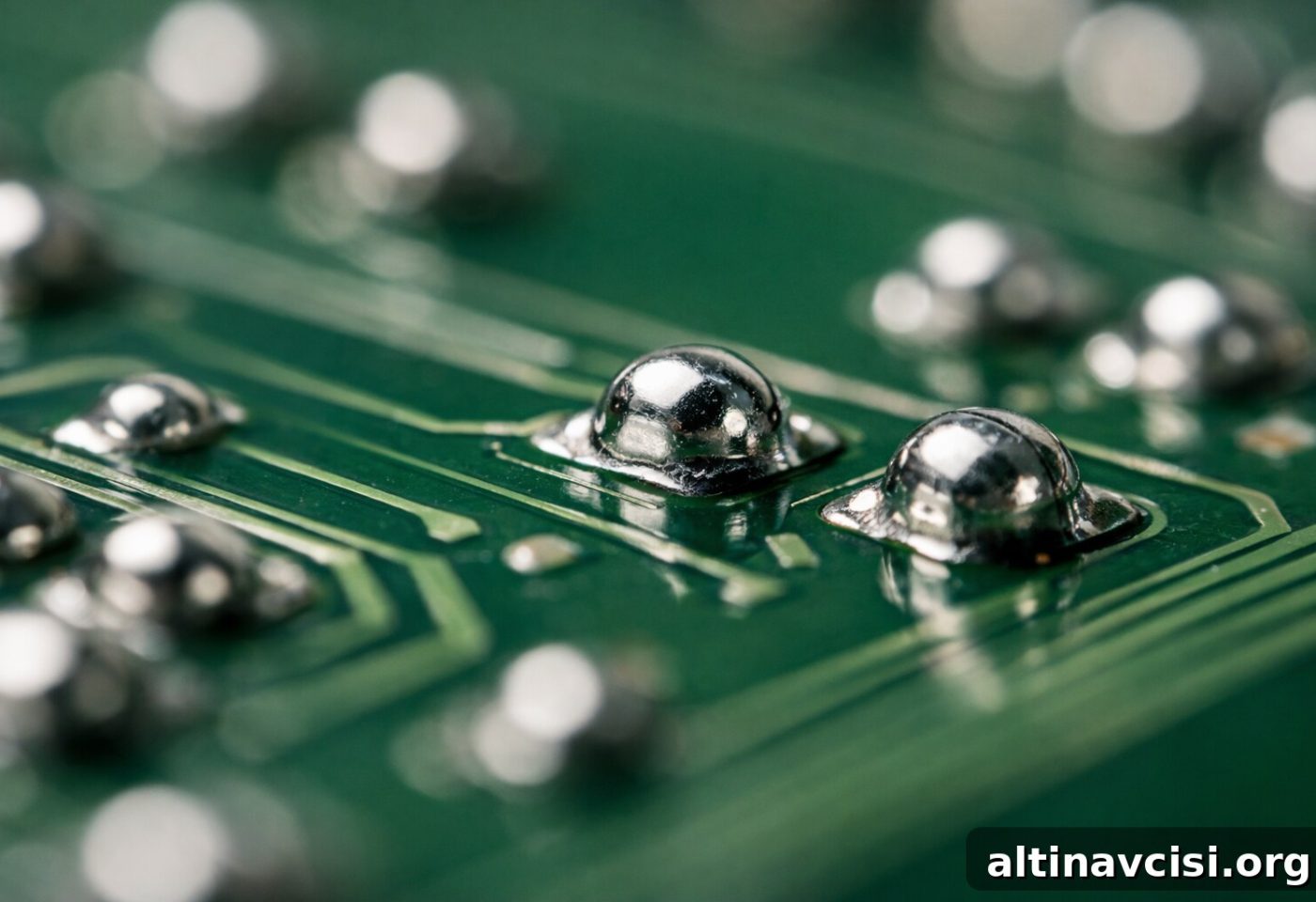
Silver plays three distinct roles at once: an industrial metal, a monetary asset, and a material for jewelry. Each role affects demand in different ways, and together they shape silver’s price dynamics and investment case.
The block below illustrates how demand divides among industrial/technology, jewellery, and investment and highlights how the balance has shifted over the past decade.
Silver Market Structure
Silver Is Predominantly an Industrial Metal — and Its Industrial Share Is Growing
% of total gross silver demand by sector, 2016–2025
Industrial / Tech
Jewellery
Investment
Sources: Metals Focus, Silver Institute, World Gold Council. Data summarized from the World Silver Survey 2025. Investment demand reported net; jewellery and technology reported gross.
What’s Driving Silver’s Industrial Demand Growth?
Industrial and technology applications accounted for roughly 61% of global silver demand in 2025, up from about 53% a decade earlier. This shift is overwhelmingly the result of green-energy and tech buildouts.
Solar photovoltaic (PV) manufacturing, electric vehicles (EVs), and grid modernization have absorbed increasing quantities of silver. Solar PV alone rose from roughly 11% of industrial silver use in 2014 to about 29% by 2024, nearly tripling its share in ten years. These sectors are long-term structural drivers, not short-term cyclical spikes.
Why Does Silver’s Industrial Demand Keep Setting Records?
Industrial demand for silver reached a record 680.5 million ounces in 2024 — the fourth straight annual record. The increase is driven by three structural megatrends: solar PV deployment, the electrification of transport, and expanding data-center and AI infrastructure.
Solar panels require silver as a key conductive material. Newer, higher-efficiency cell designs such as TOPCon and heterojunction often use more silver per panel than older designs, so improvements in efficiency have paradoxically increased silver consumption per unit. On the automotive side, conventional internal-combustion vehicles typically contain 15–28 grams of silver, while EVs often use 25–50 grams. Analysts project EVs to become the primary automotive source of silver demand within the coming years.
The third driver — the rapid expansion of data centers and AI infrastructure — has increased demand for electronics and cooling systems that rely on silver components. Global IT power capacity and data-center buildouts are growing quickly, and silver is a component in many of the systems that support that growth.
Key fact: Industrial silver demand has reached new highs in each of the past four years. Meanwhile, the market has recorded structural supply deficits for five consecutive years, meaning annual demand has exceeded mine supply since 2021.
Silver Institute, World Silver Survey 2025
How Does Silver’s Supply Structure Affect Its Price?
A crucial structural feature of the silver market is that roughly 70–80% of global silver production is a by-product of copper, lead, and zinc mining. Because most silver is produced incidentally to base-metal extraction, silver supply does not respond to silver price signals the way gold supply does. When base-metal producers reduce output for reasons related to copper or zinc markets, silver output falls with them regardless of silver’s own market price.
This linkage explains why silver has experienced persistent deficits: even with rising prices, total supply grew only modestly in 2024 (about 2%), to just over 1 billion ounces, while demand reached approximately 1.16 billion ounces — leaving a structural gap for the year.
Is Silver Still an Investment Metal If Industry Dominates Demand?
Yes — but with nuance. Investment represents about 18% of total silver demand in 2025, down from around 23% in 2016. Investment demand is far more volatile than industrial or jewelry demand; swings in investor interest can produce outsized price moves because the silver market is relatively small compared with gold. For example, average daily trading in gold futures is roughly five times that of silver futures, which amplifies price sensitivity in silver during periods of monetary or financial stress.
When investor demand surges, it can rapidly push prices higher. Conversely, when investors withdraw, prices can decline even if industrial demand remains strong. For holders of physical silver, that volatility is a risk but also an opportunity if one understands the market’s structural drivers and remains patient.
Stay On Top of Gold & Silver Prices
Get important market alerts sent straight to your inbox.

The financial system isn’t safer — and you know it. As risks mount, see why gold and silver are projected to remain relevant in 2026 and beyond.
Subscribe to receive concise market updates and price alerts. (Subscription form removed from this version.)
So What Does This Mean for Physical Silver Holders?
Silver’s three demand categories—industrial, jewelry, and investment—pull in different directions at different times. That complexity means silver behaves differently from gold during market stress: it often falls with broader commodity sell-offs first and later recovers as a monetary asset. Understanding those behavior patterns helps investors set realistic expectations and identify opportunities.
The long-term structural case for silver is grounded in solar energy, EV adoption, and expanding digital infrastructure. For patient holders of physical silver, those trends support continued demand growth; for traders and short-term investors, silver’s volatility can produce rapid price movements that merit careful risk management.
People Also Ask
What percentage of silver demand comes from industrial uses?
Industrial and technology applications accounted for approximately 61% of global silver demand in 2025, up from 53% a decade earlier. The major growth drivers are solar panels, EVs, and grid upgrades.
Is silver a good investment if most demand comes from industry?
Yes—industrial dominance complicates silver’s profile but does not negate its investment case. Investment demand is smaller but far more volatile, and investor flows can move prices sharply, especially during monetary stress. Understanding the balance between structural industrial demand and episodic investor demand is critical for any silver allocation.
Why does silver keep hitting industrial demand records?
Silver’s industrial demand has risen to record levels because three long-term trends—solar PV deployment, the rise of EVs, and expanding IT/data-center infrastructure—are all increasing silver consumption simultaneously. These are structural, multi-year buildouts rather than temporary cyclical boosts.
How does silver supply affect its price?
Because most silver is produced as a by-product of base-metal mining, supply is largely tied to the economics of copper, lead, and zinc production. That linkage means silver supply often cannot expand quickly in response to higher silver prices, contributing to persistent structural deficits when demand rises.
How much silver is used in solar panels?
Solar PV consumed about 29% of industrial silver demand in 2024, up sharply from roughly 11% in 2014. Each panel uses silver for electrical conductivity, and newer high-efficiency cell designs tend to use more silver per panel than older designs.
Sources
-
World Gold Council
gold.org – Gold: safe haven versus silver wildcard (research summary) -
Silver Institute, World Silver Survey 2025
silverinstitute.org – Silver industrial demand and market statistics (2025) -
Silver Institute / Oxford Economics, Dec. 2025
silverinstitute.org – Demand forecast: technology sectors and the next-generation metal
You May Also Like:
- Small Market, Big Swings: Why Silver Is More Volatile Than Gold
- Is Now a Good Time to Swap Silver for Gold?
- Should I Buy Gold Now? What Most Investors Get Wrong
- Silver Price Floor: Why the Market Has Reset to $70
- 87% Dollar Devaluation Since 1971: Why Central Banks Keep Buying Gold
- How to Roll Over Your 401(k) Into a Gold IRA
Popular Topics
Picked from the archive
-
01
 Topics
Gold Price Surges Past $5,000 Amid Bond Market Turmoil
-
02
Topics
Trump’s Fed Shake-Up: Hassett and Bessent Top Picks
-
03
Topics
Falling Dollar Puts Trump’s Trade Agenda, Fed Goals at Risk
-
04
Topics
Inflation Holds at 3.0%, Gold Funds Post Historic Rally
-
05
Topics
Gold Prices Steady as U.S.-EU Tariff Truce Boosts Risk Before Fed
-
06
Topics
Powell’s Rate-Cut Dilemma: Trump vs Fed Credibility
-
07
Topics
Gold Breaks Through $4,400 as Silver Targets $70
-
08
Topics
August 27 News: Fed Shakeup, Tariff Tensions and Silver Surprise