Why Oil Is Surging While Gold Still Lags

Daily News Nuggets | Today’s top stories for gold and silver investors
March 13th, 2026 | Brandon Sauerwein, Editor
Gold in Wartime: Not Following the Script
When geopolitical conflict arrives, conventional wisdom says gold should rally immediately. That expectation has been turned on its head by the Iran war. After strikes on February 28 pushed prices higher for a short period, the metal quickly reversed course. Gold jumped briefly from about $5,296 to $5,423 per ounce, then fell more than 6% by March 3 even as hostilities continued.
Two weeks into the escalation, with the Strait of Hormuz effectively closed and oil trading near $100 per barrel, gold has settled into a trading band roughly between $5,050 and $5,200 per ounce — a sideways pattern that surprised many traders who expected a sustained safe-haven surge.
Why this unusual behavior? In short: a stronger U.S. dollar, fading expectations for Federal Reserve rate cuts, and widespread portfolio liquidations forced by margin calls. When broad market panic hits, paper gold — that is, traded contracts and ETFs — can behave like any other risk asset: investors sell holdings to raise cash, and gold gets dragged lower along with equities and other liquid positions. The initial “war premium” priced into markets was absorbed quickly and then unwound as traders covered losses elsewhere.
The distinction matters. Paper gold often moves with risk-on/risk-off flows; physical gold typically acts differently because it isn’t subject to the same intraday margin pressures. For precious metals investors, that remains an important consideration: owning physical metal can produce a price experience distinct from futures or leveraged products during periods of market stress.
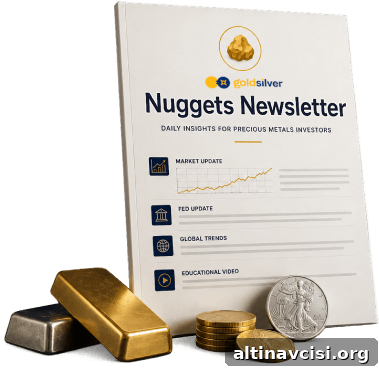
The Edge Every Investor Needs
Smarter precious metals investing starts here. The Nuggets Newsletter delivers concise market insights, Fed updates, macro trends, and educational content to help you stay informed.
What the Iran War Means for Oil, Gold, and the Fed
Timing has amplified the economic impact. The most recent official revisions show the U.S. economy was already slowing before the latest conflict escalated. Fourth-quarter GDP growth was revised down to 0.7% annualized, reflecting broad weakness across consumer spending, exports, and government outlays. At the same time, core inflation remains elevated near 2.7%.
With oil now approaching $100 per barrel, policymakers face a difficult trade-off. The Federal Reserve cannot responsibly cut rates into an energy-driven inflation surge. Yet continuing to tighten policy risks pushing a weakening economy into deeper contraction. That combination — slowing growth and rising prices — is the textbook definition of stagflation, a dangerous environment for policymakers and investors alike.
The World’s Most Dangerous Bottleneck
The Strait of Hormuz is narrow — about 21 nautical miles at its tightest — and it handles an outsized share of global seaborne energy flows. Before late February, roughly 138 vessels passed through on a typical day. In the current crisis, that number has fallen sharply.
To put the scale in perspective: around 20 million barrels per day — roughly a quarter of all seaborne oil trade in 2025 — transited the Strait. It also carried nearly 20% of global liquefied natural gas. There are few practical alternative routes for that gas, and rerouting or replacing those flows is neither quick nor simple.
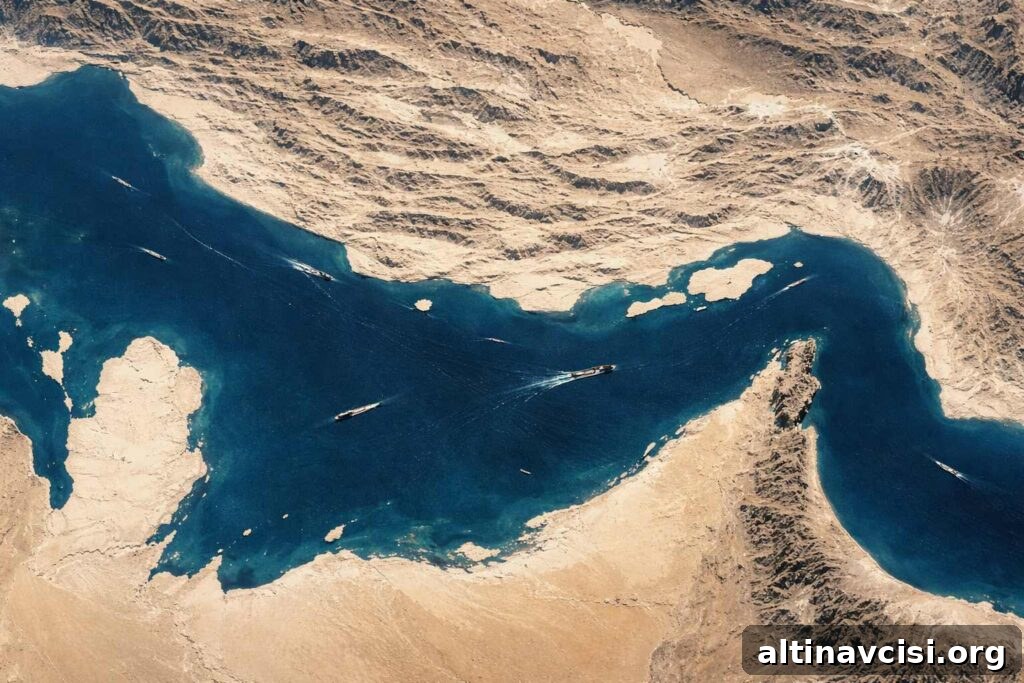
Emergency measures have been deployed, including a record strategic reserve release. Regional bypasses can absorb only a fraction of lost capacity: a primary alternate route might handle a few million barrels per day, while pre-crisis exports through the Strait were much larger. Practical constraints — insurance withdrawals, logistical limits, and operational bottlenecks — have prevented a full replacement of lost flows. In this context, oil-price volatility and its knock-on inflationary effects are likely to persist until shipping, insurance, and supply lines stabilize.
Blank Check for Iran War
U.S. leaders have signaled that fiscal cost will not be the primary constraint on military options. That public stance affects market expectations: if geopolitical aims are pursued regardless of cost, energy prices can remain elevated for longer, feeding inflation into consumer prices and business costs alike.
The fiscal picture is already strained. The U.S. was running significant deficits prior to the current escalation, and interest costs on federal debt have risen. Adding an open-ended military engagement increases fiscal pressure and risks longer-term currency and borrowing implications. Historically, prolonged military and fiscal commitments can contribute to currency weakness and higher inflation over time — conditions in which tangible assets such as gold and silver have often outperformed.
The Fed’s Impossible Math
Before February 28 the Fed’s path seemed clearer: a slowing economy, cooling inflation, and two rate cuts priced in for 2026. The Iran conflict and a fresh oil shock have complicated that outlook. The central bank now faces a rare combination: signs of economic weakness alongside a renewed inflation impulse driven by energy costs.
That creates two unattractive choices. Cutting rates risks embedding higher energy prices into broader inflation expectations; holding or raising rates risks deepening a slowdown. Recent data underscore the dilemma: Q4 GDP softened sharply from the prior quarter, and consumer sentiment measures have been pressured as gasoline and energy prices climb. For investors, this is a macro environment worth monitoring closely. Historically, periods of stagflation have been among the most favorable for precious metals.
Stay On Top of Gold & Silver Prices
Get important market alerts sent straight to your inbox.
You May Also Like
- Gold Price Rises as Iran War Escalates
- February 2026 CPI Report Shows Inflation Calm Before Oil Shock Hits
- Ray Dalio Says Gold Is Still “The Safest Money”
- The CPI Report and Gold: Why Inflation Data Moves the Metal
- Gold Price Today: Why This Week’s News May Be Bullish for Gold
Popular Topics
Picked from the archive
-
01
 Topics
Why the Silver Canadian Maple Leaf Is a Global Bullion Favorite
-
02
Topics
Fed Policy Dilemma Fuels Gold Rally Amid Sticky Inflation
-
03
Topics
Visa Adds PayPal USD, Global Dollar and New Blockchains
-
04
Topics
UBS Warns Investors: USD Unattractive After 10% Annual Drop
-
05
Topics
Gold Drops as Trade Tensions Ease; Tariffs Could Reverse Gains
-
06
Topics
How the Current Gold Rally Compares to Past Bull Markets
-
07
Topics
Gold Climbs on Trade War Jitters Before US Inflation Report
-
08
Topics
Incrementum Gold Compass: July 2025 Market Outlook