Gold & Silver Prices Today: Iran, Oil Fallout, $1.3B Bet
Daily News Nuggets | Today’s top stories for gold and silver investors
March 5th, 2026 | Brandon Sauerwein, Editor
Wall Street Just Made a $1.3 Billion Bet on Silver
Jane Street, one of the largest and most sophisticated trading firms on Wall Street, recently took a notably large position in silver. Regulatory filings indicate the firm built a roughly $1.3 billion stake in the iShares Silver Trust (SLV), expanding its exposure dramatically in a single quarter. Such a sizable move in a market that is relatively small and lightly traded deserves attention.
A trade of this magnitude does not automatically mean the firm is simply bullish on higher silver prices. Rather, it signals an expectation of greater price movement or rising volatility. In markets with limited liquidity, big institutional positions can themselves influence price direction, amplifying moves in either direction.
At the same time, fundamental demand drivers for silver are strengthening. Industrial usage—especially in solar panels, electronics, and other technology sectors—continues to grow, while geopolitical uncertainty adds a safe-haven component to investor interest. That combination can attract capital from multiple sources, increasing both demand and price sensitivity in the silver market.

The Iran Conflict Is Choking a Critical Gold Supply Route
The escalation of conflict involving Iran is affecting more than geopolitics; it is disrupting key logistics in the global gold trade. Airlines in the region have canceled flights over security concerns, interrupting air cargo routes that move physical bullion between trading centers. The most affected hub is Dubai, long a major transit point for precious metals.
Dubai plays a central role in the bullion supply chain, connecting gold mined in Africa and refined in Europe with large consumer markets in Asia, particularly India and China. Industry estimates have, historically, placed a significant share of global bullion flows through the emirate each year. Because gold is typically moved by air for security and speed, flight disruptions can quickly create bottlenecks.
If these disruptions persist, analysts warn regional premiums could rise, physical availability could tighten, and the market could see another layer of short-term volatility. For investors and dealers who rely on predictable movement of physical metal, such logistic squeezes influence both pricing and risk management decisions.
Iran Tensions Send Oil Higher — and Inflation Fears With It
Rising tensions in the Middle East have pushed oil prices higher, as market participants weigh the potential for supply disruptions in a region that handles a large share of global seaborne oil shipments. The Strait of Hormuz, a critical chokepoint, is being monitored closely by traders and policymakers alike.
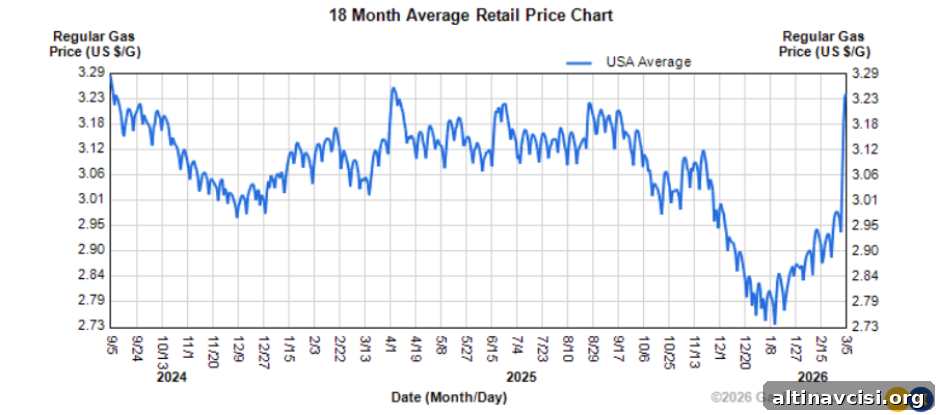
Higher energy costs are already showing up in retail fuel prices, reversing months-long declines in some markets. Energy price spikes tend to feed into broader inflation expectations, complicating the Federal Reserve’s decision-making on interest rates. Historically, a combination of higher inflation concerns and geopolitical risk has supported demand for gold as an inflation hedge and safe-haven asset.
Gold and Silver Dip — But the Pullback Doesn’t Change the Story
Despite these broader drivers, gold and silver saw modest intraday declines in early trading. As of mid-morning, reported prices showed a slight pullback for both metals. Short-term profit-taking, dollar strength, or position rotation often causes these temporary moves even when fundamentals remain intact.
The overarching narrative for precious metals has not shifted: geopolitical risk, rising energy costs, and persistent inflationary pressures continue to support demand. In unsettled markets, metals frequently trade with choppy, short-term fluctuations atop longer-term upward trends. Current weakness looks like one of those normal retracements within a larger context of heightened demand and potential volatility.
Layoffs Are Slowing — But the Labor Market Isn’t Out of the Woods
Recent data show a decline in announced layoffs, offering some relief after a period of elevated job-cut activity. Outplacement and research firms have reported fewer planned job reductions compared with earlier in the year, suggesting some companies may be pausing after aggressive cost-cutting efforts.
Much of the prior wave of layoffs occurred in the technology sector, where firms reduced staffing after rapid expansion during boom years. Even with the recent slowdown in announcements, planned cuts remain higher than a year ago in several sectors, pointing to a labor market that is cooling rather than contracting sharply.
That gradual cooling matters for inflation dynamics. Softer hiring and reduced wage pressure could ease inflation over time, which in turn influences central bank policy. For precious metals investors, the interplay between labor market trends, inflation, and interest-rate expectations remains an important part of the macro picture.
You May Also Like
- Gold and Silver Are Climbing While the World Watches Hormuz
- Hormuz, the Fed, and the Battle for Safe-Haven Status
- Gold Prices Surge on Middle East Tensions
- Gold Above $5,200, Silver Above $90 — as Inflation Refuses to Fade
- Gold Price Rally Nears Record Streak as Tariffs Return
Popular Topics
Picked from the archive
-
01
 Topics
June CPI Jumps 2.7 Percent as Tariffs Push Up Consumer Prices
-
02
Topics
Gold Prices Rise as Dollar Slips Ahead of Fed Rate Decision
-
03
Topics
Gold Purity Guide for Investors: Karats, Fineness and Value
-
04
Topics
Gold Prices Surge as Middle East Tensions Escalate
-
05
Topics
Russia Taps $1B Chinese Gold Market Amid Geopolitical Shift
-
06
Topics
Gold’s Bull Run: Fed Rate Cuts and China Buying Drive $5K Target
-
07
Topics
Treasury Yields Jump After May Inflation Tops Estimates at 2.7%
-
08
Topics
5 Factors That Drive Gold Spot Prices