How COMEX Sets Gold Prices and Moves Global Markets
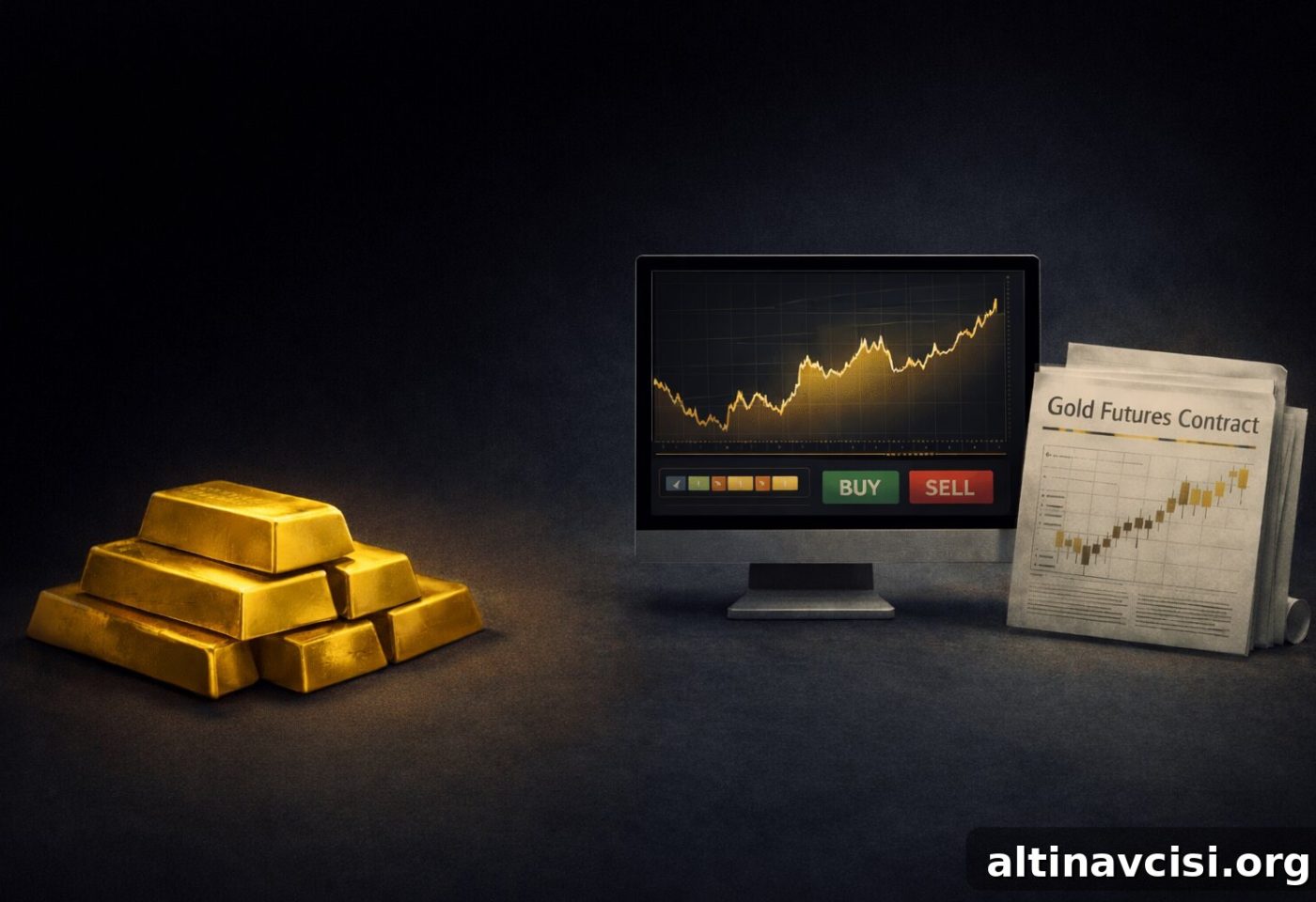
If you follow the gold market, you have likely wondered: what is COMEX and why does it seem to drive gold prices every day? COMEX is central to short-term gold pricing, and understanding it helps explain volatility, sudden price swings, and why futures prices sometimes diverge from physical market conditions.
Many investors who own physical bullion don’t realize that the global gold price is set mainly by activity on a futures exchange in New York. COMEX, the Commodity Exchange, is the primary arena where futures contracts for gold, silver and other metals trade, and for many market participants it functions as the primary price-discovery mechanism for gold.
What Is COMEX?
COMEX is a division of a major derivatives exchange based in New York that lists standardized futures contracts for precious and industrial metals. As the most active marketplace for precious-metals futures, COMEX plays a key role in establishing the spot price quoted around the world. When you hear a headline such as “gold is trading at $5,000 per ounce,” that quote usually reflects pricing tied to the most active COMEX gold futures contract rather than a retail bullion sale.
The Financial System Isn’t Safer — And You Know It
As risks mount, see why gold and silver are projected to keep shining in 2026 and beyond.
How Gold Futures Pricing Works
A gold futures contract is a standardized agreement to buy or sell a set quantity of gold—commonly 100 troy ounces—at a specified price on a future date. Futures are leveraged instruments: traders post margin, a fraction of the full contract value, to control exposure without paying the full amount up front.
For example, a trader who buys a December gold futures contract at $5,000 per ounce is effectively trading a contract representing 100 ounces, or $500,000 of gold on paper. The trader typically does not pay the full $500,000; instead they post margin to control the position. Most participants never take physical delivery. They buy and sell contracts to speculate on price movement or to hedge exposure.
If the futures price rises to $5,200, the trader may sell the contract before expiration and realize a $200-per-ounce gain, or $20,000 on a 100-ounce contract. Conversely, if the price falls, the trader incurs a loss. In practice, most positions are closed out or financially settled before contracts reach delivery.
Why Most Contracts Never Result in Delivery
Although COMEX contracts represent large amounts of gold on paper, only a small fraction of outstanding contracts are fulfilled by physical delivery. In typical months, a very small percentage of contracts go to delivery; the majority are closed out, rolled into later months, or paid out in cash.
That’s because the dominant participants are institutional traders—hedge funds, banks, algorithmic trading firms and other financial players—who seek price exposure, leverage or hedging rather than ownership of physical metal. This results in a large “paper gold” market where the notional amount represented by open contracts can exceed the metal available for immediate delivery.
Why Physical Demand Can Diverge from Paper Prices
At times, retail coin dealers report shortages, premiums on physical bars rise, and central banks increase purchases, but futures prices can still stall or decline. Short-term pricing is often driven by flows and positioning in the futures market, not by retail sales alone.
Large institutional selling on COMEX can push futures prices down quickly even when physical demand beneath the surface is strong. Conversely, heavy speculative buying can lift futures prices while physical demand is muted. These temporary disconnects explain why some long-term investors prefer to own physical metal outright to avoid daily paper-driven volatility.
Does COMEX Control Gold Prices?
COMEX does not centrally control gold prices, but it is the primary marketplace where buyers and sellers meet and establish price through competitive bids and offers. Because futures trading volume can be many times larger than annual mine production, financial flows frequently outweigh physical fundamentals in the near term. Over longer horizons, however, monetary and supply-demand fundamentals tend to reassert themselves.
Key drivers that matter over time include inflation, real interest rates, currency movements, central bank accumulation and geopolitical risk. Day-to-day moves, however, are often dominated by futures positioning and liquidity.
Why COMEX Matters to Physical Gold Investors
Even if you hold physical gold as a hedge, COMEX matters because the futures market largely determines the quoted spot price used to value holdings. Futures activity influences short-term volatility, shapes investor sentiment and drives media narratives—factors that affect when buyers and sellers transact in the physical market.
Understanding COMEX helps investors respond more calmly during sharp swings, distinguish transient “paper” noise from structural demand, and maintain conviction in long-term allocation decisions.
The Bigger Picture: Paper Markets vs. Monetary Reality
Gold has been a monetary anchor for millennia. Modern futures markets are financial overlays that provide liquidity, risk management and transparent price discovery. When confidence in financial systems is high, paper markets tend to dominate. When confidence weakens—through inflation, currency instability or geopolitical stress—physical demand for gold often becomes more prominent.
Experienced investors monitor indicators beyond daily prices, such as central bank purchases, real interest rates, sovereign debt trends, currency dynamics and actual delivery volumes on exchanges. Over the long run, these monetary fundamentals matter far more than short-term leverage and positioning.
Final Thoughts: Why Understanding COMEX Gives You an Edge
If preserving purchasing power matters to you, understanding how the gold price is set is essential. Knowing what COMEX is and how futures positioning influences short-term movements helps you stay rational during volatility, separate noise from long-term trends, avoid panic during paper-driven selloffs, and build conviction in your allocation strategy.
Gold isn’t just another asset; it is monetary insurance. The more you understand the mechanics behind pricing—the role of COMEX, the difference between paper and physical markets, and the monetary forces that drive value—the better prepared you will be to navigate market swings and position your portfolio for the long term.
People Also Ask
What is COMEX and how does it affect gold prices?
COMEX is the primary futures exchange for trading gold contracts, and it plays a central role in setting the global price for gold. Short-term moves are often driven by futures trading activity rather than retail coin or bar sales, which helps explain volatility.
Does COMEX control the price of gold?
COMEX does not centrally control prices, but as the main venue for futures trading it is where price is discovered through bids and offers. Due to high trading volumes, financial flows on the exchange can influence near-term prices more than immediate physical supply and demand.
Why doesn’t most COMEX gold trading result in physical delivery?
Most futures traders are speculators or hedgers who close positions before expiration, so only a small share of contracts result in physical delivery. This structure supports liquidity and risk transfer rather than physical settlement at scale.
Why can gold prices fall even when physical demand is strong?
Futures market selling can push prices down quickly even if retail demand and physical premiums are rising. Over time, however, real supply-and-demand fundamentals tend to influence price direction more strongly than short-term paper flows.
What is the difference between paper gold and physical gold?
“Paper gold” refers to financial instruments—like futures contracts—that reflect gold prices without requiring ownership of metal. Physical gold involves direct ownership of coins or bars and is preferred by many long-term investors as a hedge against systemic risks.
You May Also Like
- What Are Margin Requirements? Why margin hikes can trigger volatility in metals markets
- How margin changes can increase gold and silver price volatility
- Revisiting silver price forecasts and lessons from market cycles
- Why precious metals outperformed other asset classes in recent years and what that may mean going forward
- Investment themes for precious metals in the current macro environment
Popular Topics
Picked from the archive
-
01
 Topics
Gold Price Could Reach USD 5,000 by 2026: Institutional Forecast
-
02
Topics
Silver Squeeze Pushes Silver Prices Above $51
-
03
Topics
Gold Rises as Bitcoin Slips and Bubble Fears Grow
-
04
Topics
Bessent Urges 1.5% Rate Cut, Boosting Gold Prices
-
05
Topics
Tariff Deadline Fears Push Gold Prices Up as Other Metals Slide
-
06
Topics
Gold Fields Urges Major Miners to Boost Gold Exploration
-
07
Topics
Tech Giants Drive 90% of Earnings Growth Despite Trade War Fears
-
08
Topics
Brazil Threatens Retaliation After Trump Imposes 50% Tariff