1 Trillion Added to Debt: How It Could Move Gold Prices
Daily News Nuggets | Today’s top stories for gold and silver investors
February 19th, 2026 | Brandon Sauerwein, Editor
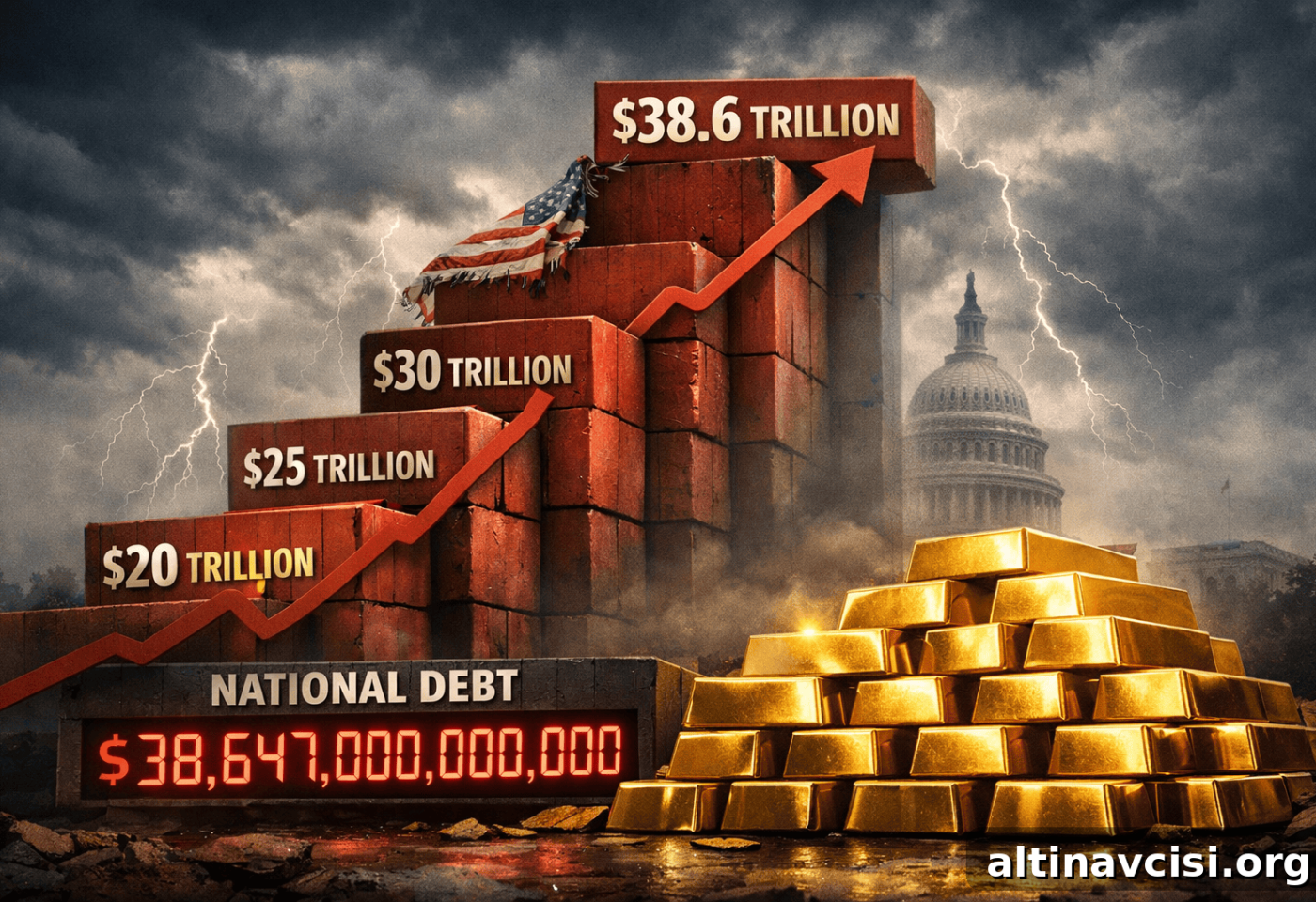
Debt Tops $38.6 Trillion as $1T Added This Fiscal Year
National debt and gold prices have been moving in the same direction: higher. The Joint Economic Committee reported that more than $1 trillion was added to the federal debt this fiscal year, bringing the total to $38.647 trillion. That jump adds pressure to markets and amplifies concerns about long-term fiscal sustainability.
30 Years of Borrowing — With No End in Sight
Interest costs are rising rapidly. In the first four months of the fiscal year alone, interest payments reached $346 billion — roughly 14% of federal spending for that period. When interest paid to government trust funds is included, servicing the debt has become the second-largest federal expense and appears poised to overtake other major budget items.
The troubling dynamic is compounding: borrowing is being used to cover interest on existing debt while new borrowing continues to fund operations. As Chairman David Schweikert noted, this pattern is difficult to justify as sustainable. Higher interest obligations crowd out other priorities like infrastructure, defense, and social programs, constraining the government’s ability to invest in long-term growth.
Fed Signals Surprise Shift Toward Easing
The Federal Reserve has signaled a notable change in tone. Multiple officials have recently indicated greater openness to cutting interest rates in the months ahead, a shift from the “higher for longer” messaging that characterized policy over the past two years. No immediate cuts were announced, but markets have taken notice.
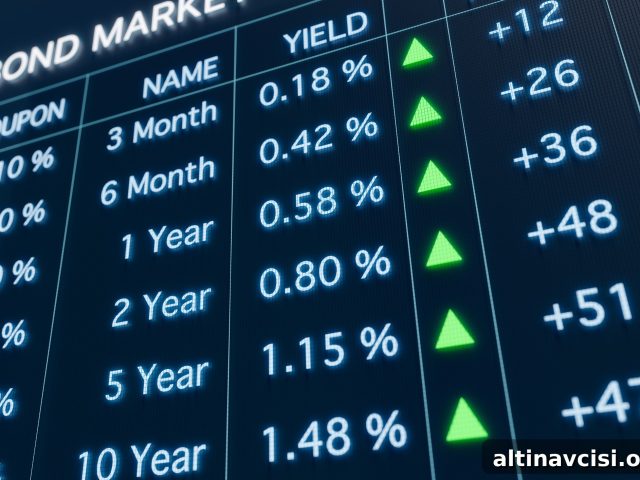
Policymakers cited mixed progress on inflation and signs of softening in the labor market and consumer demand, prompting renewed discussion of a policy recalibration. Bond markets responded quickly: Treasury yields fell as traders priced in a higher probability of easing later this year, and equities rallied on the expectation of lower rates, though some investors worry the move could be premature.
The larger takeaway: the Fed appears to be balancing price stability with the risk of slowing growth. That makes the policy outlook more data-dependent and potentially more volatile for both bond and equity markets, and it changes the risk-reward profile for precious metals.

The Edge Every Investor Needs
Smarter precious metals investing starts here. The Nuggets Newsletter delivers market insights, Fed updates, global trends, and educational resources for gold and silver investors.
Inflation “Slower and More Uneven” — Fed Minutes Raise the Bar for Cuts
The minutes from the Fed’s January meeting painted a more cautious picture. Most officials signaled that progress toward the 2% inflation target could be slower and more uneven than expected, and they warned that the risk of inflation running persistently above target remained meaningful.
Markets reacted: Treasury yields moved higher after the minutes were released. The 10-year yield rose to about 4.087% and the 2-year note reached its highest level in a week as traders reduced the odds of near-term rate cuts. Importantly, the minutes reintroduced two-sided risk language — officials acknowledged that rate increases could still be warranted if inflation failed to moderate.
For precious metals investors, sticky inflation is often supportive of gold. If the Fed is constrained — reluctant to ease for fear of reigniting inflation, yet concerned about growth — gold’s role as an inflation hedge and safe-haven asset can become more attractive.
Middle East Tensions Inject Premium Into Oil Prices
Oil prices staged a sharp advance this week. Brent crude moved above $71 per barrel while WTI traded above $65 — marking the largest single-day jump since late 2025. The move reflected rising concerns about a potential U.S. military operation against Iran and growing military posturing in the region.
The Strait of Hormuz remains a key vulnerability. That chokepoint handles roughly one-fifth of global oil transit, so even the threat of disruption can quickly produce a geopolitical risk premium in oil markets. Traders tend to price in potential disruptions before facts are confirmed, and that rapid pricing response affects broader markets.
Geopolitical risk often increases demand for safe-haven assets. Historically, gold has tended to rise alongside oil in periods of heightened conflict risk, as investors seek stores of value amid uncertainty. Continued escalation in the Middle East could further support bullion prices.
Stay On Top of Gold & Silver Prices
Get important market alerts delivered to your inbox.
Rising Gold Prices Deliver Windfall for Major Miner
When bullion rallies, mining companies often see outsized improvements in profitability. Gold Fields, one of South Africa’s largest producers, reported that full-year profits more than doubled, driven largely by higher realized gold prices. Stronger prices expanded margins and boosted free cash flow despite rising costs for labor, energy, and capital projects.
This is a clear example of operating leverage: miners carry significant fixed costs, so a rise in commodity prices can translate into a much larger percentage increase in profit. That same leverage also works in reverse—when gold corrects, mining equities can fall more sharply than bullion itself, making them a higher-volatility complement to holding physical metal.
You May Also Like
- Gold Support Levels Firm as Washington Backs Minerals
- Gold Slips Below $5K as Jobs Revisions Rattle Markets
- Gold Near $5,000 as Fed Faces Sticky Inflation
- Markets Eye Friday’s CPI; Credit Card Debt Hits Record High
- Silver Volatile, Gold Resilient After January Jobs Surprise
Popular Topics
Picked from the archive
-
01
 Topics
Japan Election Promises and Tariff Fears Rattle Bond Market
-
02
Topics
Global Oil Prices Steady as Travel Demand Rises, Sanctions Loom
-
03
Topics
Gold Holds Above $5,000 as Hedge Funds Brace for Volatility
-
04
Topics
Why Central Banks Are Buying Gold Amid Market Turmoil
-
05
Topics
Gold Hits $4,000: Wake-Up Call for Markets and Policymakers
-
06
Topics
Oil Price Rebounds to $69 as US-EU Trade Deal Nears
-
07
Topics
Gold Prices Surge as Middle East Tensions Escalate
-
08
Topics
Rare Earth Metals Driving the Global Economy