Silver Rises 3% to $88 as Markets Shrug Off Risk
Daily News Nuggets | Today’s essential brief for gold and silver investors
January 13th, 2026
U.S. Inflation Holds Steady in December — Fed Likely to Maintain Patience
The latest U.S. Consumer Price Index showed a 0.3% rise in December and a 2.7% increase year over year, matching expectations and November’s pace. Core inflation, which excludes food and energy, also held steady. Taken together, these readings suggest inflation remains persistent but is not accelerating sharply.
For markets, this reinforces the view that the Federal Reserve will probably keep interest rates unchanged at its next meeting. Investors appear to see little urgency for additional tightening, while also not expecting rapid rate cuts in the near term. That “wait-and-see” stance is meaningful for asset allocation: when real yields stop climbing and inflation lingers, real assets often regain investor appeal.
Gold and other tangible assets typically perform well in this middle ground — where monetary policy is restrained but inflation pressures persist. That dynamic can support continued demand for precious metals as a hedge against policy uncertainty and slower-moving price increases.
Intensifying Political Pressure on the Fed Stokes Market Debate
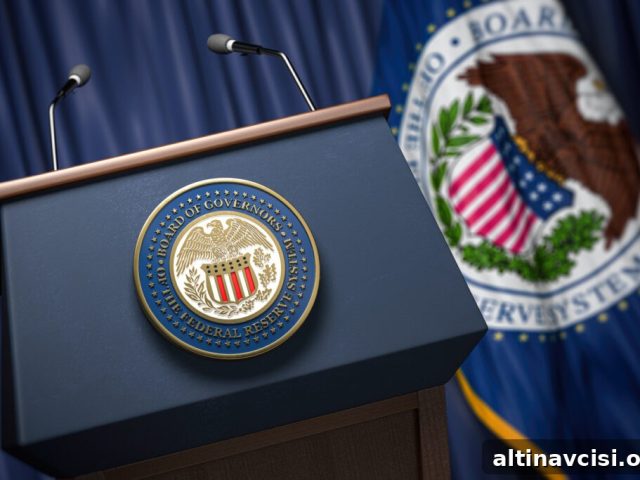
This week tensions escalated between the Trump administration and Federal Reserve Chair Jerome Powell after the Justice Department opened an inquiry related to Powell’s congressional testimony about renovations at a Fed building. Powell and several former Fed officials characterized the probe as political interference, and some lawmakers publicly criticized the move as a threat to central bank independence.
Markets watch developments like this closely because any perceived pressure on the Fed can alter expectations for inflation and interest-rate policy. Even the suggestion of political influence can dent confidence in monetary institutions, which in turn affects currency flows, bond yields, and risk asset pricing.
When confidence in institutions weakens, investors frequently look outside the financial system for protection. That environment has historically benefited gold, which often serves as a safe-haven and trust-preserving asset during periods of institutional strain.
Economist Sounds Alarm Over Fed Political Pressure
Several prominent economists have warned that increased political pressure on the Federal Reserve raises real economic risks. Their concern is straightforward: an independent central bank helps anchor inflation expectations. If that credibility is eroded, restoring trust becomes far more difficult and costly.
History shows that credibility losses rarely appear overnight. They build gradually and then surface abruptly in market prices, exchange rates, and capital flows. In such episodes, demand typically rises for inflation hedges and alternative stores of value, and precious metals often benefit from that shift in investor behavior.
Gold Pauses After Record Run — Silver Roars Ahead
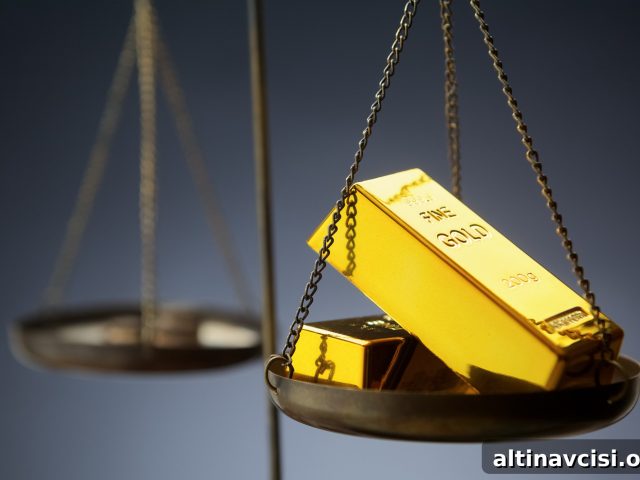
Gold eased slightly after touching fresh record highs above $4,600 an ounce, as some investors booked profits following several weeks of volatility tied to policy and geopolitical developments. Spot prices pulled back modestly and futures were mildly lower, a typical pattern after a sharp rally.
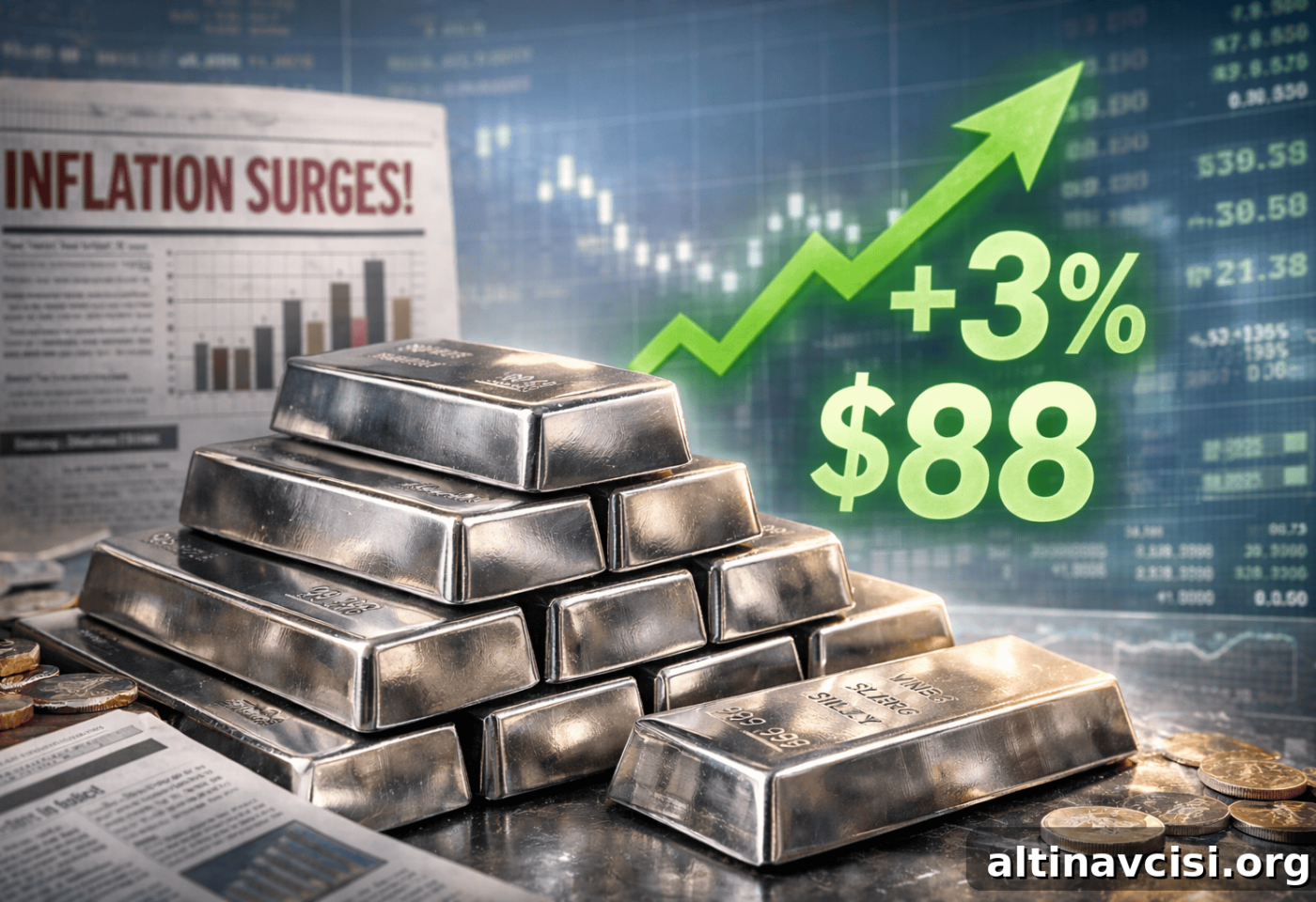
Silver, by contrast, continued to advance, rising more than 3% on the day and trading near $88 an ounce. Those levels surprised many market participants and reflect a combination of stronger industrial demand, tight supply, and the traditional tendency for silver to follow gold with greater volatility.
Short-term pullbacks like the one in gold often reflect portfolio positioning rather than a fundamental change in demand. Ongoing uncertainty about policy credibility and global risks keeps the underlying bid for precious metals intact. While gold consolidates, some investors are already scanning further out along the price curve, factoring in scenarios where continued uncertainty and constrained supply push prices higher over the medium term.
The Financial System Isn’t Safer — And You Know It
As risks rise, discover why gold and silver may continue to outperform in 2026 and beyond.
Stay On Top of Gold & Silver Prices
Receive timely market alerts and analysis in your inbox.
Live price widget unavailable in this view. Subscribe for regular updates and alerts.
Can Silver Hit Triple Digits?
Silver’s recent surge has reignited debate over whether the metal can reach $100 an ounce in this cycle. The bullish case rests on several pillars: sustained industrial demand from energy and electronics sectors, constrained mine supply, and the tendency for silver to follow gold’s momentum with amplified moves.
Silver occupies a unique dual role. It behaves as an industrial metal sensitive to economic activity while also acting as a monetary hedge when confidence in financial institutions wavers. If the macro backdrop stays uncertain — with persistent inflationary pressure, questions about central bank independence, or supply-side disruptions — silver’s mixed demand drivers could push prices substantially higher.
That said, silver is more volatile than gold. Large percentage gains can occur on relatively modest flows due to its smaller market size and concentrated supply chains. Investors considering exposure should weigh the metal’s upside potential against the higher price swings and liquidity considerations it can bring.
You May Also Like
- Gold and Silver Soar as Fed Independence Comes Under Fire
- Gold Rises as Jobs Slow and Global Growth Falters
- Silver Slips on Index Rebalancing as Jobs Data Looms
- Gold & Silver: Return Drivers, Not Just Crisis Hedges
- Gold and Silver Outlook: Fed Policy, Inflation, and Global Supply
Popular Topics
Picked from the archive
-
01
 Topics
Why U.S. Treasuries Are No Longer a Crisis Safe Haven
-
02
Topics
Moody’s: 50% of U.S. Industries Cutting Jobs Amid Recession Risk
-
03
Topics
Gold Price Nears $3,700 Ahead of Fed Meeting
-
04
Topics
Millions Could Soon Add Gold and Crypto to Retirement Accounts
-
05
Topics
Swiss Gold Traders Reject Swatch CEO Plan Against US Tariffs
-
06
Topics
Depression-Era Tariffs Keep 10-Year Treasury Yields High
-
07
Topics
Fed to Hold Interest Rates Despite Trump’s Calls for Cuts
-
08
Topics
Ray Dalio: Trump’s Policies Could Spark 1930s-Style Collapse